US and Iran Agree to Temporary Ceasefire Ahead of Strategic Strait Negotiations
Washington and Tehran commit to halting attacks until June 30 as key talks on the strategic Strait of Hormuz shipping routes are scheduled.
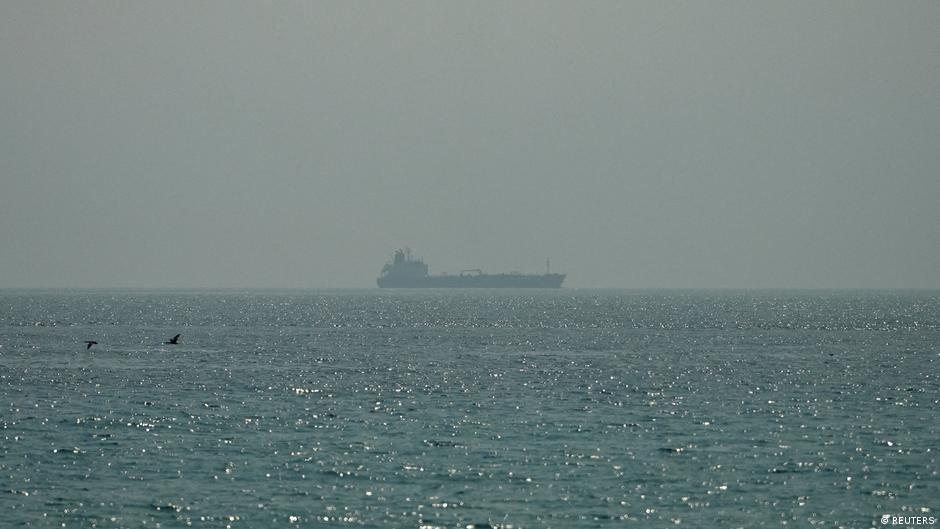
Following a recent exchange of military strikes, the United States and Iran have agreed to suspend attacks against each other at least until June 30. This truce precedes a crucial diplomatic meeting in Qatar focused on restoring free navigation through the Strait of Hormuz, a vital maritime corridor for global oil shipments.
Background and Strategic Context
According to sources in Washington, both sides have confirmed their intention to hold talks on June 30 in Qatar aimed at reviving unrestricted shipping in the Strait of Hormuz. Presently, the strait remains only partially open, with Iran insisting that commercial vessels coordinate their routes with its military command.
Tehran has so far withheld permission for a comprehensive demining of the strait. Reports indicate that shipping is currently funneled through just two narrow lanes. Despite U.S. President Donald Trump's earlier declarations of a fully open passage, the volume of tanker traffic remains less than half of pre-conflict levels established before the onset of U.S. and Israeli hostilities towards Iran.
On June 26-27, despite the declared ceasefire, a significant exchange of fire occurred between both nations. The U.S. launched strikes targeting several Iranian coastal bases after Iran attacked two commercial vessels navigating the strait over two consecutive days. Tehran justified its actions by claiming that the vessels deviated from routes agreed upon with the Islamic Revolutionary Guard Corps (IRGC). Iran, in turn, viewed the American military responses as attempts to undermine its control over this strategic waterway.
Iranian forces retaliated by striking U.S. military facilities in Kuwait and Bahrain. According to reports, the Bahrain military base suffered substantial damage during the exchange.
"Despite ongoing disruptions, both parties remain committed to the upcoming June 30 talks aimed at reestablishing free navigation through this critical maritime chokepoint," a diplomatic source noted.
Although an official ceasefire has been in place since April 8, both the U.S. and Iran have repeatedly violated it. The repeated flare-ups underscore the fragile nature of the current détente.
Implications for Global Energy Markets and Geopolitical Stability
Markets have closely monitored the anticipated reopening of the Strait of Hormuz, a key artery for oil exports from Persian Gulf nations to international markets. Following the announcement on June 17 of a "memorandum of understanding" between Washington and Tehran, oil futures prices began to decline.
On June 24, Brent crude prices dropped to $73.22 per barrel—marking the lowest level since February 27, just before the escalation of U.S. and Israeli strikes on Iran. West Texas Intermediate (WTI) crude traded at $69.87 per barrel on the same day.
However, this ceasefire is provisional rather than permanent. The memorandum stipulates a 60-day window for the parties to negotiate multiple issues, including Iran's nuclear program, the withdrawal of U.S. troops from neighboring countries, and whether Tehran will levy fees on vessels transiting the Strait of Hormuz. No progress updates have been provided since the memorandum's signing.
For corporate strategists and energy sector stakeholders, the evolving dynamics in the Persian Gulf underscore the volatility in supply routes and the critical importance of diplomatic engagement in securing maritime trade corridors.