Polish Opposition Leader Calls to Block Ukraine’s EU Accession Amid Diplomatic Tensions
Jarosław Kaczyński urges Warsaw to halt Ukraine’s EU membership talks, citing deteriorating bilateral relations and domestic political strategy.
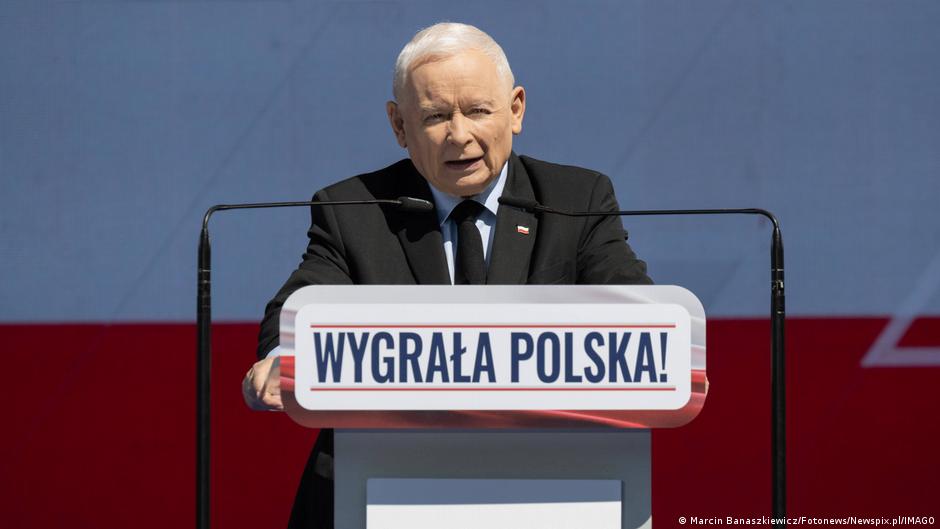
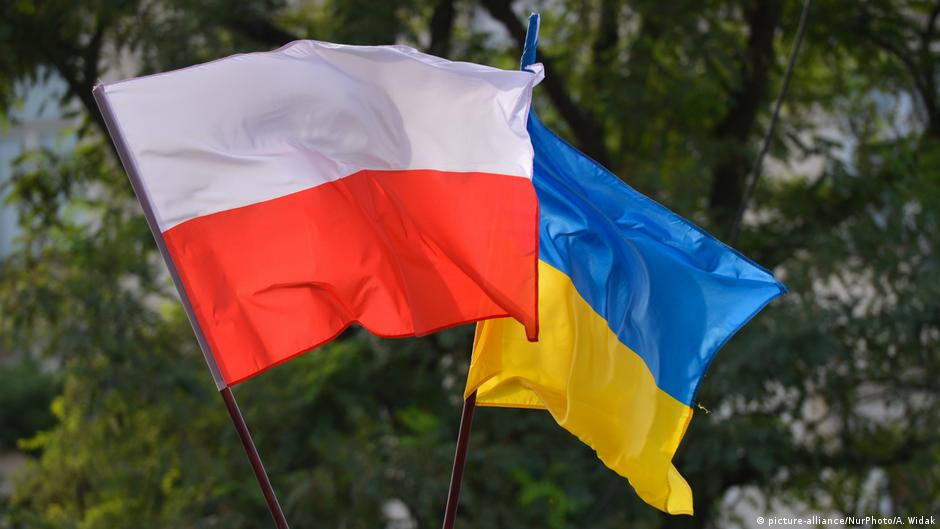
Jarosław Kaczyński, leader of Poland's opposition national-conservative Law and Justice party (PiS), has publicly called on the Polish government to block negotiations on Ukraine’s accession to the European Union. This demand reflects escalating tensions between Warsaw and Kyiv and highlights the intersection of diplomatic disputes with domestic political calculations ahead of Poland’s 2027 parliamentary elections.
Political and Diplomatic Context
On June 27, Kaczyński articulated his position, accusing Ukraine of exacerbating conflicts with Poland. Notably, he announced his intention to return a medal awarded by Ukraine, emphasizing that his grievance is not directed toward the Ukrainian people but rather their political elite.
"The conflict is less about Ukrainians themselves and more about the Ukrainian elite’s actions," Kaczyński stated, underscoring his criticism of Kyiv’s recent decisions.
Kaczyński’s rhetoric stands in stark contrast to the current Polish government led by Prime Minister Donald Tusk. Just days earlier, on June 25, Tusk inaugurated the Ukraine Recovery Conference in Gdańsk, a two-day event culminating in 160 agreements worth over €10 billion aimed at supporting Ukraine’s reconstruction. This initiative signals Warsaw’s commitment to fostering Ukraine’s integration into European frameworks despite ongoing diplomatic friction.
The discord has intensified following Ukrainian President Volodymyr Zelensky’s controversial decision to name a military unit after the Ukrainian Insurgent Army (UPA), a group viewed very differently in Polish and Ukrainian historical narratives. In Poland, UPA is primarily associated with the 1943-1944 Volhynian massacre, while in Ukraine it is seen as a symbol of the struggle for independence.
In response to this decision, Polish President Karol Nawrocki revoked Zelensky’s Order of the White Eagle, Poland’s highest honor. This move prompted several senior Ukrainian officials, including the head of the Presidential Office Kyrylo Budanov and Foreign Minister Andrii Sybiha, to renounce their Polish state awards in protest. Additionally, Zelensky did not attend the Gdańsk conference, although he was originally expected to lead the Ukrainian delegation, further signaling the diplomatic chill.
Domestic Political Considerations and Strategic Implications
Financial Times analysis suggests that Kaczyński’s hardline stance is strategically designed to consolidate support among key domestic constituencies, particularly Polish farmers concerned about Ukrainian agricultural imports and other citizens uneasy about the economic burden of hosting Ukrainian refugees.
With parliamentary elections scheduled for October 2027, PiS appears to be positioning itself as the defender of national interests amidst growing public apprehension over Ukraine’s EU integration and its implications for Poland’s economy and society.
This development underscores the complexities facing the European Union as it navigates enlargement policies amid internal member state disagreements and geopolitical tensions linked to the ongoing conflict in Ukraine.
For corporate and economic stakeholders, the evolving Polish stance could introduce uncertainties into trade relations and cross-border cooperation, potentially affecting investment and supply chains between Poland, Ukraine, and the broader EU market.