Russian Ballistic Missile Attack on Kyiv Causes Casualties and Fires Amid Ongoing Conflict
Russian forces launched a ballistic missile strike on Kyiv overnight, resulting in injuries and multiple fires, while also targeting other Ukrainian regions with drones and missiles.
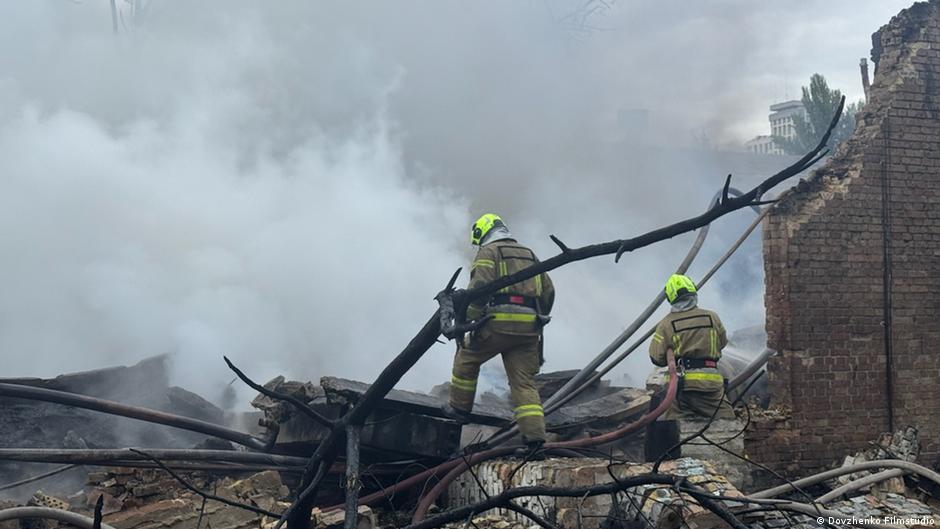
In a significant escalation of military actions, Russian forces launched a ballistic missile attack on Ukraine's capital, Kyiv, during the night of June 28. The strike caused injuries to two civilians and ignited several fires across the city, signaling increased hostilities amid the ongoing conflict between the two countries.
Strategic Implications of the Attack
The attack commenced with Ukrainian Air Forces issuing two warnings about incoming ballistic missiles targeting Kyiv, first around 02:00 and again near 02:30 local time. A citywide air raid alert was promptly declared, highlighting the severity and immediacy of the threat.
“Fires have broken out near residential buildings, a car service station, and a non-residential structure in the Darnytskyi district,” reported Kyiv’s military administration head Timur Tkachenko, indicating the widespread nature of the damage.
At approximately 02:47, official reports confirmed one individual injured in Kyiv’s Darnytskyi district. Multiple fires simultaneously broke out, including near residential areas and commercial properties. By 05:26, authorities updated the number of injured to two, underscoring the human toll of the assault.
The air raid sirens were lifted by 03:11 but were reactivated briefly at 05:10 before being canceled once more, reflecting ongoing concerns about further missile threats.
Wider Operational Context
Simultaneously with the Kyiv missile barrage, Ukrainian Air Forces reported multiple launches of drones, rockets, and guided aerial bombs targeting key strategic regions across Ukraine. These included the cities and oblasts of Kharkiv, Dnipro, Sumy, Zaporizhzhia, Donetsk, and Dnipropetrovsk, among others.
Many of these areas declared air raid alerts, although details on damage or casualties remain unclear. The broad geographic scope of these attacks suggests a coordinated effort by Russian forces to stretch Ukrainian defenses and disrupt critical infrastructure and military capabilities.
Business and Strategic Analysis
From a corporate and strategic perspective, this escalation presents multiple challenges and uncertainties for businesses operating in or connected to Ukraine. The increased missile activity, particularly targeting urban centers, raises significant risks for infrastructure stability, supply chains, and workforce safety.
Companies with assets or operations in Kyiv and other affected regions may need to reassess their risk management strategies, insurance coverages, and contingency plans. The unpredictability of further military actions could also exacerbate disruptions in logistics and trade flows, especially given Ukraine’s role as a key transit corridor and agricultural exporter.
Moreover, the attacks highlight the complex competitive landscape in Eastern Europe, where geopolitical tensions directly impact commercial environments. Investors and multinational corporations will likely monitor these developments closely, balancing potential opportunities against heightened operational risks.
In summary, the missile strike on Kyiv and simultaneous assaults on other Ukrainian regions underscore the volatile security environment and its ramifications for economic stability and corporate strategy. Ongoing developments will be critical for businesses to track as they navigate the evolving conflict dynamics.