Russia Quadruples Aviation Fuel Imports from Belarus Amid Domestic Production Challenges
Significant rise in Belarusian aviation kerosene imports reflects Russia's declining domestic fuel production and strategic supply adjustments.
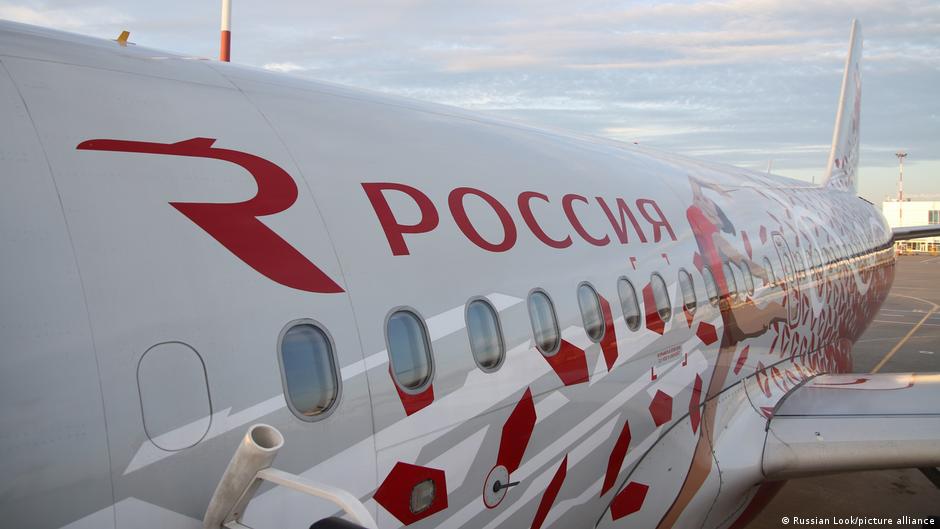
In May 2026, Russia imported 5,170 tonnes of aviation kerosene from Belarus—nearly four times the volume imported in the same period the previous year. Furthermore, in the first ten days of June, Russia imported an additional 2,600 tonnes of aviation fuel from its neighbor. This notable increase signals strategic shifts in Russia's aviation fuel supply chain amid domestic production setbacks.
Declining Domestic Production and Strategic Import Reliance
The surge in imports correlates directly with decreasing domestic fuel output. Official Russian sources have not disclosed current aviation fuel production figures; however, estimates from the Center for Price Indexes (CPI) suggest that in 2025, Russia produced approximately 11.4 million tonnes of aviation kerosene. Of this volume, 1.4 million tonnes originated from the Moscow Oil Refinery in Kapotnya, which ceased operations mid-June following a drone attack. According to Reuters, the refinery is unlikely to resume production before winter, exacerbating supply constraints.
Given these disruptions, discussions are underway regarding the import of JET A-1 aviation fuel through maritime ports. This imported fuel would potentially be blended with domestically produced variants to stabilize supply, as reported by The Bell.
"The rise in aviation fuel imports from Belarus is directly linked to reduced domestic production capacities caused by refinery outages and logistical challenges," industry analysts note.
Since June 1, Russia has instituted an unprecedented ban on aviation kerosene exports, effective until November 30, to conserve domestic supply. By mid-June, Russian airports began notifying operators about fuel refueling restrictions, reflecting tightening availability.
Broader Fuel Supply Disruptions and Geopolitical Impact
Beyond aviation fuels, Russia faces widespread fuel distribution challenges. Over 30 regions have imposed restrictions on automotive fuel sales, according to RBC. Supply interruptions initially surfaced in annexed Crimea following Ukrainian military strikes targeting Russian logistics on occupied territories. These disruptions have cascaded into other regions amid continued Ukrainian air attacks on Russian oil refineries.
Reuters reports a 25% year-on-year decline in gasoline production by the end of June. In response, Russia has requested Kazakhstan to supply 50,000 tonnes of gasoline, highlighting growing dependence on external sources to mitigate domestic shortfalls.
This complex interplay of production setbacks, import reliance, and strategic export bans underscores the evolving competitive landscape of Russia's energy sector amidst geopolitical tensions. The increased imports from Belarus not only reinforce regional cooperation but also illustrate Russia's pragmatic approach to sustaining critical fuel supplies under constrained conditions.