Finland Repeals Ban on Nuclear Weapons Import and Storage, Shifting Defense Strategy
Finnish President approves amendments lifting prohibition on nuclear arms on Finnish soil, effective July 1, reinforcing NATO alignment amid regional tensions.
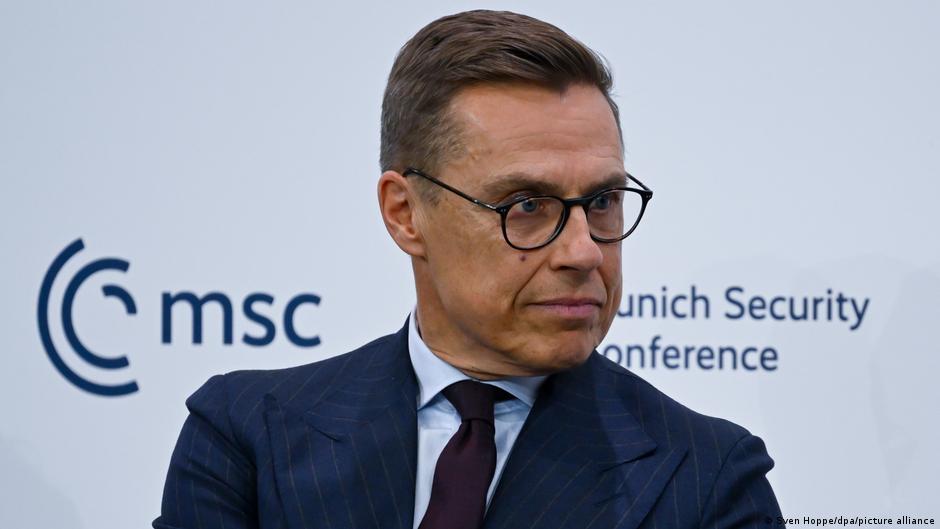
On June 26, Finnish President Alexander Stubb signed amendments to the Atomic Energy Act, removing the prohibition on the import and placement of nuclear weapons within Finland's territory. These legislative changes, published on the Finnish Parliament’s website, will come into force on July 1.
This decision marks a significant strategic recalibration for Finland’s defense policy, coinciding with its recent accession to NATO and heightened security concerns in the Baltic region. The amendments were approved by the Finnish Parliament on March 17 with a vote of 125 in favor and 61 against.
Strategic Implications for Finland’s Defense and NATO Integration
Minister of Defense Antti Häkkänen described the reform as "historic," asserting it strengthens both Finland’s security and that of the entire NATO alliance. President Stubb emphasized that Finland does not intend to deploy nuclear weapons on its soil during peacetime but highlighted the role of nuclear deterrence as a crucial factor in ensuring these weapons are never used.
"This is about nuclear deterrence—a deterrent factor designed to guarantee that nuclear weapons will never have to be employed," President Stubb stated.
The legislative shift follows Finland’s announcement to join NATO in May 2022, a move motivated by Russia's full-scale military invasion of Ukraine. Finland shares a lengthy border of over 1,300 kilometers with Russia, and the evolving security landscape has driven Helsinki’s strategic decisions, including the withdrawal from the Ottawa Convention on anti-personnel mines in January 2025.
By lifting the ban on nuclear weapons, Finland aligns its legal framework with NATO’s collective defense policies, potentially facilitating deeper military integration within the alliance. The government frames this as a preventative measure to deter aggression rather than an immediate step toward nuclear armament.
Managing Russian Relations and Regional Security Risks
The Kremlin warned in March against any placement of nuclear arms on Finnish territory, threatening "retaliatory measures." Responding to these threats, Häkkänen stated Helsinki is fully prepared for Moscow’s reaction and believes the legislative changes reduce the risk of Finland becoming a target of Russian military activity.
President Stubb has also called for Europe to engage directly with Russia, advocating for dialogue as necessary for regional stability. Yet, Finland’s recent defense policy adjustments underscore an acute awareness of the aggressive posture from its eastern neighbor, which is not a party to several international arms control treaties and has deployed landmines extensively.
Finland’s policy shifts reflect a broader trend among Nordic and Baltic states to bolster defense capabilities and legal frameworks in response to increased geopolitical risks. The repeal of the nuclear weapons ban could influence Finland’s defense industry partnerships, military procurement strategies, and regional security alliances moving forward.