German Authorities Grant Asylum to Russian Anti-War Activist After Prolonged Legal Battle
Ilya Shkolny, a Russian anti-war activist, receives asylum in Germany following three years of legal challenges and initial deportation refusals.
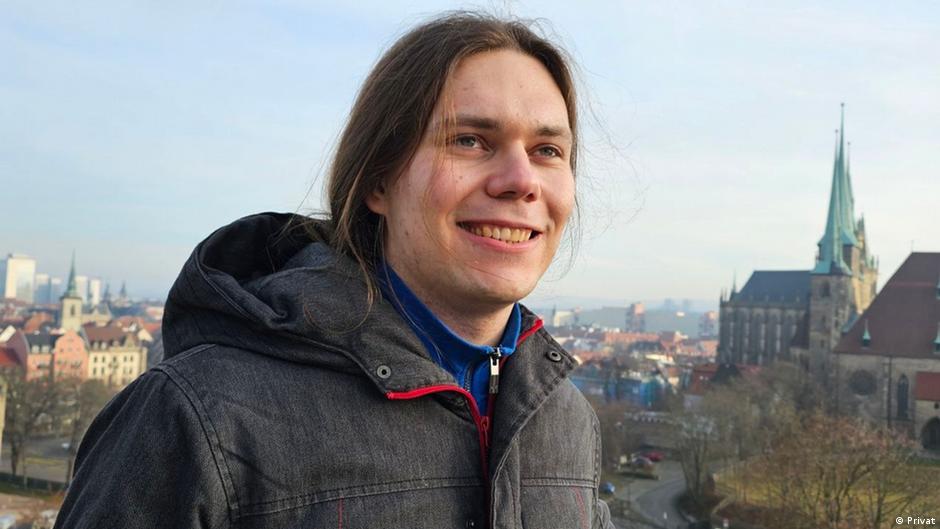
German authorities have reversed their earlier decisions and granted asylum to Russian anti-war activist Ilya Shkolny, who narrowly avoided deportation in early 2026. Shkolny's case, marked by multiple legal refusals and significant public support, underscores the complex intersection of political activism and immigration policy in Europe amid the ongoing conflict in Ukraine.
Background and Initial Challenges
Ilya Shkolny's struggle for asylum in Germany began in 2023 after he arrived on a 90-day visa designated for binational couples. Previously, Shkolny was an active volunteer in Alexei Navalny's campaigns between 2017 and 2018, participated in the "Smart Voting" initiative in 2021, and acted as an election observer for the "Golos" movement in Russia. His political engagement extended to membership in the Libertarian Party, including participation in its Moscow leadership committee.
Concerned about returning to Russia due to the full-scale invasion of Ukraine and potential political persecution, Shkolny sought asylum as a protective measure. Despite these concerns and holding a summons for military service in Russia, the Federal Office for Migration and Refugees (BAMF) initially rejected his applications twice, citing insufficient threat from conscription and lack of substantial political risk.
"The threat of conscription alone was deemed insufficient for asylum, and the political risks related to previous activism were considered not serious enough," noted the initial BAMF assessments.
Legal Appeals and Community Support
Following the two refusals, Shkolny pursued legal action, including urgent petitions to suspend deportation orders, but faced continued denials. His application for residency based on marriage to his German fiancée was also rejected, with German authorities questioning the authenticity of the marriage due to the couple living separately and reiterating the assessment that Shkolny could safely return to Russia to obtain the necessary visa for legal residency.
Throughout this period, Shkolny received considerable support from human rights organizations and academic communities, including faculty and students from the University of Bayreuth. Several members of the Bundestag intervened by sending letters to Germany's Ministry of the Interior, urging closer scrutiny of the case. An online petition launched in March 2026 garnered nearly 2,500 signatures advocating against Shkolny's deportation and for granting him legal residency rights.
Strategic Implications and Broader Context
Shkolny's protracted asylum case highlights the challenges European governments face in balancing immigration enforcement with humanitarian obligations amid geopolitical tensions. His activism against the Russian military actions in Ukraine and his political engagement present a scenario where political asylum claims intersect with broader debates on asylum eligibility criteria, especially concerning conscription and political persecution.
This case also reflects the evolving legal interpretations within German institutions, possibly influenced by increased awareness of repression in Russia following new legislative measures and harsher penalties for dissent.
German authorities' eventual decision to grant asylum not only secures Shkolny's legal status but signals a potential shift in how political activists from Russia are assessed in asylum proceedings. For corporations and organizations involved in migration, legal services, and international human rights advocacy, Shkolny's case serves as a critical study of the interplay between political risk, legal strategy, and public advocacy in shaping immigration outcomes.