EU Faces Internal Disagreement on Entry Ban for Russian Combatants Amid Sanctions Debate
France and Italy express concerns over enforcement and potential broad application of EU entry bans on Russian military participants.
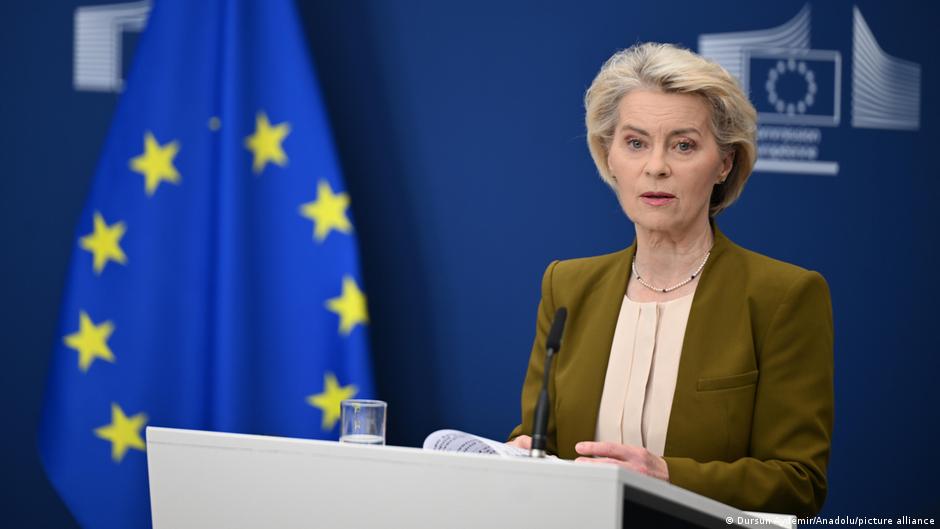
The European Union's proposal to ban entry for Russian combatants involved in the war against Ukraine is encountering resistance from key member states, notably France and Italy. Sources reveal that these countries are apprehensive about the practical implications of such a ban, fearing it could inadvertently extend to all Russian nationals, complicating enforcement and diplomatic relations.
Strategic Concerns Over Enforcement and Scope
The entry ban is a component of the EU's 21st package of sanctions against Russia, which EU members were set to discuss on June 26. While Paris and Rome support the principle of restricting access to individuals directly involved in hostilities, they worry about the challenges in identifying who qualifies as a combatant. This designation would fall to individual member states, creating a fragmented and potentially inconsistent enforcement landscape.
This hesitation highlights the broader strategic dilemmas faced by the EU as it seeks to balance punitive measures against Russia with the risk of alienating Russian civilians or disrupting broader diplomatic channels.
"Europe remains closed to all who participated in the invasion of Ukraine," stated European Commission President Ursula von der Leyen, emphasizing the EU’s firm stance on restricting entry for Russian military personnel.
The prohibition targets anyone who has served in the Russian armed forces since the full-scale invasion began, marking a more direct approach compared to previous sanction packages. Beyond travel restrictions, the 21st sanctions package also proposes new constraints on energy, finance, trade, and, for the first time, fisheries.
Implications for EU-Russia Relations and Sanctions Enforcement
The proposed measures aim to intensify pressure on Moscow amid Ukraine's improving position on the battlefield. However, the concerns voiced by Italy and France suggest potential internal divisions that may affect the sanctions’ implementation and efficacy.
Moreover, enforcing a "price cap" on Russian oil amid rising global energy prices presents additional challenges, underscoring the complexity of sanction measures in the current geopolitical and economic environment.
The EU's overarching objective remains to curtail Russia's revenues that fuel its military campaign. However, the debate over the entry ban reveals the nuanced considerations within the EU regarding the balance between firm sanctions and practical enforcement realities.