PACE Resolution Criticizes Georgia's Democratic Backsliding Amid Political Tensions
The Parliamentary Assembly of the Council of Europe calls on Georgian authorities to end opposition persecution and repeal restrictive laws.
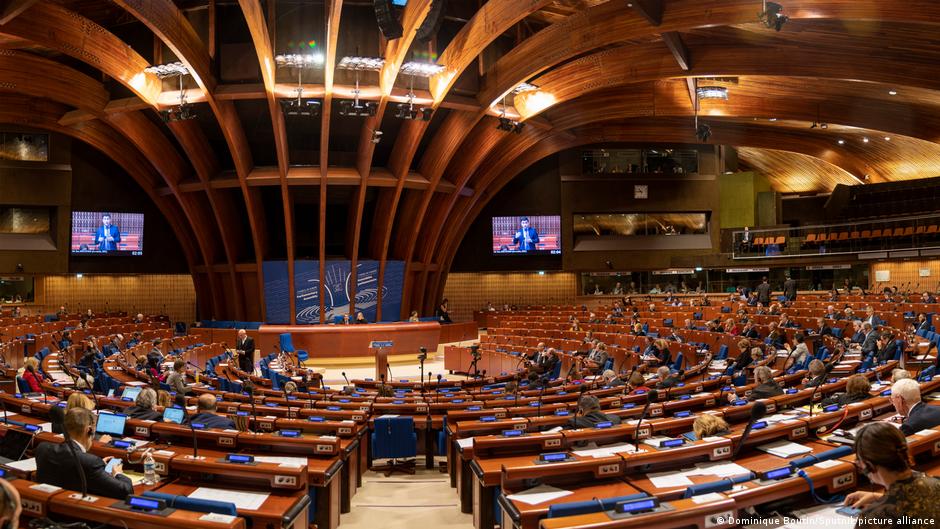
The Parliamentary Assembly of the Council of Europe (PACE) adopted a resolution on June 24 criticizing the decline of democratic standards in Georgia. The resolution urges Georgian authorities to cease persecution of political opposition, repeal a series of repressive laws, and create conditions for free and democratic elections.
Political and Democratic Concerns in Georgia
The resolution was approved by 83 members, while 5 opposed and 4 abstained. It expresses "deep concern about the ongoing democratic backsliding in Georgia, manifested by the suppression of civil society, political opposition, and dissent, despite previous resolutions and recommendations." The Assembly calls on Georgian authorities to halt the persecution of opposition leaders and to restore democratic processes.
"The Assembly calls on Georgian authorities to end the persecution of opposition leaders, repeal repressive laws, and ensure conditions for free and democratic elections."
Membership in the Council of Europe entails non-negotiable obligations, including adherence to democratic principles. The resolution condemns measures undermining democracy, including reforms affecting academic freedom and transnational repression of journalists. PACE also demands thorough investigations into police violence against demonstrators and underscores the importance of Georgia complying with decisions from the European Court of Human Rights (ECHR) and recommendations from the OSCE.
Despite the critical stance, the Parliamentary Assembly affirms its commitment to dialogue aimed at restoring democratic principles within Georgia.
Government Response and Geopolitical Implications
Georgian Parliament Speaker Shalva Papuashvili denounced the resolution as "anti-Georgian." Speaking on the "Rustavi 2" television channel, he asserted that PACE and the European Parliament are "anti-Georgian" organizations that fail to recognize Georgia’s sovereignty. He criticized PACE for not acknowledging the will of the Georgian people, who elected the ruling "Georgian Dream" party in the 2024 parliamentary elections, and for demanding new elections instead.
According to Papuashvili, this dispute led the Georgian delegation to suspend its membership in PACE approximately 18 months ago. The situation highlights ongoing tensions between Georgia's government and European institutions, with significant implications for the country's democratic trajectory and international relations.
For business leaders and investors, the resolution signals enduring political instability and governance challenges in Georgia. The calls for reform and respect for democratic norms could shape the country’s regulatory environment, judicial independence, and media freedom—factors critical to the business climate. Moreover, ongoing scrutiny from European bodies may influence Georgia’s integration with European markets and institutions.
In this context, companies operating in or considering entry into the Georgian market should carefully monitor political developments and assess risks related to governance and civil liberties.