AfD’s Saxony-Anhalt Win Raises Strategic Risks for Europe’s Political Center

AfD’s projected win in Saxony-Anhalt drew sharp reactions from Poland, Czechia and France, raising questions over coalition strategy in Europe.
AfD’s projected win in Saxony-Anhalt drew sharp reactions from Poland, Czechia and France, raising questions over coalition strategy in Europe.

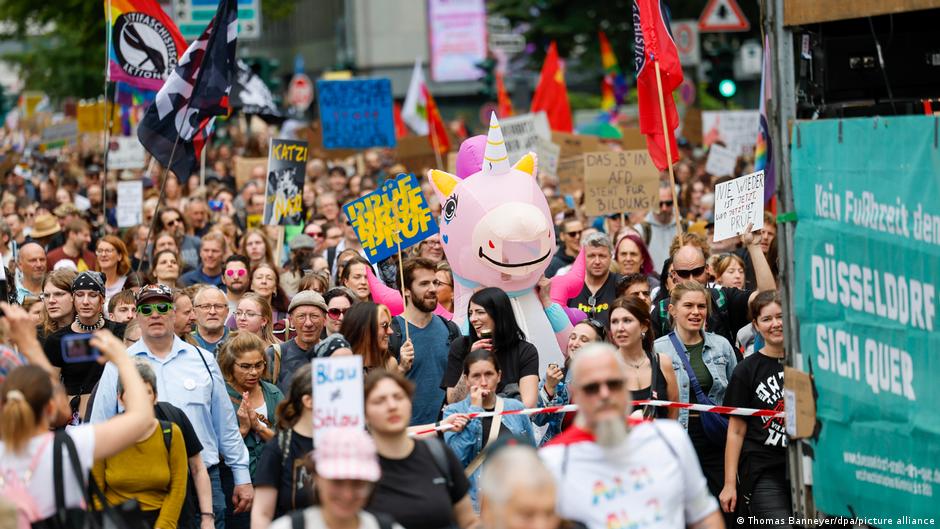
AfD won Saxony-Anhalt with 43.8 percent, but coalition arithmetic leaves BSW, the CDU and minority-government scenarios at the center of the next phase.

Germany plans a counter-drone and cyber shield that would give critical infrastructure operators a larger role in national defense.

Germany’s closure of Russian facilities signals a broader strategy of constraining Moscow’s operational reach, not just issuing a diplomatic protest.

Former pro-government Russian blogger Ilya Remeslo detained after criticizing Putin and undergoing psychiatric evaluation amid charges related to 'fake news' about the military.

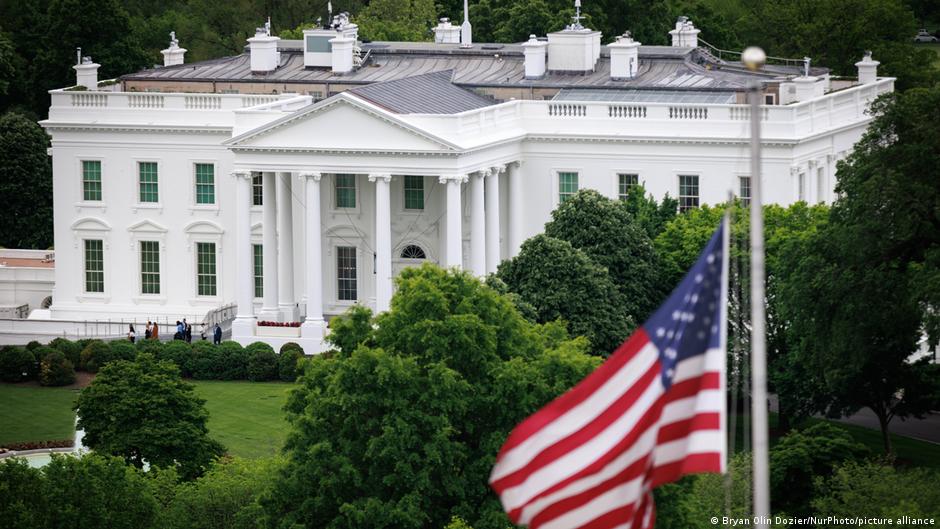
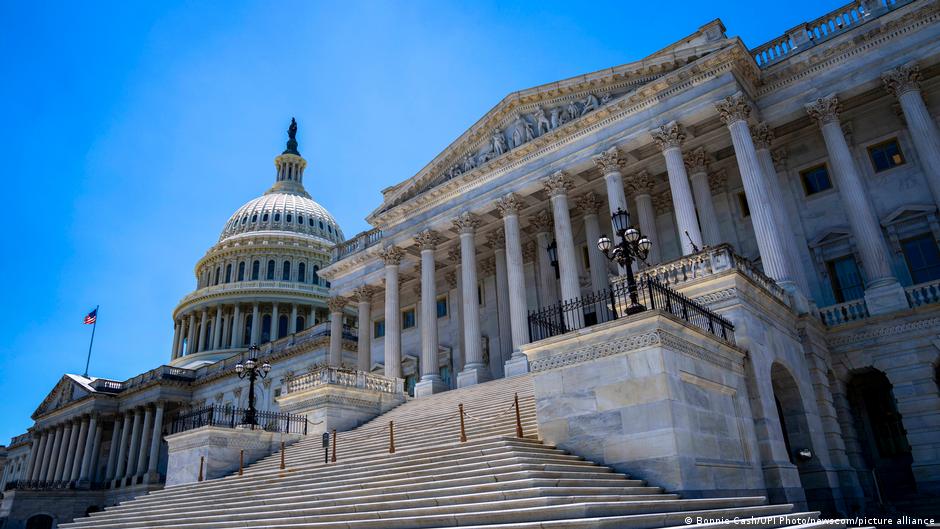
The US Supreme Court has allowed President Trump to continue his White House renovations, including a new ballroom and military bunker, despite opposition from lower courts.

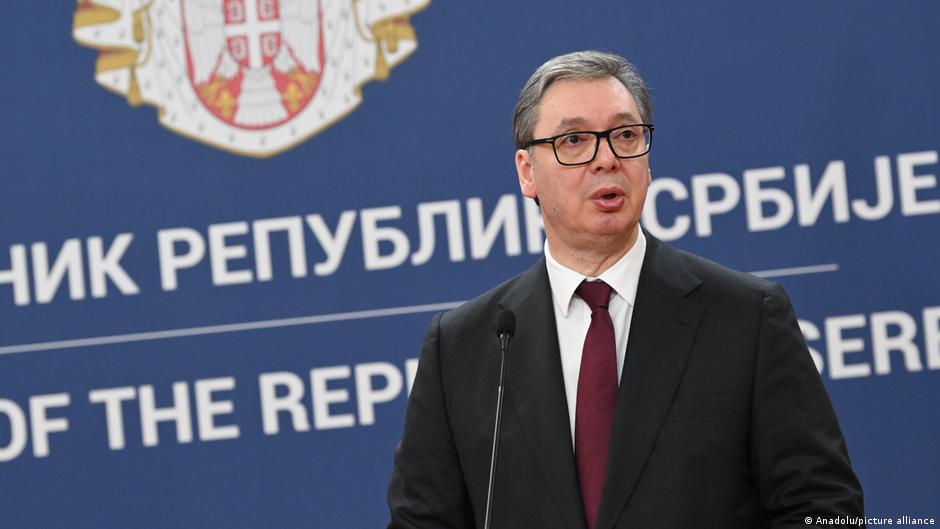
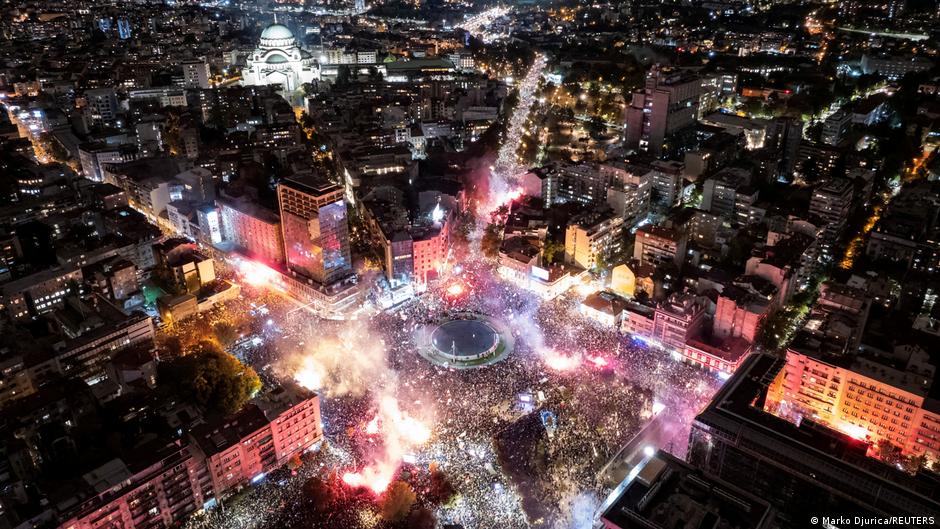
Serbia’s President Vučić announces early parliamentary elections in October 2023 amid protests and anti-corruption demands, signaling a major political shift.

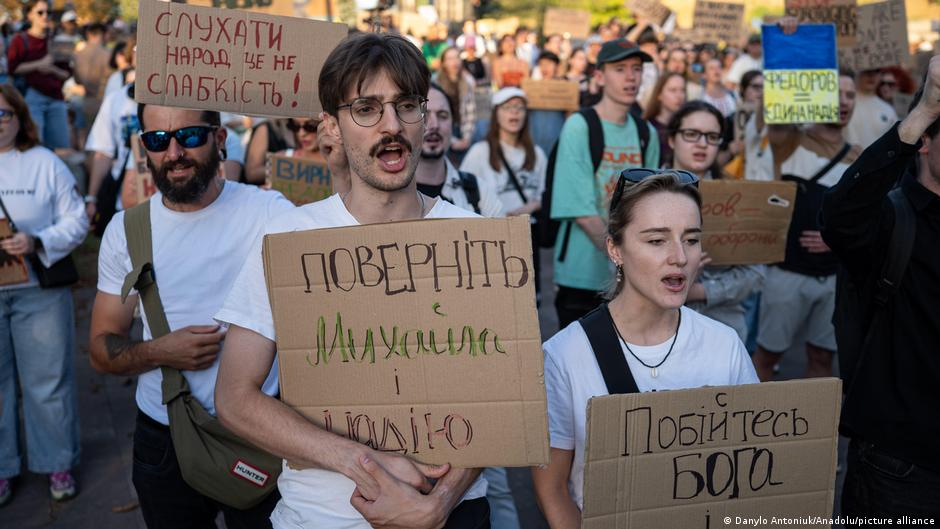
Hundreds in Kyiv and other Ukrainian cities protest to reinstate Mykhailo Fedorov as defense minister and criticize recent presidential appointments affecting defense reforms.

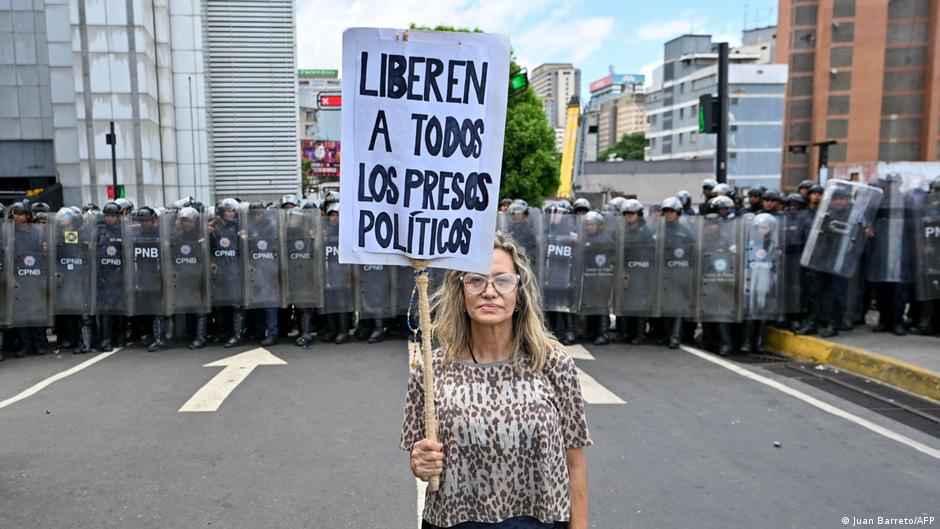
Venezuela released 131 political prisoners after national reconciliation talks, agreeing on judicial reforms as part of efforts to ease political tensions.

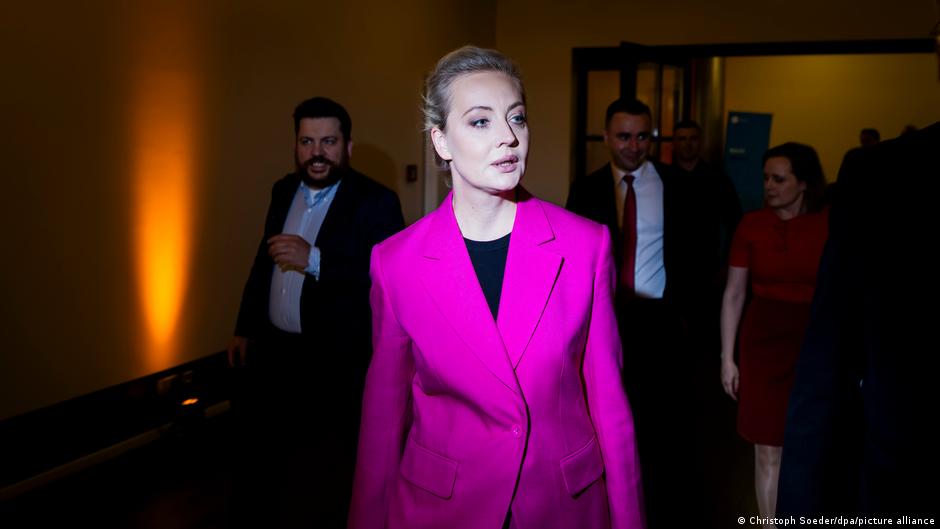
Russia has declared the US-based Human Rights Foundation undesirable amid its appointment of Yulia Navalnaya as chair, highlighting tensions over its democratic advocacy projects.

Gulagu.net founder Vladimir Osechkin suspends operations citing intensified threats, geopolitical shifts, and a global crisis in human rights advocacy.

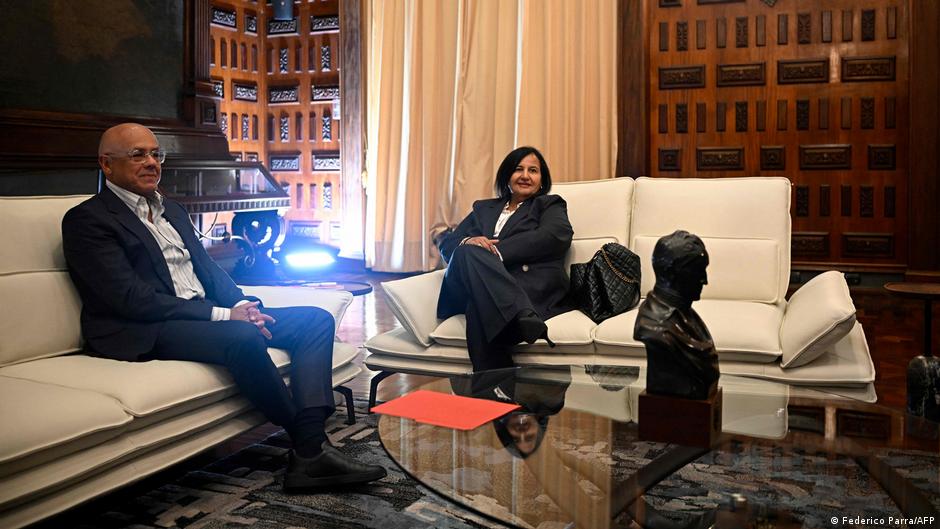
Venezuela’s government and opposition will hold direct talks in Caracas focusing on earthquake aid and election schedules, potentially impacting political stability and economic recovery.

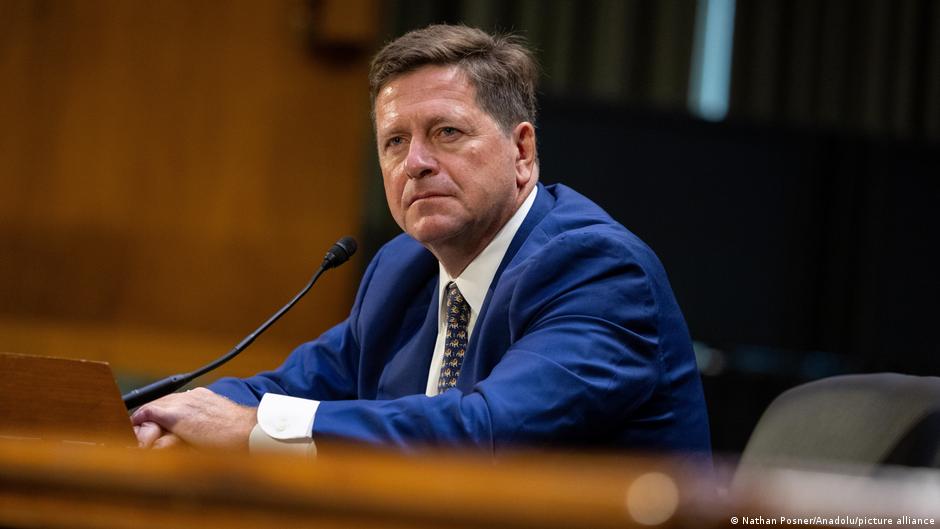
Jay Clayton confirmed as U.S. Director of National Intelligence despite limited intelligence experience, amid bipartisan division and ongoing structural changes in the intelligence community.

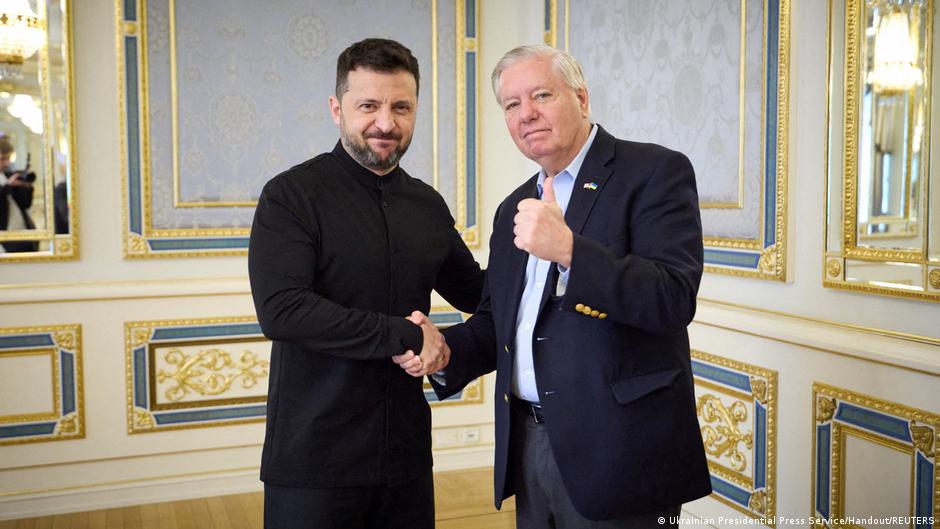
The US Senate advances the bipartisan 'Graham sanctions' bill imposing steep tariffs on Russian imports and allies, signaling a strategic shift in US economic pressure.

Austria plans to extend mandatory military service to nine months and introduce recurring training to strengthen defense amid increased security threats in Europe.
Montenegro plans to end visa-free travel for Russian and Belarusian citizens by October 2026, aligning its policies with EU accession requirements and impacting regional migration and business.

Germany defends the International Criminal Court as the U.S. intensifies its campaign against the tribunal, highlighting competing visions for international justice and sovereignty.

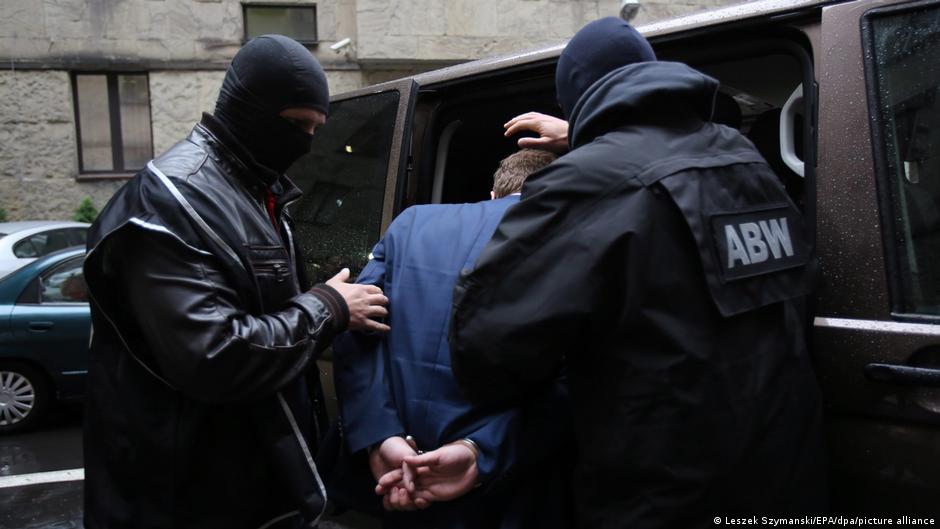
Poland expelled 11 foreign nationals accused of organizing Russia-funded protests among Ukrainian refugees, highlighting persistent geopolitical interference risks.

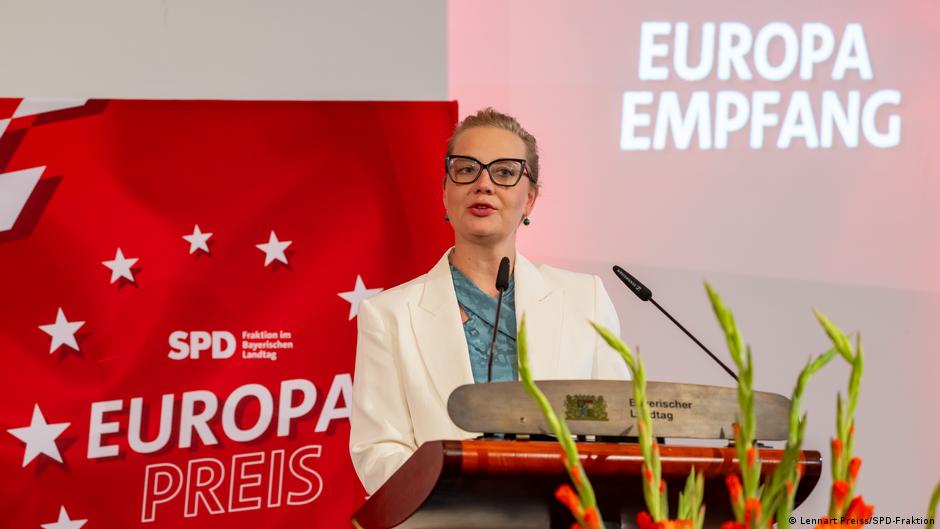
The Bavarian SPD faction awarded Yulia Navalnaya the European Prize for her courageous human rights advocacy against Russia's authoritarian regime.

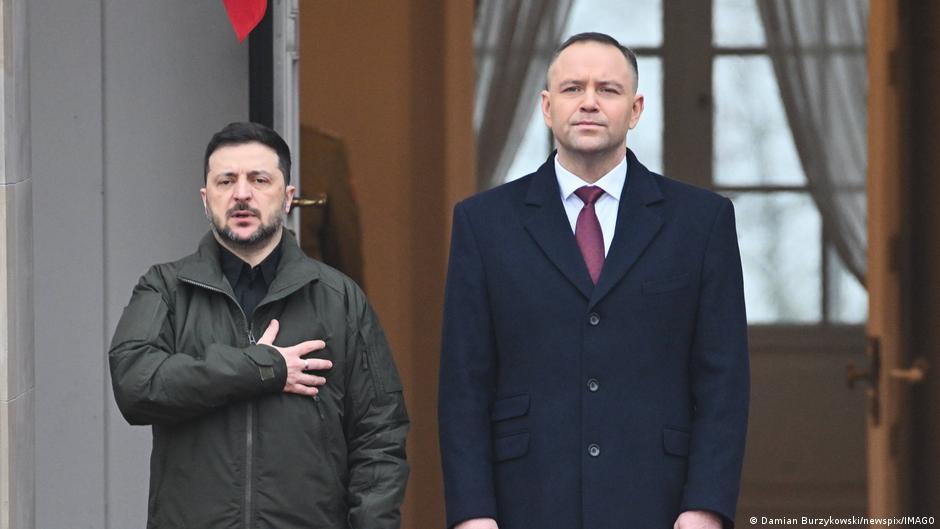
Ukraine’s Zelensky proposes a National Pantheon and new 'Order of Europe' amid diplomatic tensions with Poland over historical recognition and national honors.

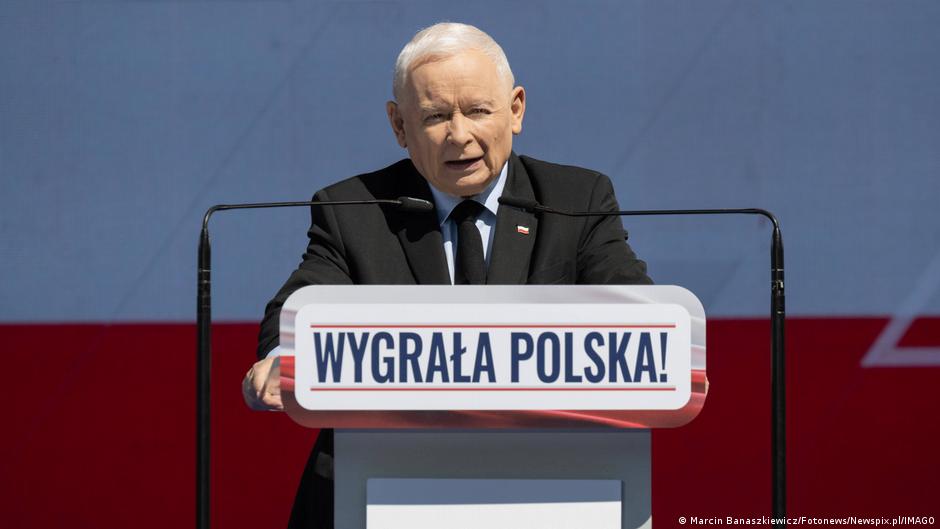
Poland’s opposition leader Jarosław Kaczyński urges blocking Ukraine’s EU accession talks amid diplomatic disputes and ahead of Poland’s 2027 elections.

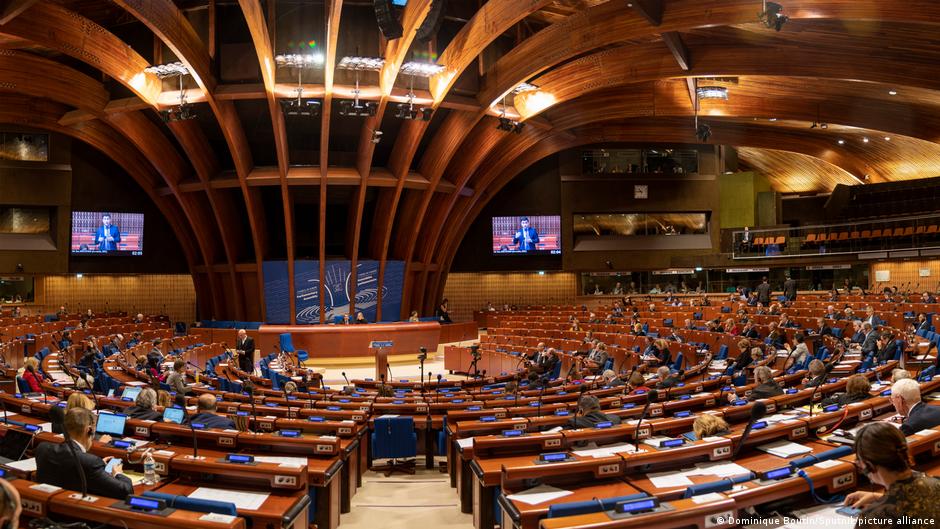
PACE adopted a resolution urging Georgia to halt opposition persecution and repeal repressive laws amid concerns over democratic backsliding and political tensions.

The US Senate approved a resolution urging military withdrawal from Iran conflict zones, reflecting growing congressional concern amid ongoing peace negotiations and White House opposition.

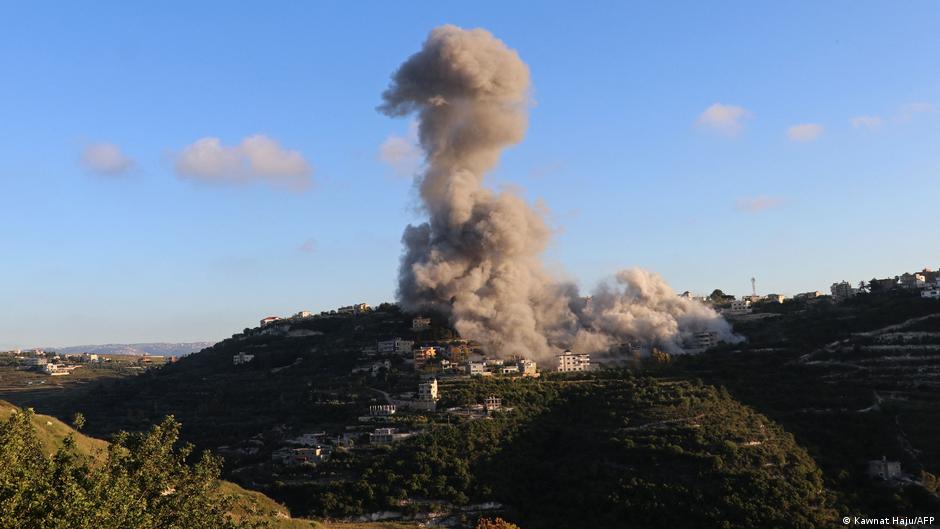
US intelligence warns Israel may attempt to derail the US-Iran agreement, citing national security and political factors amid ongoing Middle East tensions.

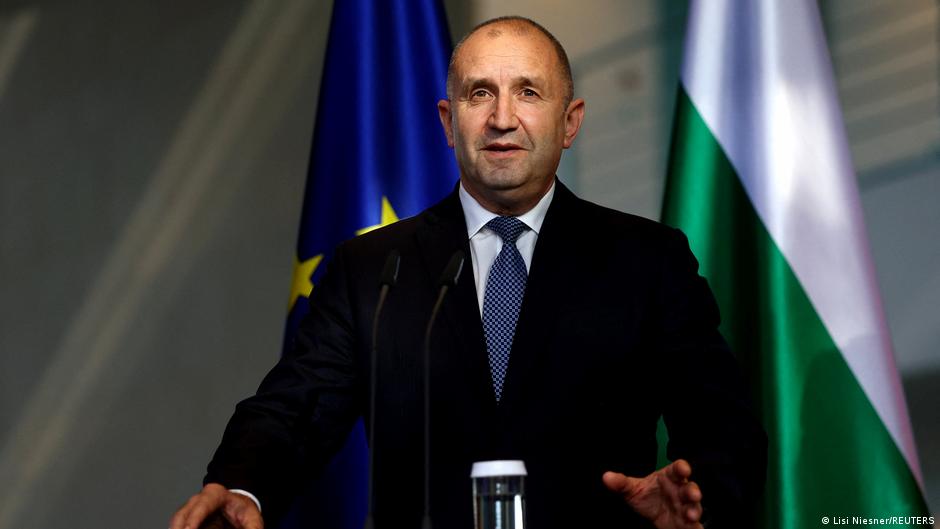
Bulgaria plans to veto the EU's new sanctions against Russia, citing risks to its oil industry and supply chains, while supporting Ukraine's EU accession talks.

EU member states agreed to extend sanctions on Russia for one year, a shift enabled by Hungary's new leadership and reflecting strategic consolidation amid geopolitical tensions.

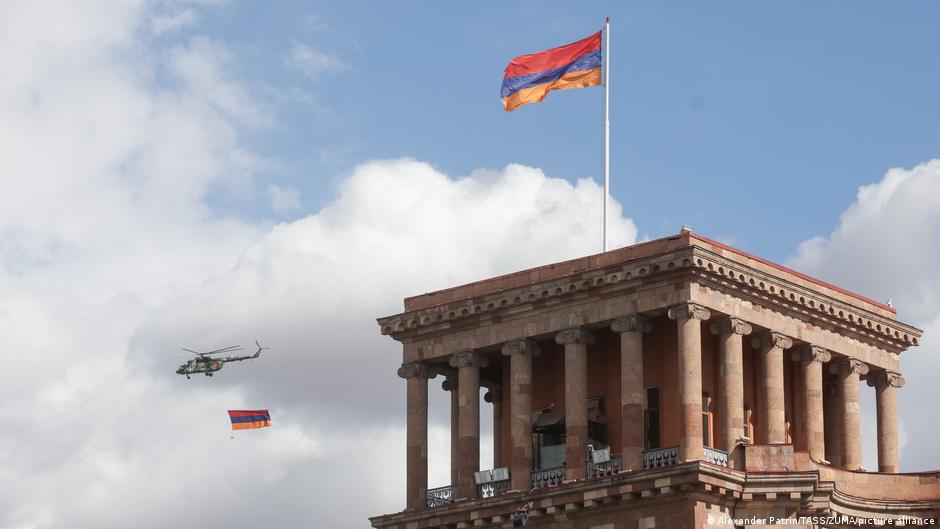
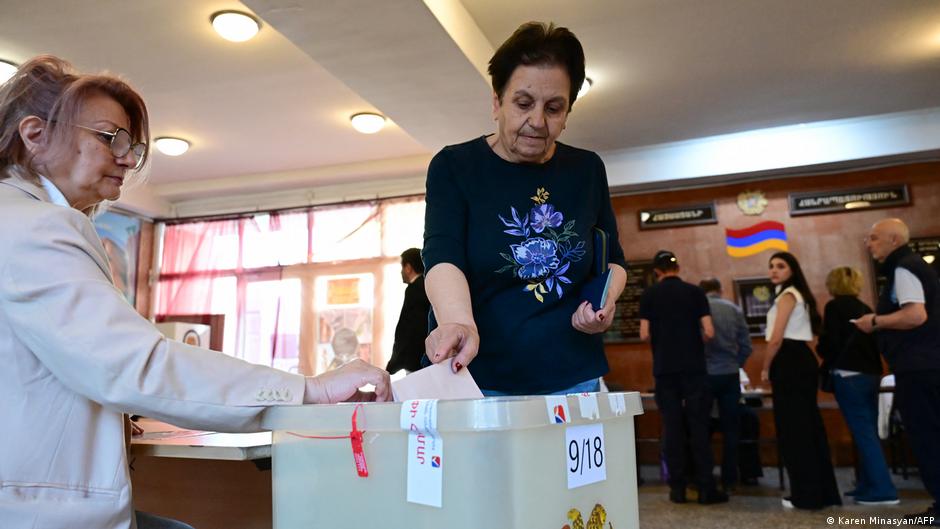
Armenia’s Central Election Commission recounts votes from one-third of polling stations, adjusting totals for major parties amid election disputes.

US Congress approves $70 billion funding for ICE and CBP to reinforce immigration enforcement amid leadership changes and policy controversies.

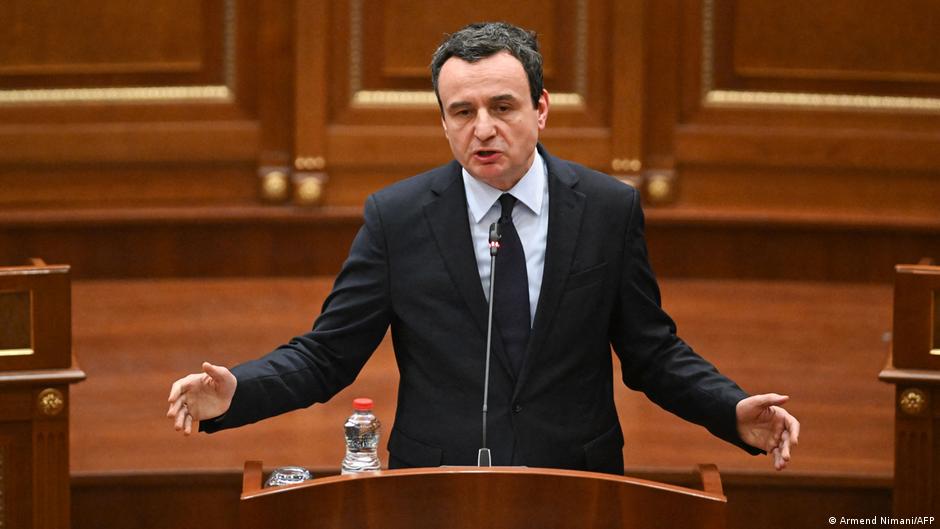
Kosovo’s Vetëvendosje party wins 43% in early parliamentary elections but must build coalitions amid ongoing political instability and EU integration efforts.

Armenia’s ruling party secures parliamentary majority, reinforcing Pashinyan’s pro-EU course amid opposition challenges and Russian economic pressures.

Kremlin spokesman refuses to relay Cannes winner Zvyagintsev's call to end the Ukraine war, underscoring the broader political suppression of dissent in Russia today.

Russia's elite warn Putin against harsh internet restrictions due to economic losses and public dissatisfaction amid rising digital controls and social strains.

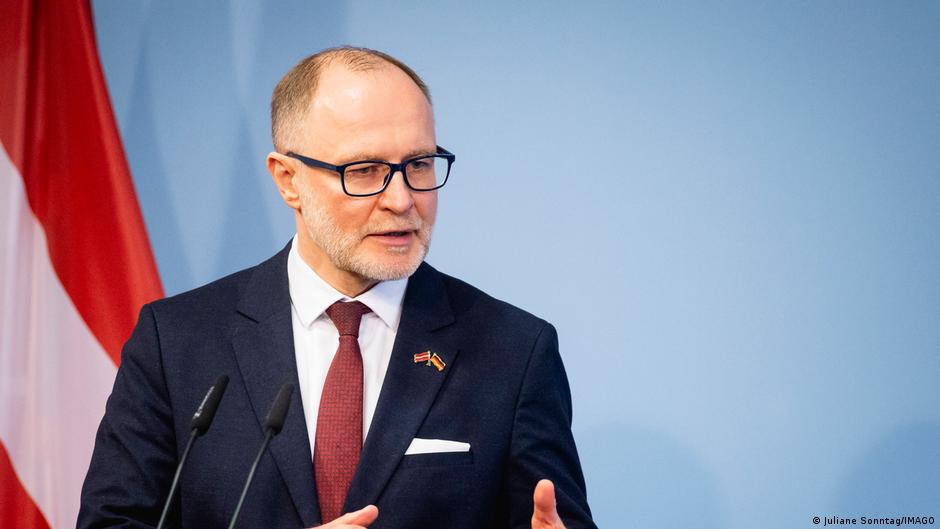
Latvia's ruling coalition collapses following the Defense Minister's resignation after a drone airspace breach, prompting political instability ahead of elections.

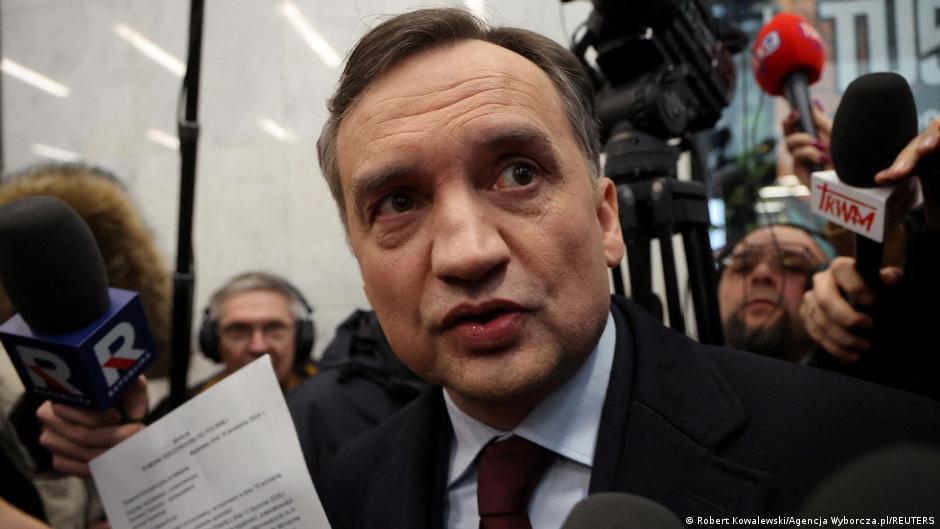
Former Polish Justice Minister Zbigniew Ziobro has relocated from Hungary to the US amid Warsaw's extradition efforts, reflecting shifting political alliances and regional judicial complexities.

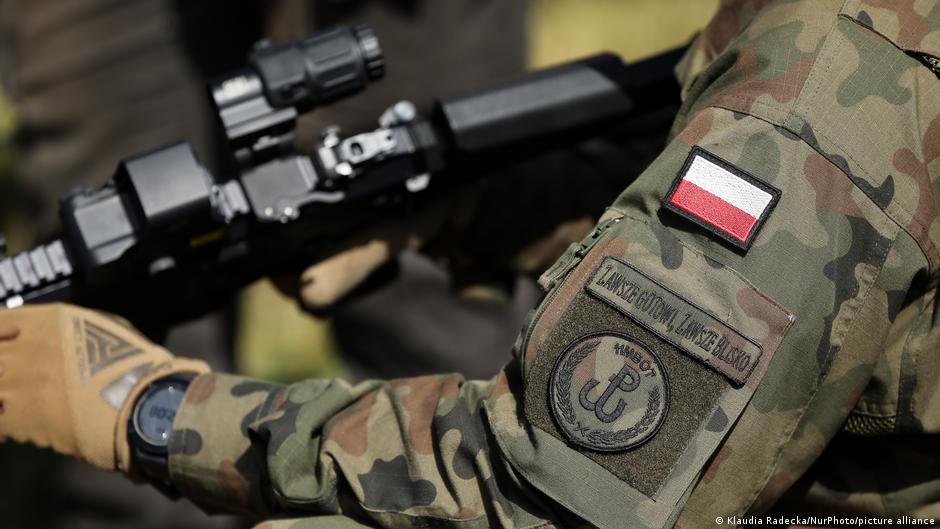
Poland secures a €44 billion EU loan under the SAFE program, marking a major investment to modernize its defense industry despite presidential opposition.

Oil prices surged after President Trump's threats to block Iran's oil exports via the Strait of Hormuz, raising geopolitical risks and affecting global energy markets.

US chargé d’affaires Julie Davis will leave Kyiv amid tensions with the Trump administration and shifting US support policy for Ukraine, raising concerns over diplomatic continuity.