Poland Secures €44 Billion EU Loan to Boost Defense Industry Under SAFE Program
Poland signs a landmark loan agreement with the EU for nearly €44 billion to modernize its defense sector despite presidential veto concerns.
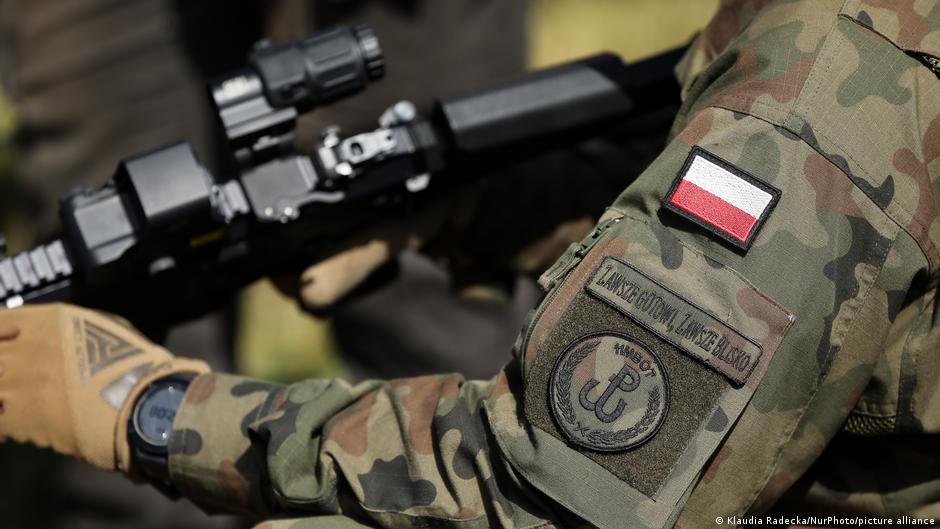
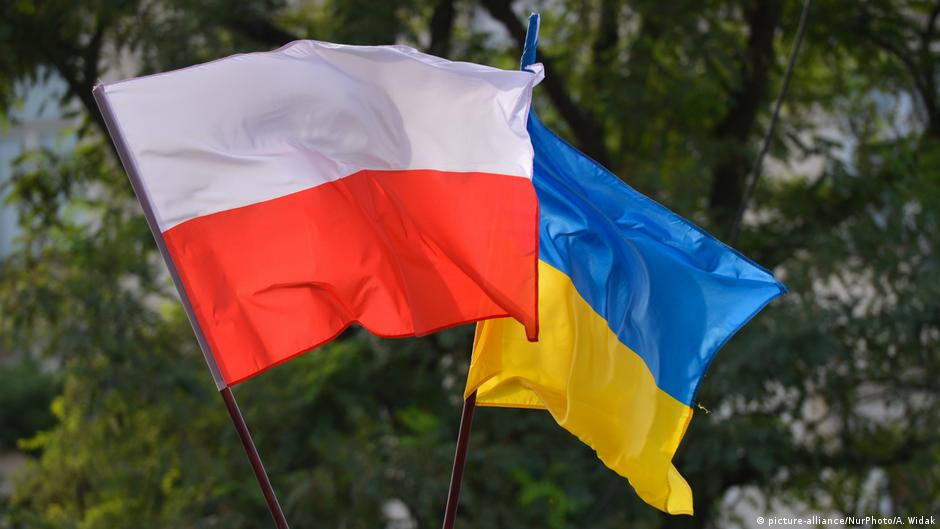
Poland has formally signed a significant loan agreement with the European Union that will provide approximately €43.7 billion to finance the modernization of its military and defense capabilities. This deal marks Poland as the first EU country to enter into such a financial arrangement under the EU-wide Security Action for Europe (SAFE) program, which has a total budget of €150 billion allocated for defense enhancements across member states.
Strategic Investment into Poland’s Defense Sector
The agreement enables Poland to receive nearly one-third of the entire SAFE budget, signaling the country's commitment to significantly upgrading its defense infrastructure. The loan was signed by key Polish officials including Defense Minister Władysław Kosiniak-Kamysz, Finance Minister Andrzej Domański, representatives from the National Economy Bank, and EU commissioners for defense and budget, Andrius Kubilius and Petr Šerafin, respectively.
"No other participating country in the SAFE program will invest such a large sum into its defense industry," stated Polish Prime Minister Donald Tusk, underscoring the scale of Poland’s planned defense industrial expansion.
Prime Minister Tusk emphasized that 89% of the loaned funds will directly benefit Polish defense companies and their partners, positioning the country to become a major defense manufacturer in Europe. Defense Minister Kosiniak-Kamysz specified that the funding will modernize all branches of the Polish armed forces and include investments in cybersecurity capabilities.
Funding Disbursement and Project Implementation
The initial advance of €6.5 billion is expected to be disbursed within days, with the government anticipating that by the end of May, approximately 40 defense contracts will have been signed under SAFE. Government spokesperson Magdalena Sobkowiak-Czarnecka noted that defense companies are expected to establish production capacities by 2030.
Loan disbursements will occur biannually in October and April, with subsequent tranches contingent on Poland’s transparent reporting on defense projects’ progress to the European Commission. Notably, Poland is allowed a grace period of ten years before having to begin repayment of the principal amount, providing financial flexibility in the early stages of modernization.
Presidential Veto and Government Strategy
This landmark agreement follows a presidential veto issued in mid-March by Polish President Karol Nawrocki, who expressed concerns over the long-term financial burden. He described the SAFE loan as a "massive external debt" potentially requiring €41 billion in interest payments over 45 years.
Despite the veto, the Polish government clarified that it does not bar the signing of the agreement but restricts the use of funds exclusively to military purposes. Following the signing, Prime Minister Tusk indicated that the government intends to find mechanisms to extend SAFE program financing beyond the armed forces to include border security, firefighting, and police services.
The agreement represents a strategic maneuver by Poland to assert its sovereignty in defense production and enhance military readiness amid evolving European security dynamics. By leveraging EU-wide financial instruments like SAFE, Poland aims to transform its defense sector into a competitive industry hub while addressing urgent modernization needs.