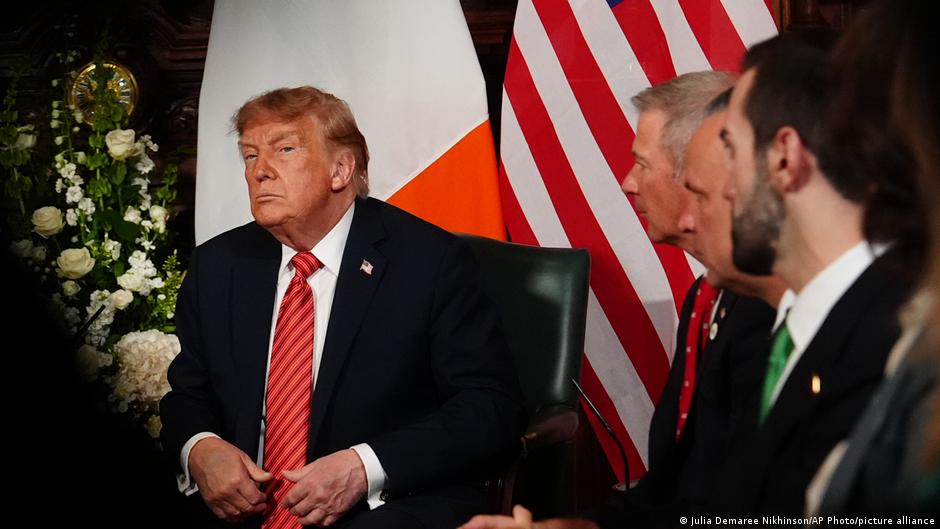
US to Significantly Scale Down Military Presence in Germany, Trump Confirms
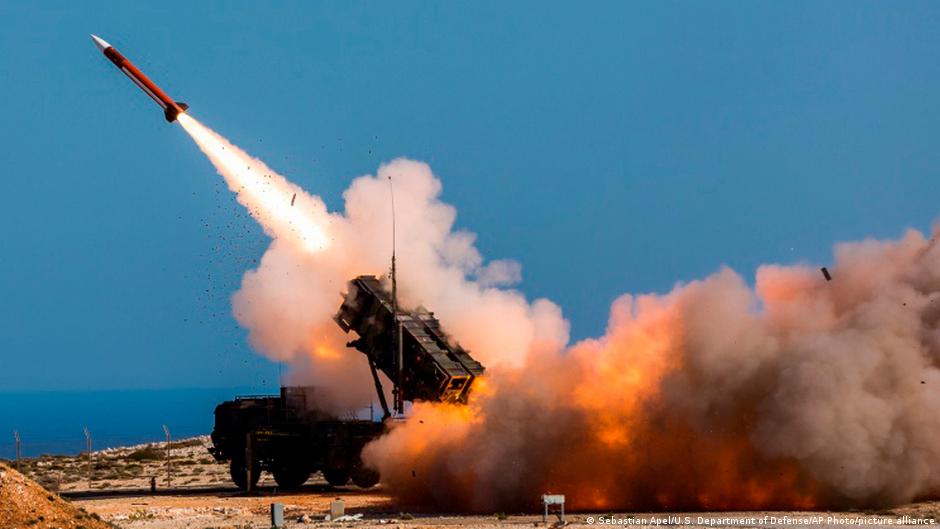
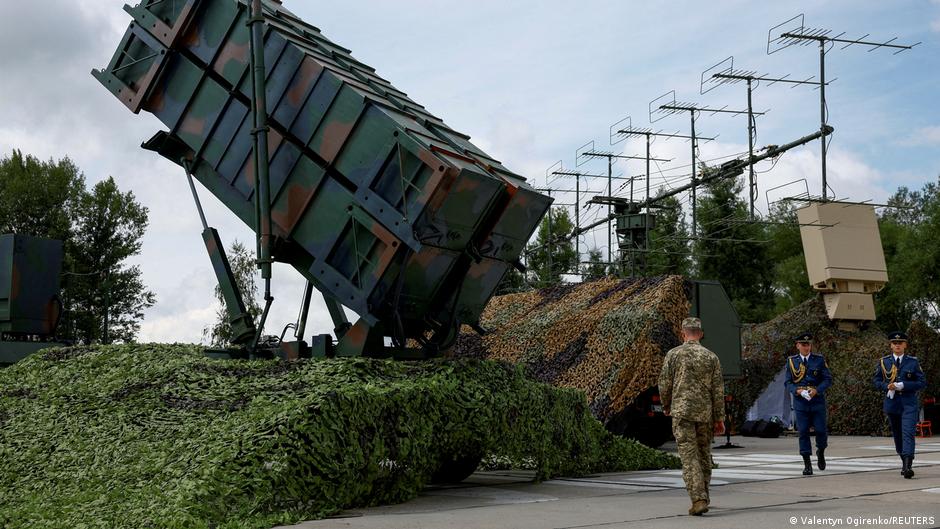
President Trump announces a significant reduction of US troops in Germany beyond prior figures, signaling a strategic reorientation of US military presence in Europe.
President Trump announces a significant reduction of US troops in Germany beyond prior figures, signaling a strategic reorientation of US military presence in Europe.

The ifo Institute warns that US tariff hikes on EU cars risk triggering a German recession in 2026 if the EU retaliates, threatening the country's vital automotive exports amid escalating trade tensions.

The Pentagon orders withdrawal of 5,000 US troops from Germany within a year, reflecting a strategic reassessment of American military presence in Europe.

Russian forces launched drone attacks on multiple Ukrainian regions targeting energy, port, and industrial infrastructure, causing injuries and testing defense capabilities.

The US notifies European allies of significant arms shipment delays as it urgently replenishes stockpiles depleted by conflict with Iran, while approving large arms exports to Middle Eastern partners.

The EU and Mercosur provisionally launch a free trade agreement unlocking new market opportunities while facing legal, environmental, and political challenges.

Italy and Germany urge adherence to international law after Israel intercepts a humanitarian flotilla bound for Gaza, emphasizing the need for responsible diplomatic actions.

CEO pay in Germany's largest firms has surged 56% since 2019, while worker wages remain below pre-pandemic levels, fueling growing income inequality amid inflation and global challenges.

In April, the Uzbekistani som appreciated 1.8% against the dollar, driven by export growth and rising remittances, with expectations for continued exchange rate stability.

Paynet leads Uzbek payment firms with a 313.7% profit surge in Q1 2026, driven by strategic acquisition and dividend inflow, while Payme and Click post steady growth.

For the first time in years, Moscow’s May 9 Victory Day parade excludes military vehicles, citing operational concerns and regional security amid ongoing conflict.

US chargé d’affaires Julie Davis will leave Kyiv amid tensions with the Trump administration and shifting US support policy for Ukraine, raising concerns over diplomatic continuity.

Hungarian PM Péter Madyar will negotiate with the EU to unlock over €35 billion in funds frozen due to compliance issues under the previous government.

Viktor Orbán declines his parliamentary seat to focus on reorganizing Fidesz after electoral defeat, while Péter Magyar’s incoming government signals policy shifts in Hungary’s foreign relations.

A fake BBC video claiming a stolen Cézanne painting was found in President Zelensky’s office was traced to a Russian GRU-linked disinformation network called Storm-1516.

Ryanair is closing its Berlin base and halving flights amid rising German aviation taxes and airport fees, shifting operations to more cost-effective EU airports.

The US Treasury will not extend temporary waivers for purchasing Russian and Iranian oil shipments at sea, signaling a stricter sanctions regime amid geopolitical tensions.

The US mediates a three-week extension of the Israel-Lebanon ceasefire and hosts leaders to advance historic peace negotiations, impacting regional stability and business prospects.

Turkey intensifies efforts to revive stalled Russia-Ukraine peace talks, positioning itself as a key mediator amid escalating global geopolitical tensions impacting business environments.

NATO intercepted Russian Tu-22M3 bombers and fighter jets over the Baltic Sea during a routine flight, highlighting ongoing military tensions and impact on defense strategies.

Lufthansa plans to cancel 20,000 flights through October 2026 and retire older aircraft to save over 40,000 tonnes of aviation fuel amid rising energy costs and geopolitical tensions.

Uzbekistan accelerates Asakabank privatization, transferring assets and securing state capital to enhance the bank's market viability and strategic competitiveness.

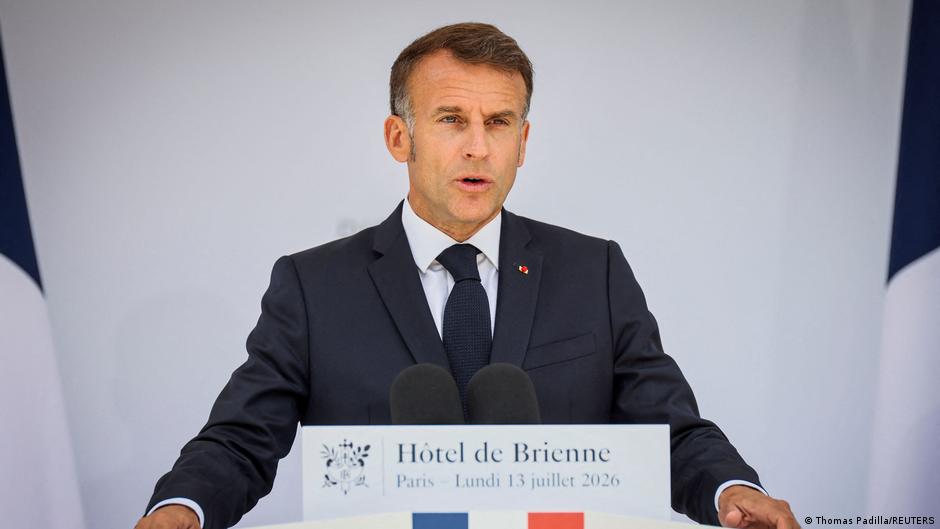
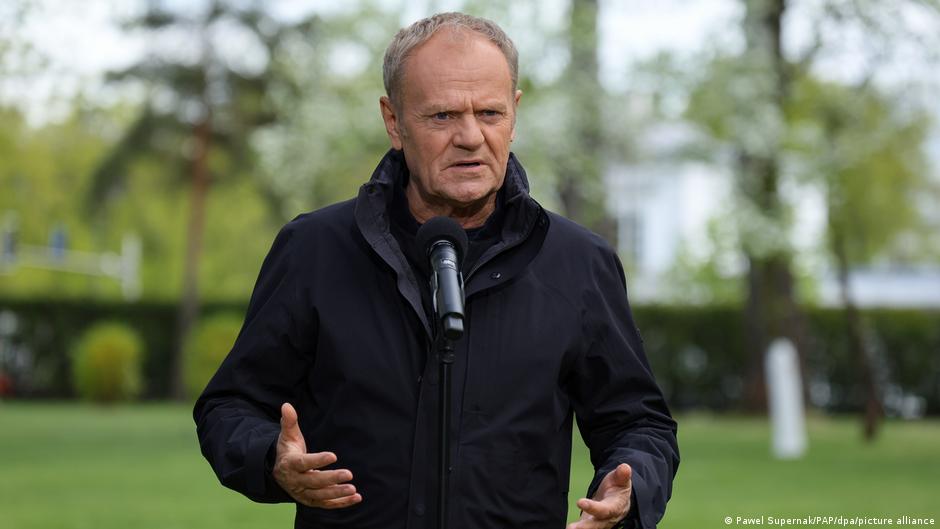
France and Poland announce a joint military satellite project to strengthen EU defense autonomy and reduce reliance on private satellite communications by 2030.