Russian-Linked Hacker Group Cl0p Targets Nearly 50 Global Corporations in Data Breach
Cl0p ransomware operators claim to have stolen sensitive data from major companies including Philips, Shell, Fiserv, and General Electric.
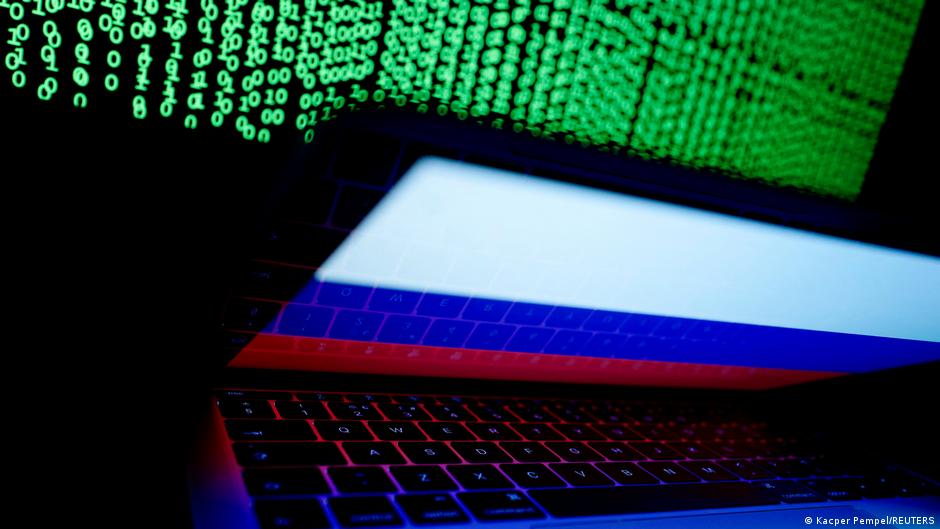
The Russian-affiliated hacking group Cl0p has publicly announced a large-scale cyberattack resulting in the theft of data from nearly 50 global corporations, including prominent names such as Philips, Shell, Fiserv, and General Electric. This revelation sheds light on the ongoing challenges multinational companies face from sophisticated cybercriminal operations allegedly tied to state actors.
Corporate Responses and Strategic Implications
Companies named in the Cl0p announcement have responded with caution. Philips reported identifying and containing a cybersecurity threat on an internal corporate server, assuring that no client-facing environments were compromised. Fiserv, the fintech giant, stated that a comprehensive investigation found no evidence of customer data, banking information, or transactional compromise, nor any operational disruption.
General Electric and Shell have refrained from detailed public commentary, reflecting a broader industry trend of carefully calibrated disclosures during ongoing cyber incident investigations.
“We have identified and localized the cyber threat attempt on a specific corporate server, ensuring no impact on customer environments,” a Philips spokesperson confirmed.
Despite these reassurances, the scale and audacity of Cl0p’s asserted breach highlight vulnerabilities in global supply chains and critical infrastructure, prompting companies to reassess their cybersecurity strategies and incident response capabilities.
Broader Cybersecurity Landscape and Geopolitical Context
Cl0p’s actions occur amid increasing scrutiny of Russian-linked hacking groups, which intelligence agencies and cybersecurity firms associate with Kremlin-backed operations. Notably, the Cl0p group reportedly exploits software vulnerabilities to conduct simultaneous attacks across multiple sectors.
In recent months, Russian-affiliated cyber actors have been implicated in various high-profile incidents, targeting government officials, critical infrastructure, and private enterprises. Examples include attacks on messaging platforms such as Signal and WhatsApp in the Netherlands, router intrusions in government institutions across Europe and the US, and breaches of UK public sector email systems.
These cyberattacks have prompted coordinated responses from Western governments. In July, the European Union and the United Kingdom imposed sanctions targeting Russian Federal Security Service (FSB) hackers, aiming to disrupt their operations and deter further cyber aggression.
While Reuters has been unable to independently verify the volume and type of data allegedly stolen by Cl0p, the group’s announcements and the responses from targeted companies underscore the evolving and complex nature of cybersecurity risks in the global business environment.
As the corporate world grapples with these threats, the incident reinforces the need for robust cybersecurity frameworks, proactive threat intelligence, and international cooperation to safeguard digital assets against state-linked cybercriminal entities.