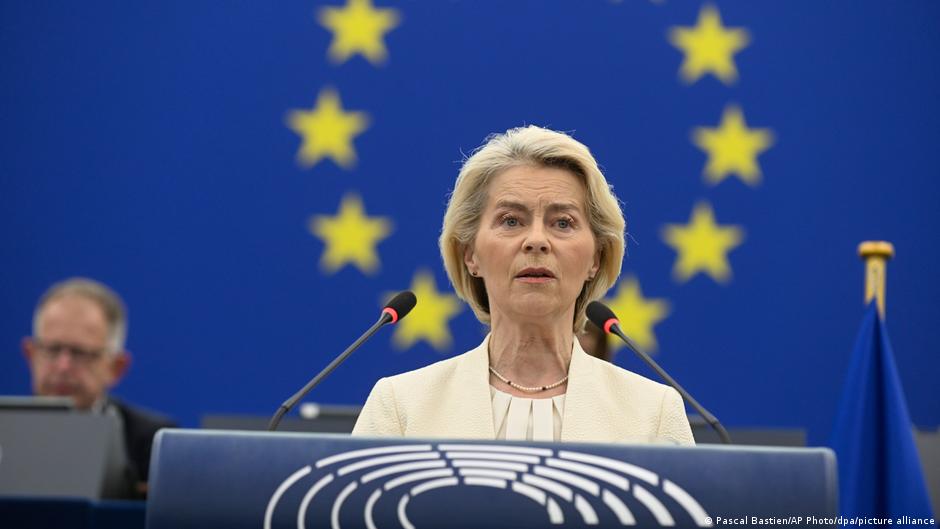
EU Drone and Missile Funding Signals Deeper Strategic Commitment to Kyiv
The EU plans new drone and missile funding for Ukraine as leaders discuss financing, accession talks and long-term support strategy.

The EU plans new drone and missile funding for Ukraine as leaders discuss financing, accession talks and long-term support strategy.

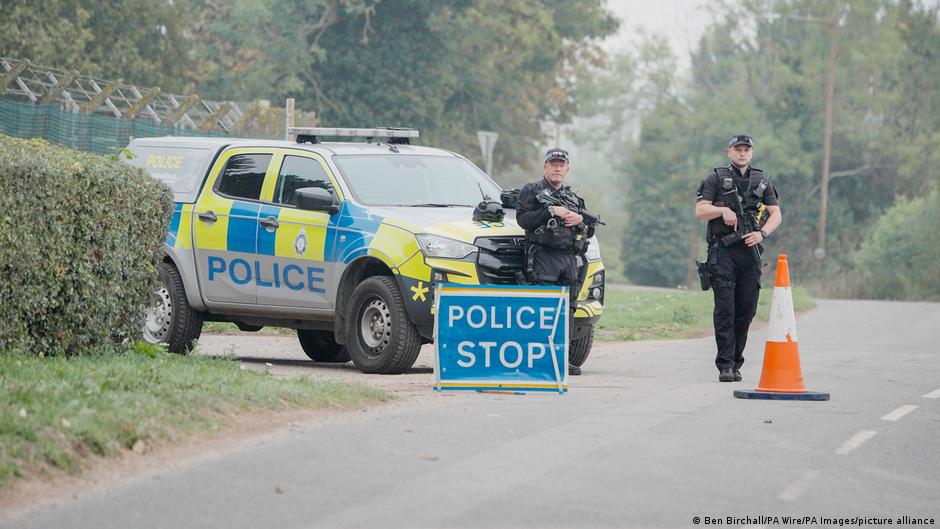
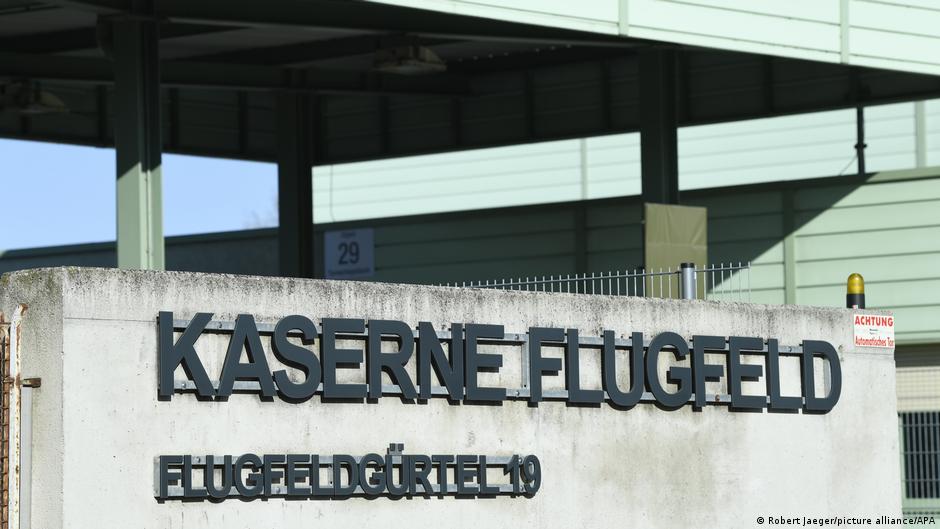
Two Latvian citizens were detained after breaching RAF Molesworth, raising security and business-risk questions around strategic defense sites.

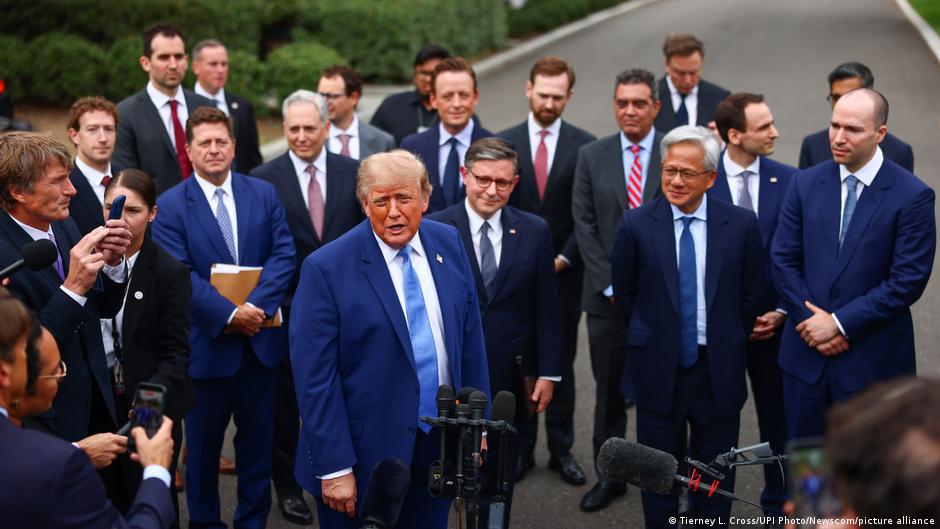
Trump’s AI accord gives major technology companies a central role in oversight while preserving room for future regulation.

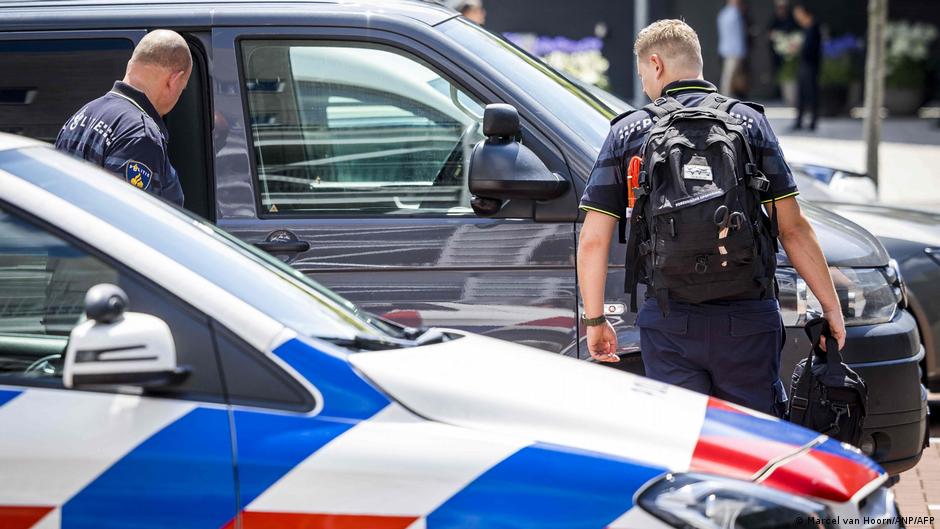
Dutch police detained a 24-year-old Amsterdam cybersecurity specialist in a ShinyHunters probe tied to alleged FBI data theft.

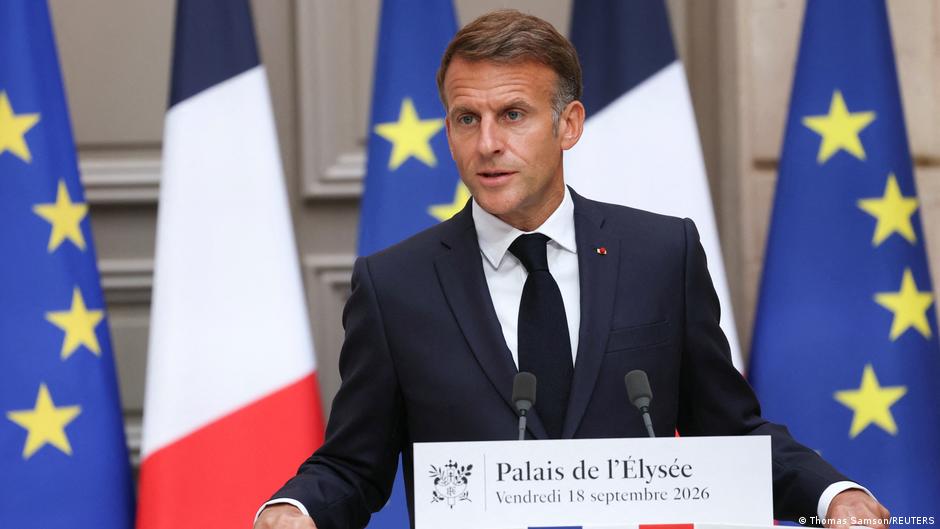
Macron says France sees a Russian mobilization of about 300,000 people as credible, while warning Europe faces rising hybrid threats.

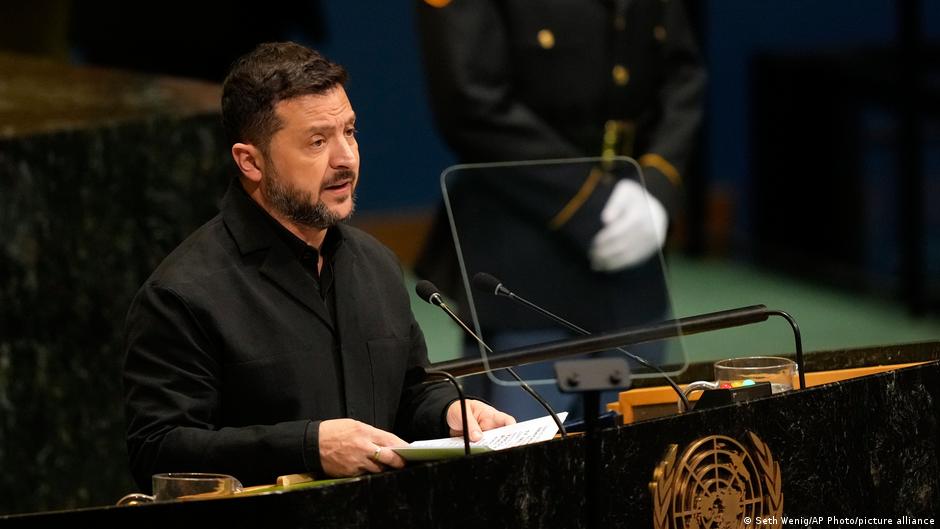
Zelensky told the UN that Ukraine is targeting Russia’s ability to finance and prolong the war, with oil, energy and AI risks at the center.

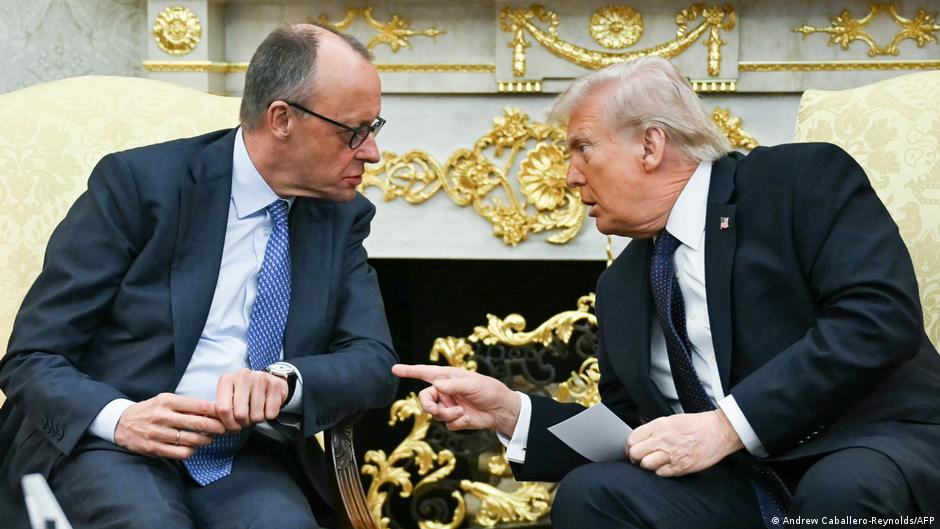
Merz says unconditional transatlantic friendship may be over, framing U.S.-Germany tensions as a strategic test for security and growth.

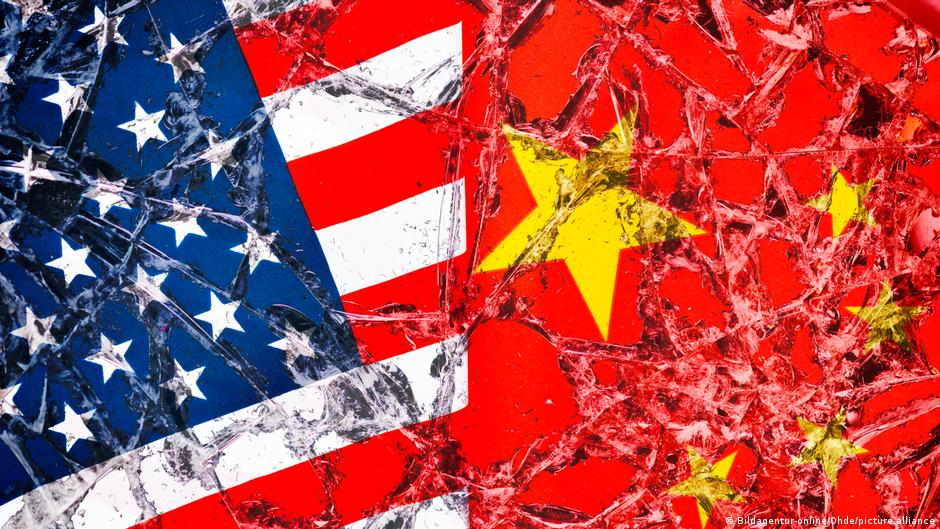
China warned the U.S. against preparing for war in space after Washington confirmed orbital military assets with defensive and offensive capabilities.

Germany plans a counter-drone and cyber shield that would give critical infrastructure operators a larger role in national defense.

NABU and SAP searched Ukraine’s Prosecutor General’s Office in a case tied to alleged protection of fraudulent call centers.

The Cl0p hacking group linked to Russia claims to have stolen data from nearly 50 global firms, including Philips and General Electric, raising concerns over multinational cybersecurity readiness.

The US introduces tariffs up to 100% on drones and components, targeting national security risks and aiming to boost domestic production amid concerns over Chinese dominance in the drone industry.

Lithuanian defense officials warn Russia may use captured Ukrainian drones to target critical Baltic infrastructure, prompting enhanced security and defense measures.

Major Russian banks face web access issues as international browsers block their sites due to revoked TLS/SSL certificates amid geopolitical sanctions.
Uzbekistan launches unified digital platforms and national navigation system while expanding IT sector incentives to enhance competitiveness and digital governance.

Austria plans to extend mandatory military service to nine months and introduce recurring training to strengthen defense amid increased security threats in Europe.

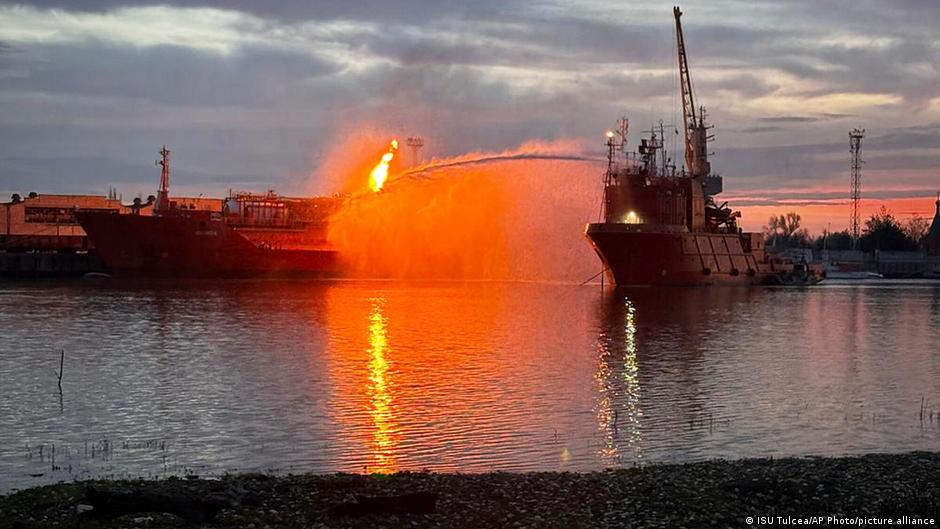
Russian missile and drone attacks have struck Ukrainian port and energy infrastructure, causing damage but no casualties, amid escalating conflict challenges for business operations.

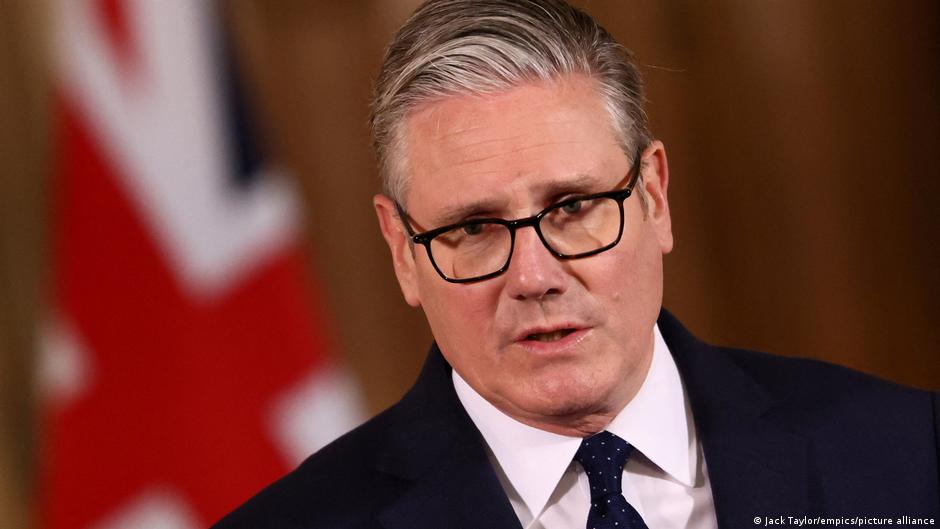
UK Prime Minister Keir Starmer plans an £18 billion defense budget increase amid political crisis, reflecting a strategic shift in national security priorities.

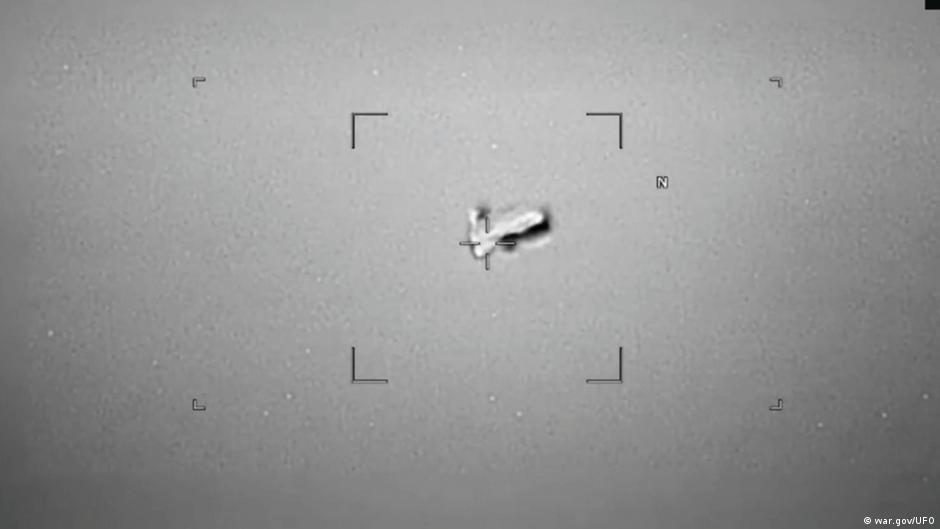
The U.S. Department of Defense has started an ongoing, interagency effort to publicly release declassified UFO files, enabling expert and public analysis amid unresolved phenomena.

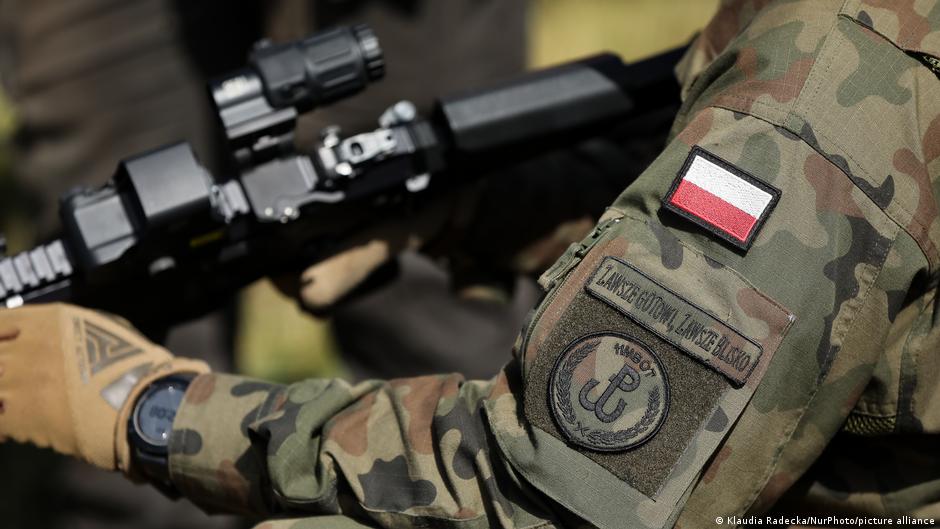
Poland secures a €44 billion EU loan under the SAFE program, marking a major investment to modernize its defense industry despite presidential opposition.

The UK has withdrawn accreditation from a Russian diplomat following Moscow's expulsion of a British diplomat accused of espionage, escalating diplomatic tensions.

Germany attributes a recent phishing campaign on Signal targeting politicians and journalists to Russian actors, prompting investigation and enhanced security measures.

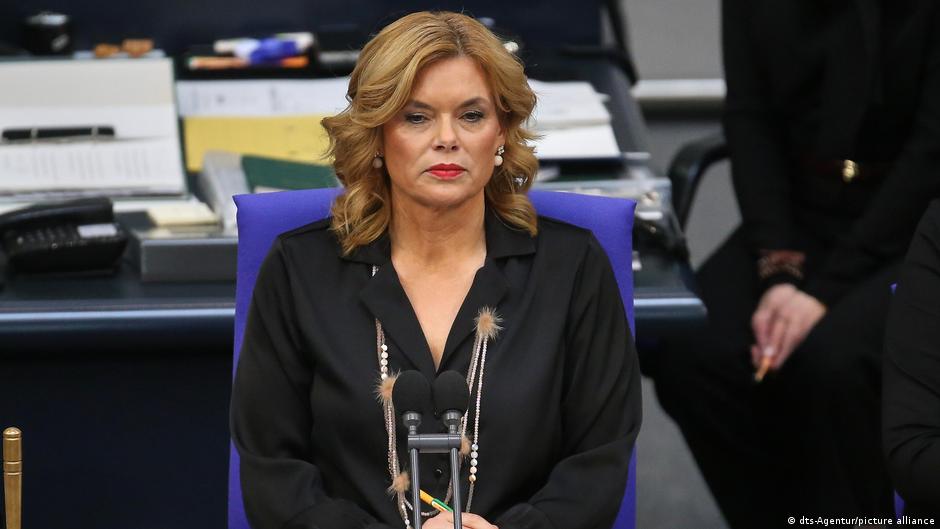
Julia Klöckner's Signal account was hacked in a phishing attack compromising CDU leadership communications, highlighting cybersecurity vulnerabilities in German politics.