Russian Attacks Target Ukrainian Port and Energy Infrastructure Amid Ongoing Conflict
Recent Russian missile and drone strikes have damaged key Ukrainian port and energy assets, highlighting vulnerabilities in critical infrastructure.
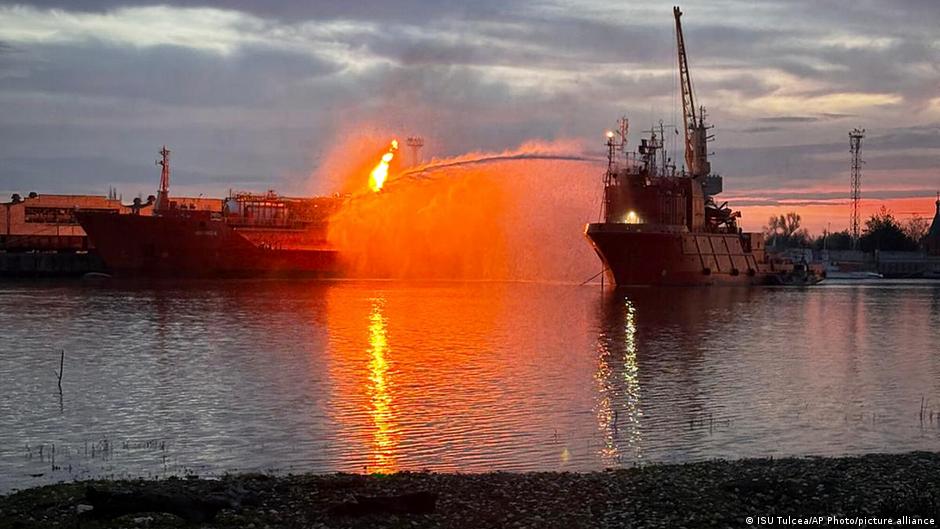
In the latest escalation of the conflict, Russian armed forces launched missile and drone attacks targeting crucial infrastructure in Ukraine, striking the port city of Izmail, key energy facilities in the Dnipropetrovsk region, and urban districts in Kharkiv.
Targeting Strategic Infrastructure Amid Hostilities
On the night of May 19, Izmail, a significant port city in southern Ukraine's Odessa region, sustained damage to its port infrastructure following an aerial assault by Russian forces. The Izmail district city administration reported that emergency service units swiftly responded to mitigate the impact. Fortunately, there were no casualties or extensive destruction reported.
“Nearly all aerial attack means were intercepted and destroyed over open territory beyond residential areas of the Izmail district,” the local administration stated.
Simultaneously, the Ukrainian state-owned energy company Naftogaz disclosed that Russian forces had launched a concentrated offensive against its oil and gas infrastructure. Between May 17 and 18, persistent drone attacks culminated in a volley of three ballistic missiles striking facilities in the Dnipropetrovsk region. While physical damage and infrastructure disruptions were confirmed, Naftogaz leadership assured that all personnel remained unharmed.
The previous week also saw Naftogaz infrastructure in the Poltava region come under heavy ballistic missile fire, suggesting a systematic Russian strategy to degrade Ukraine’s energy capabilities.
Meanwhile, Kharkiv’s mayor reported drone strikes targeting the Novobavarsky and Kholodnogorsky districts, resulting in fires affecting civilian infrastructure and private residences. Rescue operations were underway to locate individuals potentially trapped under debris.
Implications for Corporate Strategy and Regional Stability
This wave of attacks underscores the ongoing challenges Ukrainian corporations and local administrations face in safeguarding critical infrastructure amid a protracted conflict. For Naftogaz, damage to energy assets not only disrupts operations but also poses significant risks to national energy security and economic stability.
Defensive measures, including air defense systems and rapid emergency responses, have somewhat mitigated the operational impact, but persistent strikes indicate that vulnerabilities remain. This dynamic compels Ukrainian corporate and governmental leadership to accelerate investment in infrastructure resilience, crisis management capabilities, and diversification of energy supply routes.
Furthermore, the targeting of port facilities in Izmail adds pressure on Ukraine’s logistic and export capacities, potentially affecting trade flows and local economic activity in the Odessa region.
On the adversarial side, reports indicate that Ukraine has expanded its own drone strike capacity, extending reach into Russian territory, including major cities in the Ural region. This reciprocal escalation in unmanned aerial vehicle (UAV) deployment marks a shift in the strategic landscape, emphasizing the role of drone warfare in modern conflict.
Bloomberg analysis notes that Ukrainian drones can now access approximately 25% of Russian territory, encompassing areas where over 70% of the Russian population resides.
From a business perspective, these developments highlight the critical importance of cybersecurity and physical security investments, as well as the need for international partnerships to enhance technological capabilities and resilience in conflict-affected regions.
In summary, the recent Russian missile and drone strikes against Ukrainian port and energy infrastructure reflect a focused effort to weaken economic and logistic nodes vital to Ukraine’s war effort. The situation demands adaptive corporate strategies prioritizing risk management, infrastructure protection, and operational continuity to navigate the evolving security environment.