Macron Says Russian Mobilization Scenario Is Credible as Europe Weighs Risk
France is assessing the prospect of a Russian call-up of about 300,000 people as hybrid threats reshape Europe’s security calculus.
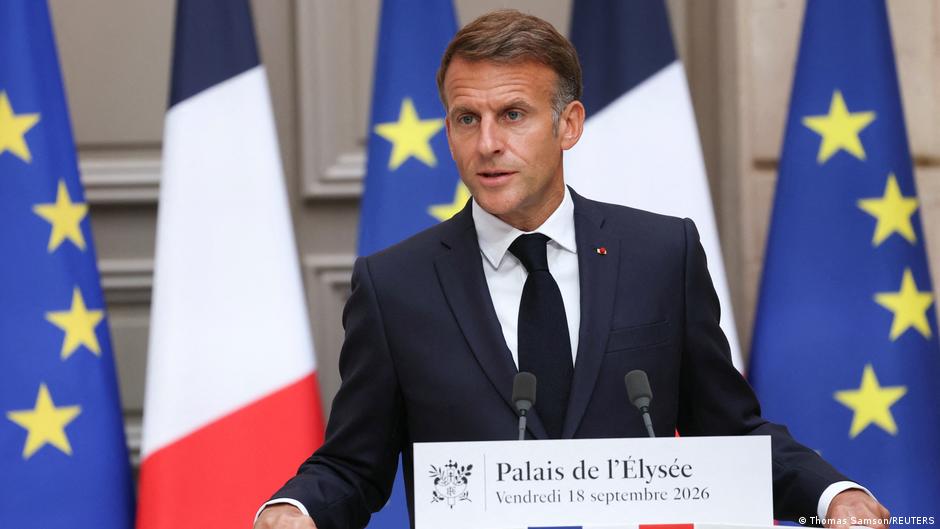
French President Emmanuel Macron has said France considers it plausible that Moscow could mobilize around 300,000 people, a scenario that would carry implications well beyond the battlefield and into Europe’s political, economic and corporate risk environment.
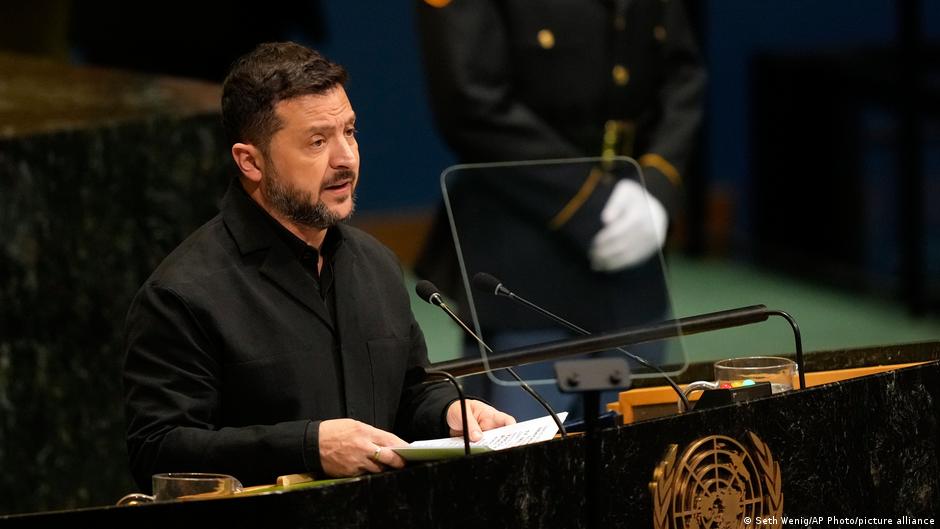
Speaking on Thursday, September 24, on TF1 and France 2, Macron said Russia appeared to have waited until after its parliamentary elections, held from September 18 to 20, before moving toward such a step. He said it remained unclear whether any mobilization would be publicly announced or conducted in a concealed way.
“They waited for their elections, the elections have passed, and today it is clear that Russia will do this,” Macron said.
The French president added that there had been “several signs” indicating Russia was preparing for such a move. He described the scenario as one France views as credible, referring to intelligence assessments from the United States, Europe and Ukraine.
For European governments and businesses, Macron’s remarks point to a broader strategic shift: the war in Ukraine is no longer being treated only as a military conflict on Europe’s eastern flank, but as a prolonged pressure campaign affecting infrastructure, information systems, public confidence and the operating environment for companies across the continent.
Hybrid Pressure Becomes a Boardroom Issue
Macron warned that “hostile actions across Europe have intensified” in recent weeks. He said he had convened representatives of France’s political forces the previous week to alert them to the evolution of the threat and its potential consequences inside France.
The French leader framed Europe’s vulnerability through Russia’s view of the continent’s role in the war. According to Macron, Moscow sees Europe as Ukraine’s “strategic rear” because European countries support Kyiv. He also linked this perception to Ukrainian strikes on oil refineries and other targets in Russia, which he said are aimed at forcing Moscow to end the war.
“And therefore Europe can become a target,” Macron said, noting that attacks are being carried out in the information sphere through the spread of falsehoods and in cyberspace.
That assessment is especially significant for companies managing cross-border operations, supply chains, energy exposure and digital infrastructure. If Russia treats Europe as part of Ukraine’s strategic depth, then corporate assets may become more exposed to indirect pressure, including cyberattacks, sabotage risks, disinformation and disruptions involving critical infrastructure.
Macron had previously said on September 18 that France was preparing a plan to protect critical infrastructure amid a growing threat of hybrid attacks from Russia. The business implications of such a plan are substantial. Protection of energy networks, transport systems, telecommunications, logistics hubs and data infrastructure increasingly requires coordination between governments and private operators.
Competitive Landscape Shifts for Security and Infrastructure Firms
The changing threat environment may also reshape competitive dynamics in sectors tied to resilience and national security. Cybersecurity providers, infrastructure operators, defense contractors, telecom companies, cloud platforms and energy firms are all likely to face closer scrutiny from regulators and customers as governments raise their alert levels.
For management teams, the strategic challenge is not limited to compliance. Companies operating in Europe may need to reassess incident response planning, redundancy, vendor concentration, employee training and exposure to politically sensitive assets. The potential for unreported cyberattacks and breaches also complicates risk pricing and insurance coverage.
The source article notes that while Russia had previously been accused of election interference and using migrants as a pressure instrument against Europe, European intelligence services now suspect a Russian connection in acts of sabotage, arson, attacks on critical infrastructure and airspace violations.
Sources cited in the article said many incidents, especially cyberattacks and hacks, are not publicly disclosed. As a result, the scale of Russia’s hybrid attacks may be significantly larger than what is visible in public reporting.
That lack of transparency creates a difficult environment for corporate decision-making. Investors and executives typically rely on disclosed incidents, regulatory filings and public risk assessments to judge exposure. If a substantial portion of hostile activity remains undisclosed, companies may underestimate operational vulnerabilities and governments may face pressure to improve information-sharing with the private sector.
Macron’s comments also come as European leaders weigh how to sustain support for Ukraine while limiting domestic exposure. The prospect of a Russian mobilization of around 300,000 people would suggest a longer conflict horizon and potentially higher military, economic and political costs for Europe. For businesses, that means geopolitical risk is likely to remain a standing management concern rather than a temporary external shock.
The strategic message from Paris is clear: Europe’s support for Ukraine has made the continent part of Moscow’s wider conflict calculus. Whether through overt mobilization, covert pressure or hybrid attacks, the risks now extend into the systems that underpin European economies. For corporate leaders, resilience is becoming less a technical function and more a central component of business strategy.