Russia Rules Out Negotiating Pause as Lavrov and Rubio Meet in New York
Moscow signaled it will keep military pressure on Ukraine while presenting itself as open to talks on a settlement.
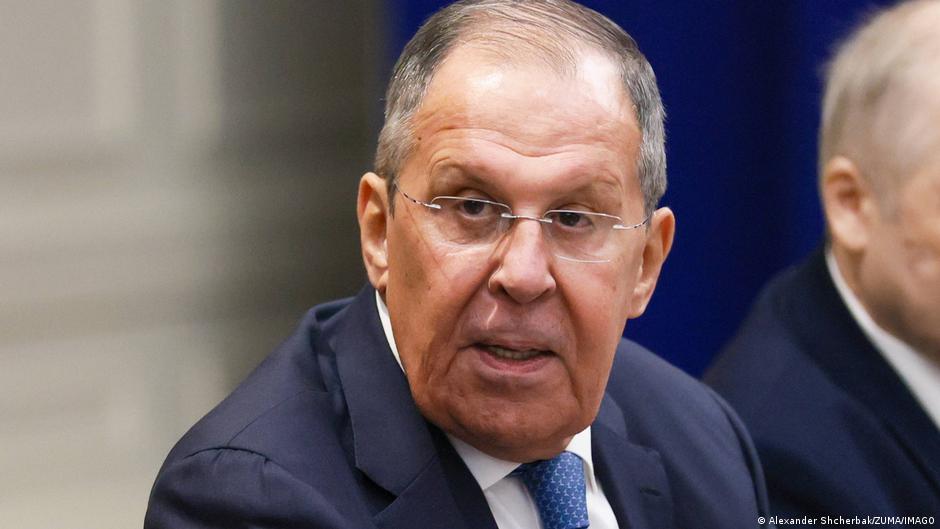
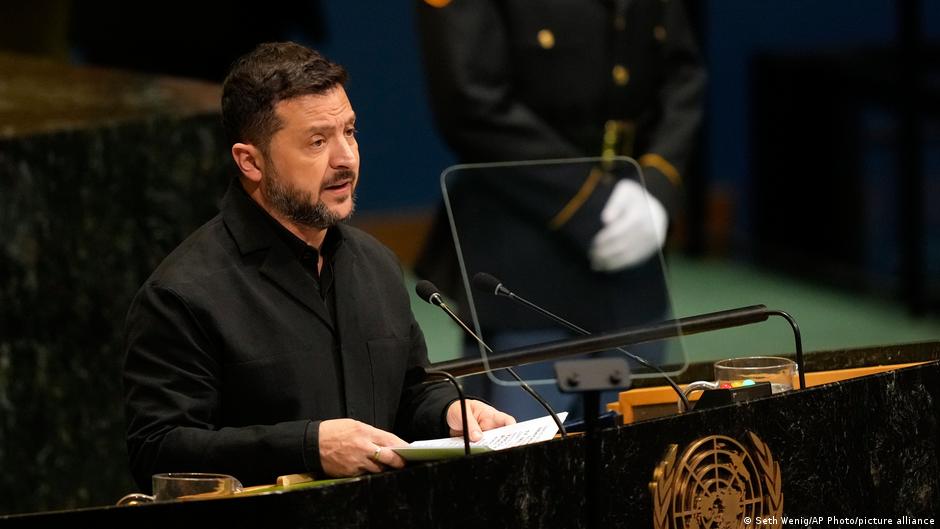
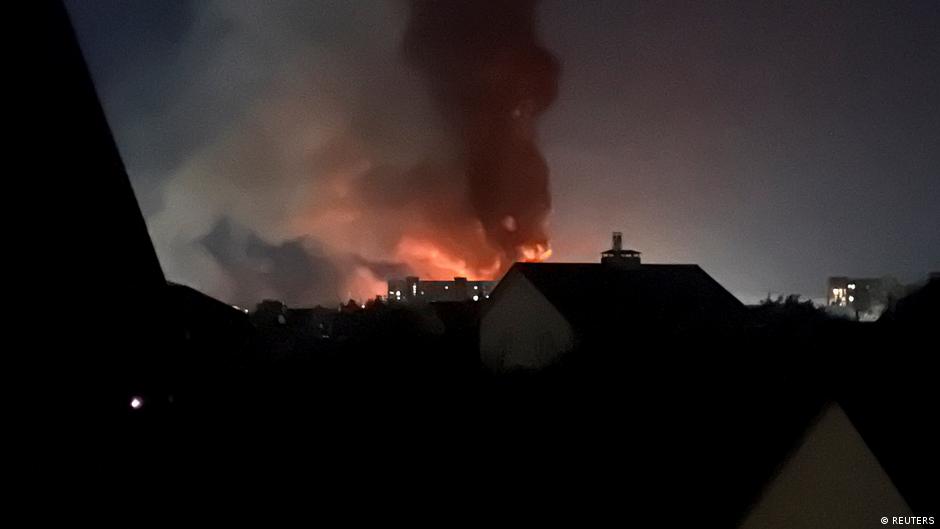
Russia has ruled out any pause in its military campaign for negotiations with Ukraine, sharpening the strategic message behind Moscow’s diplomacy at the United Nations as its forces continued strikes on Kyiv. The position, stated by Russian Foreign Minister Sergey Lavrov in New York on Wednesday, September 23, underscored a familiar negotiating posture: Russia says it is prepared for talks, but not on terms that would create operational breathing space for Ukraine or its Western backers.
Lavrov made the comments during a meeting of the UN Security Council, where the war in Ukraine again intersected with broader questions of European security, U.S. diplomacy and the durability of Western military support for Kyiv. According to Russia’s Foreign Ministry, Lavrov argued that Moscow would not agree to a “pause” in any negotiation format with Ukraine.
“Although Europe wants exactly this, with the same simple aim of getting a respite and replenishing the depleted military arsenals of the Kyiv regime,” Lavrov was quoted by the Russian Foreign Ministry as saying.
The statement is important less as a tactical remark than as a management signal from Moscow’s foreign policy apparatus. Russia is attempting to frame any ceasefire or pause as a Western procurement strategy rather than a humanitarian or diplomatic step. In corporate terms, the Kremlin is rejecting a standstill agreement because it believes its counterpart would use the interval to recapitalize, reorganize and return to the contest with stronger resources.
A Negotiating Position Built Around Leverage
Lavrov’s remarks came as he met U.S. Secretary of State Marco Rubio on the sidelines of the UN General Assembly in New York. The meeting lasted about an hour, according to Interfax, and marked the fifth meeting between the foreign ministers of the two countries since 2025. That cadence suggests that, despite public confrontation, both Washington and Moscow are maintaining a working channel at senior level.
For business readers, the dynamic resembles a high-stakes restructuring negotiation in which both sides keep communication open while refusing to suspend pressure. Russia’s refusal to pause hostilities indicates that Moscow views battlefield momentum, or at least the continued ability to impose costs, as a core asset in any eventual settlement. By continuing strikes while discussing diplomacy, Moscow is integrating military pressure into its negotiating position rather than treating talks and operations as separate tracks.
Lavrov’s formulation that Russia is ready for negotiations aimed at a “sustainable just peace” also preserves strategic ambiguity. The phrase signals openness without defining the concessions, sequencing or security arrangements that would make such a settlement possible. That ambiguity allows Moscow to claim diplomatic availability while maintaining room to reject proposals it considers unfavorable.
Rubio, for his part, again said at the UN General Assembly that Washington was prepared to play a constructive role in achieving a ceasefire. That language places the United States in the role of potential broker, but not necessarily guarantor of an immediate breakthrough. The gap between a ceasefire initiative and Russia’s refusal to pause for negotiations remains the central operating constraint.
U.S. Outreach and the G20 Variable
The diplomatic backdrop extends beyond Ukraine. Rubio earlier said the United States had invited Russian President Vladimir Putin to attend the G20 summit scheduled for December in Miami. He explained the invitation by saying that solving problems requires meeting with people with whom there are disagreements or tensions.
Rubio also said the Miami summit could provide Putin with an opportunity to meet U.S. President Donald Trump and other world leaders, adding that Washington hoped the Russian leader would accept the invitation. The invitation, if acted upon, would create a major diplomatic platform at a moment when Russia is seeking to avoid isolation while preserving freedom of action in Ukraine.
From a competitive landscape perspective, the G20 invitation matters because it tests how far major powers are willing to separate geopolitical conflict from forum-based engagement. For Moscow, a Miami appearance would have reputational value: it would show that Russia remains part of top-tier international decision-making despite the war. For Washington, the invitation reflects a calculation that direct engagement can be useful even when relations are strained.
That calculation carries risk. Any high-profile meeting involving Putin and Trump would be scrutinized by Ukraine, European governments and domestic political constituencies in the United States. It could be seen either as pragmatic dealmaking or as a concession of status to Moscow while Russian strikes continue. The commercial analogy is a contested merger negotiation in which the parties keep returning to the boardroom even as one side continues aggressive market action outside it.
Europe’s Strategic Dilemma
Lavrov’s criticism of Europe points to a broader Russian assessment of the war’s supply chain. By focusing on depleted arsenals, Moscow is emphasizing the industrial and budgetary burden of sustaining Ukraine. The argument is designed to cast European support not as stable long-term backing, but as an undercapitalized effort in need of a pause.
For European governments, that framing is a challenge. If they push for a ceasefire, Moscow presents it as evidence that the West needs time to rearm Ukraine. If they continue military assistance without a pause, they face mounting fiscal, production and political pressures. Russia’s public messaging is therefore aimed not only at Kyiv or Washington, but also at European decision-makers managing defense procurement, coalition politics and public tolerance for prolonged conflict.
At the same time, Russia’s position narrows the immediate diplomatic pathway. A ceasefire normally functions as a confidence-building step, but Moscow is signaling that it sees such a step as materially advantageous to its opponents. That makes any negotiation more likely to depend on broader political terms rather than a simple halt in fighting.
The New York exchanges show that the war’s diplomacy is now operating on several linked tracks: UN messaging, U.S.-Russia ministerial contact, possible G20 engagement and continued military pressure in Ukraine. For corporate strategists watching geopolitical risk, the key takeaway is that neither side is treating diplomacy as a substitute for leverage. The talks continue, but Moscow’s latest message is that it will not stop the campaign simply to create room for them.