U.S. Defense Department Launches Ongoing Declassification of UFO Files in Coordinated Government Effort
Pentagon initiates continuous public release of UFO-related documents to support expert analysis amid persistent uncertainty.
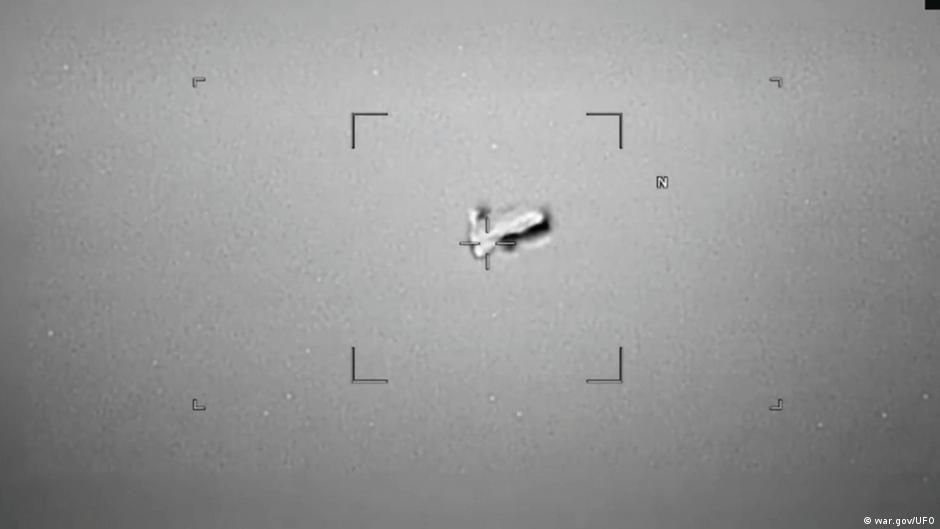
In a significant move towards transparency and public engagement, the U.S. Department of Defense (DoD) has begun publishing a collection of declassified files related to Unidentified Aerial Phenomena (UAP) and Unidentified Flying Objects (UFOs). This initiative, launched on May 8, 2024, represents an unprecedented coordinated effort involving multiple government agencies to open these archives to the public for analysis.
Strategic Coordination and Historical Scope of the Initiative
The newly created section on the Pentagon’s official website currently hosts 161 files comprising photographs, PDFs, and video footage sourced from the DoD’s own archives as well as databases maintained by the FBI, NASA, and the U.S. State Department. These materials span several decades, with some videos recorded as recently as January 2026.
According to Pentagon officials, the project is a "historic initiative" necessitating coordination across dozens of government bodies and the review of millions of documents—many of which only exist in physical form. The department plans to release additional files every few weeks on an ongoing basis as they are identified and cleared for declassification.
Participating entities include the White House, Office of the Director of National Intelligence, Department of Energy, Pentagon’s office overseeing anomaly resolution, NASA, the FBI, and various intelligence agencies. This cross-agency collaboration underscores the strategic importance assigned to transparency regarding aerial anomalies, while recognizing the complex nature of the data involved.
"Since authorities have been unable to draw definitive conclusions about the nature of the observed phenomena, the Department of Defense supports the analysis of the released data by the public and experts," Pentagon representatives stated.
Background and Implications for Public and Corporate Engagement
The decision to publicize these sensitive materials followed a February 2024 directive from then-President Donald Trump, motivated by "enormous public interest" surrounding UAPs and UFOs. The announcement sparked a renewed wave of public and media attention on the topic, which had already gained traction due to remarks made by former President Barack Obama.
Obama’s comments on a podcast, where he acknowledged the theoretical existence of extraterrestrials while dismissing conspiracy theories about secret government containment, went viral, fueling debate. Subsequently, he clarified that during his administration, no evidence confirmed extraterrestrial contact with humanity. Likewise, official Pentagon statements in 2022 and 2024 reiterated the absence of verified proof supporting alien visitation claims.
For business leaders and strategic analysts, this development reflects a broader trend of governmental openness that may influence public policy, technology development, and national security considerations. The ongoing release of these files could affect industries ranging from aerospace and defense to data analytics and cybersecurity, as companies and experts gain access to historical and contemporary government data on aerial anomalies.
Furthermore, the DoD’s initiative exemplifies a management and operational strategy that balances transparency with security, leveraging interagency cooperation to handle complex information ecosystems. The commitment to regular data releases also signals an adaptive approach to public engagement and data management in sensitive domains.