Austria Plans to Extend Mandatory Military Service Amid Heightened Security Concerns
Austrian coalition agrees on extending conscription to nine months with enhanced training and benefits to strengthen national defense capabilities.
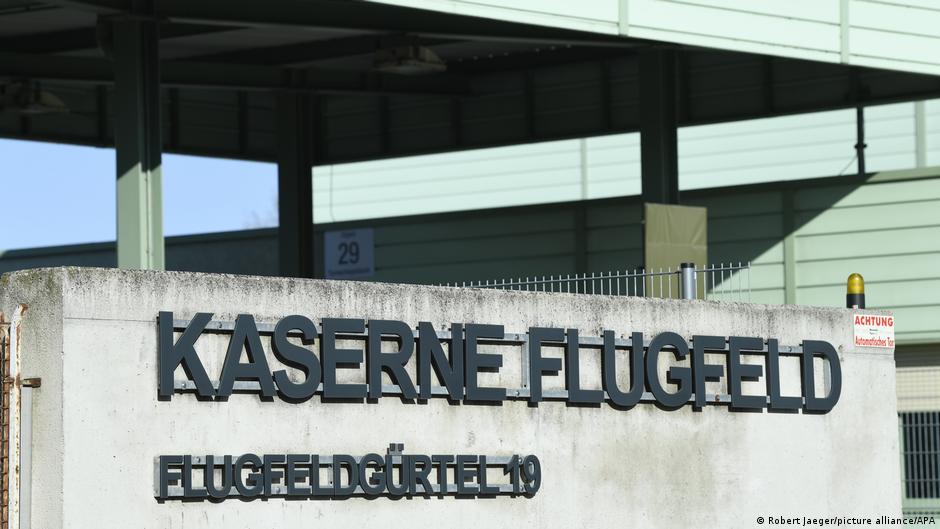
Austria is set to extend the duration of its mandatory military service from six to nine months, a move driven by evolving security challenges in Europe. The governing coalition, comprising the Austrian People's Party (ÖVP), the Social Democratic Party (SPÖ), and the liberal Neos party, has reached a consensus on the reform, which now awaits parliamentary approval.
Strategic Rationale and Reform Details
The planned reform introduces compulsory field exercises following the initial six-month basic training. Unlike the current model, conscripts will be required to participate in periodic training for up to ten years, ensuring sustained readiness within the militia framework. The phased approach aligns with recommendations from an expert commission tasked with evaluating Austria's defense posture.
"It is insufficient to merely procure new equipment if our soldiers do not have adequate practical experience with it during emergencies," stated Federal Chancellor Christian Schalkinger, emphasizing the need for operational competence alongside modernization.
To enhance the attractiveness of military service, the reform proposes increased compensation, raising monthly pay to approximately €1,000. Additionally, conscripts will receive paid leave days, aiming to improve recruitment and retention amid a competitive labor market.
The reform's timing reflects Austria’s response to the deteriorating European security environment following Russia’s invasion of Ukraine, as well as emerging threats from cyberattacks, hybrid warfare tactics, and vulnerabilities in critical infrastructure.
Political and Legislative Considerations
The coalition government intends to secure a two-thirds majority in parliament by gaining support from opposition parties, including the Freedom Party of Austria (FPÖ) and the Greens. This supermajority is essential to enact the constitutional amendments required for the reform.
Should the parliament approve the changes, the new provisions will take effect on January 1, 2027. Notably, the current nine-month civil service option remains unchanged initially. Starting in 2027, civil service participants may voluntarily extend their term by two months, with compulsory extensions introduced in 2028 if conscription quotas are not met.
Implications for Austria’s Defense Strategy and Corporate Landscape
Austria maintains a stance of military neutrality and is not a NATO member. Nevertheless, the decision to lengthen conscription reflects a strategic pivot toward bolstering national defense capabilities in an uncertain geopolitical climate. This initiative may stimulate domestic defense industries by creating demand for training infrastructure, simulation technologies, and military equipment tailored to prolonged conscription cycles.
Furthermore, enhanced military readiness could influence corporate risk assessments, particularly for critical infrastructure operators and cybersecurity firms, as the government aims to mitigate hybrid and cyber threats through improved defense preparedness.