UK Revokes Accreditation of Russian Diplomat Amid Escalating Diplomatic Tensions
London responds to Moscow’s expulsion of British diplomat by withdrawing a Russian diplomat’s accreditation, signaling deepening diplomatic rift.
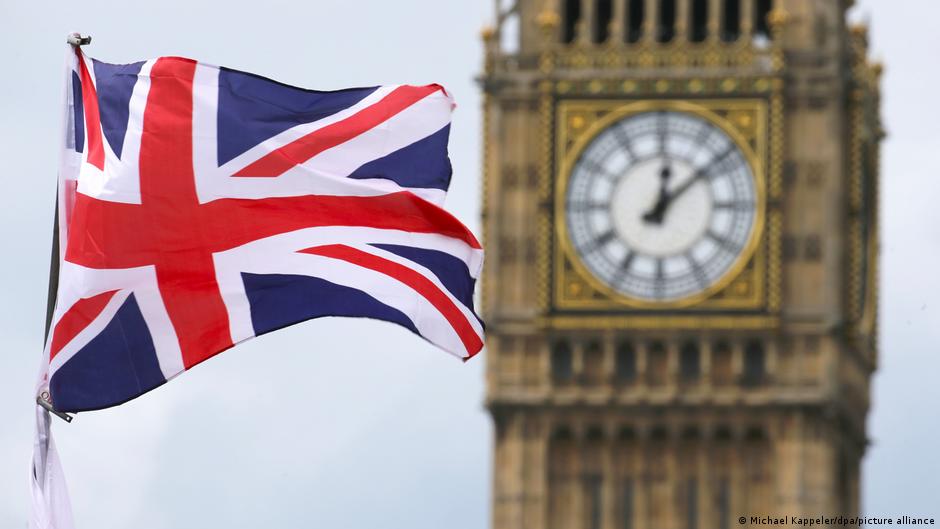
The United Kingdom’s Foreign, Commonwealth & Development Office (FCDO) has summoned Russia’s ambassador to London, Andrey Kelin, following the withdrawal of accreditation from a Russian diplomat in London. This move comes as a direct response to Moscow’s recent expulsion of a British diplomat accused of espionage.
The British government condemned Russia’s action to expel the UK diplomat, labeling it "unjustified" and part of a broader pattern of "aggressive behavior" aimed at undermining diplomatic efforts. In a statement on April 29, the UK government emphasized that such actions and the accompanying public denigration campaigns against its personnel are "completely unacceptable" and vowed not to tolerate intimidation or harassment of its diplomatic staff.
Strategic Diplomatic Retaliation Amid Rising Political Hostilities
As part of the tit-for-tat diplomatic escalation, the UK declared it would take "reciprocal measures" by withdrawing the accreditation of a Russian diplomat based in London. Officials warned that any further provocations from Moscow would be interpreted as an escalation and met with a strong and proportionate response.
“We will not tolerate the intimidation or harassment of our diplomatic staff,” a UK government spokesperson stated.
The incident follows a March 30 announcement by Russia’s Federal Security Service (FSB), which accused Jansen Van Rensburg, a second secretary at the UK embassy in Moscow, of intelligence and subversive activities threatening Russia’s security. Consequently, the Russian Foreign Ministry revoked Van Rensburg’s accreditation and ordered him to leave Russia within two weeks.
The UK Foreign Office rejected these accusations as "completely unacceptable," reiterating its commitment to protecting its embassy staff and their families from coercion or intimidation.
This diplomatic tit-for-tat is not new. Earlier in January, Russia revoked the accreditation of Davis Garrett Samuel, a 45-year-old British embassy official in Moscow, who was accused by the FSB of being an unregistered intelligence operative.
The ongoing exchange of diplomatic expulsions underscores a broader deterioration in UK-Russia relations, with both sides leveraging diplomatic personnel decisions as tools within their wider geopolitical and intelligence contests.
Implications for Corporate Strategy and International Relations
These diplomatic tensions have significant implications beyond political rhetoric. For multinational corporations and investors, the rising hostility between London and Moscow introduces increased geopolitical risk, potentially impacting cross-border partnerships, investments, and operational stability in both markets. Companies engaged in sectors sensitive to government relations, such as energy, finance, and technology, will need to monitor these developments closely to recalibrate risk assessments and strategic approaches.
Moreover, the pattern of reciprocal expulsions reflects a deteriorating trust environment that could hinder cooperation on broader issues, including trade negotiations, cybersecurity, and international sanctions enforcement.
In this context, management teams operating in or with interests in Russia or the UK should prepare for an increasingly complex geopolitical landscape where diplomatic disputes could directly affect regulatory environments, market access, and operational continuity.