US to Significantly Scale Down Military Presence in Germany, Trump Confirms
President Trump announces plans to reduce US troop levels in Germany well beyond prior estimates, signaling a shift in US military strategy in Europe.
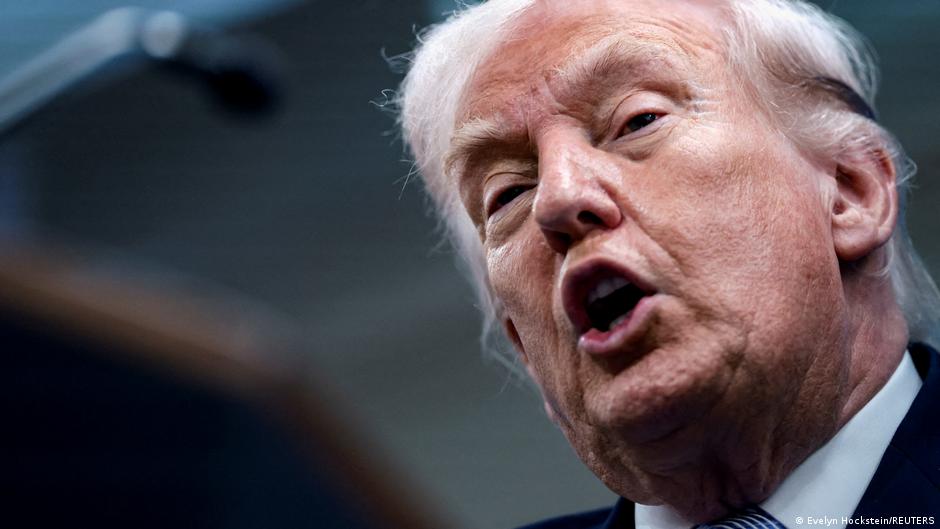
The United States plans to substantially reduce its military presence in Germany, with troop withdrawals exceeding the previously announced figure of 5,000 soldiers. President Donald Trump confirmed the decision during a press briefing in Florida on May 3, emphasizing that the reduction would be significantly larger than earlier disclosed.
Strategic Implications of Troop Drawdown
Earlier directives from the US Department of Defense mandated the withdrawal of approximately 5,000 troops, representing about one-seventh of the total American military personnel stationed in Germany. However, President Trump’s recent statement outlined intentions to cut troop numbers by a considerably greater margin, signaling a fundamental shift in US military posture on the European continent.
"We will reduce the number by far more than 5,000 American soldiers," Trump stated, highlighting dissatisfaction with the strategic environment and allied support, particularly referencing Spain and Italy. The president expressed frustration with these countries, criticizing their support in the ongoing US and Israeli conflict with Iran.
"Italy hasn’t helped us at all, and Spain has been terrible, absolutely terrible," Trump added, underscoring a broader reassessment of US alliances and forward deployment commitments.
"We will reduce the number by far more than 5,000 American soldiers." — President Donald Trump
This announcement follows heightened tensions and disagreements between US leadership and European allies, exemplified by a recent exchange with German Chancellor Friedrich Merz. Merz criticized the US for a perceived lack of coherent strategy in the conflict with Iran, to which Trump retorted by accusing the German leader of supporting Iran’s nuclear ambitions.
NATO Response and Ongoing Coordination
In response to the announcement, NATO spokesperson Allison Hart affirmed ongoing cooperation with the United States to understand the operational details of the troop reduction in Germany. Hart emphasized NATO’s commitment to maintaining deterrence and defense capabilities during this transitional period.
"We continue to be confident in our ability to ensure deterrence and defense as we move toward a stronger Europe within a stronger NATO," Hart said via social media on May 2.
The Pentagon also confirmed that the troop withdrawal is expected to take place over six to twelve months following a comprehensive review of US military presence in Europe. According to Department of Defense data, as of December 2025, approximately 68,000 US troops were stationed across European bases, with more than half—about 36,400—deployed in Germany. The US maintains roughly 20 military installations primarily in southern and southwestern Germany, a significant reduction from the Cold War peak of 250,000 troops stationed in 1985.
Corporate and Geopolitical Considerations
From a strategic and business perspective, this substantial troop drawdown reflects a reevaluation of US defense commitments and resource allocation in Europe. The move impacts defense contractors, logistics providers, and local economies tied to US military bases in Germany and potentially other allied countries.
Moreover, the threat of troop reductions in Spain and Italy compounds the shifting competitive landscape among NATO members and US defense strategy. The uncertainty surrounding the US commitment to European security may catalyze adjustments in alliance dynamics, defense spending, and procurement decisions across the region.
Notably, despite previous threats during his first term, troop levels in Germany had increased until now, marking this announcement as a more definitive pivot. However, Congressional constraints on the executive branch’s authority to withdraw troops add complexity to the implementation of these plans.
Businesses and policymakers alike will be monitoring the unfolding developments, as realignments of military presence often reverberate through defense contracts, regional security frameworks, and geopolitical risk assessments.