Drone and Missile Strikes Hit Russian Refining and Industrial Assets
Attacks on Syzran, Taganrog and other regions highlight rising operational risks for Russian energy, logistics and defense-linked enterprises.
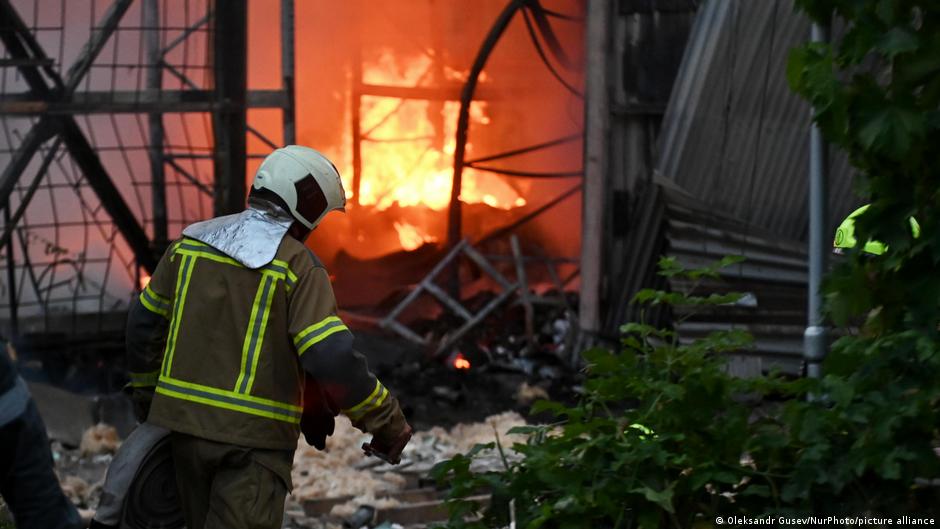
A wave of overnight Ukrainian drone and missile attacks struck industrial and civilian infrastructure across several Russian regions, damaging sites that sit at the intersection of energy production, logistics and defense-related manufacturing. The reported incidents included a fire at the Syzran oil refinery in the Samara region and missile strikes in Taganrog, where local authorities said an Ozon warehouse and other facilities were damaged.
The attacks, reported after the night of Monday into Tuesday, September 15, add to the operational pressure on Russian industrial groups already exposed to wartime disruption, air-defense constraints and the strategic targeting of energy and military-adjacent assets. For companies such as Rosneft, logistics operators and regional industrial enterprises, the latest strikes underscore a business environment in which physical infrastructure risk is no longer episodic but recurring.
Refining Capacity Under Renewed Pressure
In the Samara region, governor Vyacheslav Fedorishchev confirmed damage at “one of the industrial enterprises” following a drone attack on Tuesday morning. He said military units and mobile fire groups had spent the night intercepting Ukrainian drones and that more than 40 unmanned aircraft had been hit in total. According to the governor, there were no deaths, while windows were broken in several residential buildings. An operational headquarters was working in the region.
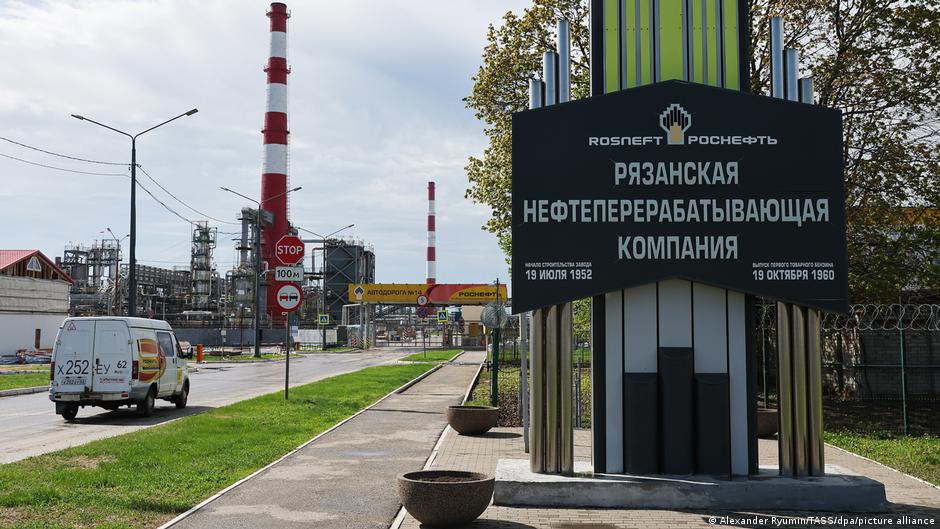
Ukrainian monitoring channel Exilenova+ identified the target as the Syzran oil refinery, which is part of Rosneft’s structure, and said an oil tank caught fire as a result. The outlet Astra said OSINT analysis confirmed that information, adding that at least one of the fire sites was located within the refinery’s tank farm. The Syzran refinery has repeatedly been targeted by Ukrainian forces and is one of the largest oil-refining enterprises in the Samara region.
For Rosneft and the wider Russian downstream sector, repeated attacks on refinery infrastructure raise questions beyond immediate fire suppression and repair costs. Tank farms, processing units and associated logistics links are critical for throughput, storage flexibility and product distribution. Even when casualties are avoided and official statements limit the description of damage, repeated disruption can complicate maintenance planning, insurance assumptions, staffing routines and the allocation of air-defense resources around industrial sites.
Regional authorities said more than 40 drones were hit overnight in the Samara region and that there were no deaths.
The incident also reinforces a pattern in which refineries have become prominent targets because of their strategic value. Energy assets support both domestic supply chains and broader state revenue flows, while refinery outages can impose costs that ripple through transport, agriculture and industrial consumers. The source article did not provide production figures, damage estimates or repair timelines, but the location and recurrence of the strike are commercially significant in themselves.
Taganrog Damage Broadens the Corporate Risk Map
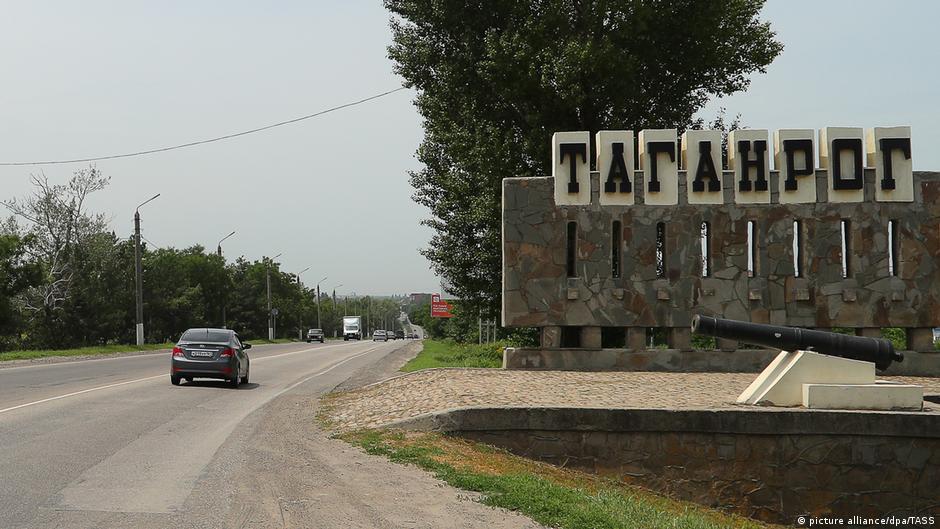
The same night, strikes were recorded in Taganrog. Rostov region governor Yuri Slyusar described a massive missile attack that caused “multiple consequences on the ground.” He said several fires broke out and that there were no injured or dead. According to the governor, the missile attack damaged an Ozon warehouse, warehouses belonging to agricultural enterprises, a grocery store, glazing in two apartment buildings and three private homes, an educational institution, a commercial building and a gas pipe.
Slyusar later wrote that, while repelling the attack on the Rostov region, more than 30 drones and missiles were destroyed in Taganrog and nine districts of the region. Firefighting was continuing in Taganrog, he added.
From a business perspective, the Taganrog reports point to a widening exposure set. Damage to an Ozon warehouse brings a major consumer logistics platform into the impact zone of wartime strikes, while affected agricultural warehouses and local commercial properties illustrate how disruption can spread beyond intended or suspected military targets. The direct financial effect on any one company was not detailed, but warehouse damage can affect inventory, fulfillment schedules, labor deployment and regional delivery reliability.
Ukrainian monitoring channels said the primary targets were the Beriev Taganrog Aviation Scientific and Technical Complex and the Taganrog Automobile Plant, known as TagAZ, which they said is used for military purposes. If those reports are accurate, the strikes would fit a strategy focused on constraining Russia’s defense-industrial capacity and military support infrastructure. The official Russian regional account, however, emphasized damage to warehouses, homes, a store, public and commercial buildings, and a gas pipe.
Regional Spillovers and Air-Defense Burden
Exilenova+ also wrote that a missile danger alert had been declared overnight in the Volgograd region and that explosions were heard at the Sebryakovsky cement plant in the city of Mikhailovka. At the same time, neither regional authorities nor Russia’s Defense Ministry reported the destruction of drones or missiles over that region.
In the Voronezh region, authorities announced a drone threat. Governor Alexander Gusev later wrote that 16 drones had been destroyed “in the sky over Voronezh and seven districts of the region.” He said that, as a result of falling drone debris in one municipality, glazing, roofs and facades were damaged at four private homes. According to preliminary information, there were no casualties.
Russia’s Defense Ministry, as the full-scale war against Ukraine continues into its fourth and a half year, reported the destruction of 222 Ukrainian fixed-wing drones over the Oryol, Belgorod, Voronezh, Tula, Tambov, Bryansk, Rostov, Kursk, Lipetsk, Ryazan, Saratov, Samara, Kaluga and Ulyanovsk regions, the Republic of Tatarstan, annexed Crimea and the Black Sea.
The scale of that claimed interception effort points to a management challenge for Russian authorities and companies alike. Industrial operators must make decisions about continuity planning, worker safety, storage practices and emergency response under conditions where attacks may be geographically dispersed and simultaneous. For regional governments, public messaging must balance reassurance with operational secrecy and the visible reality of damaged property.
Strategic Signals Amid Talk of an Energy Truce
The strikes came shortly after U.S. President Donald Trump said Ukraine and Russia were ready to stop mutual attacks on energy facilities. Ukrainian President Volodymyr Zelensky later confirmed on Telegram that Kyiv agreed to an energy ceasefire if Russia complied with it. Moscow did not comment on Trump’s remarks.
That diplomatic backdrop matters for corporate strategy because energy infrastructure has become both an economic asset class and a bargaining instrument. Companies operating refineries, logistics hubs, industrial plants and defense-linked facilities face uncertainty not only about future attacks but also about whether any proposed limitation on strikes would be implemented, monitored or sustained.
For now, the latest reports show that Russia’s industrial base remains exposed across several layers: refining assets tied to Rosneft, logistics infrastructure connected to consumer commerce, agricultural storage, possible defense-industrial targets and civilian property surrounding them. The absence of reported deaths in the affected regions reduces the immediate human toll, but the business implications are larger than any single night of damage. The pattern suggests that operational resilience, asset dispersion and emergency coordination are becoming central management issues for Russian enterprises operating within reach of the war.