Zelensky Links Energy Truce to U.S. Ability to Secure Russian De-escalation
Ukraine says it is prepared to halt strikes on energy infrastructure if Washington can demonstrate Moscow is genuinely ready to end the war.
Ukrainian President Volodymyr Zelensky has signaled that Kyiv is prepared to support a U.S.-backed halt to mutual strikes by Ukraine and Russia on energy infrastructure, but only if Washington can secure evidence that Moscow is genuinely ready to stop the war. The statement places the latest ceasefire proposal squarely in the realm of strategic bargaining, where energy assets, fuel prices and winter leverage have become central to the calculations of governments and markets alike.
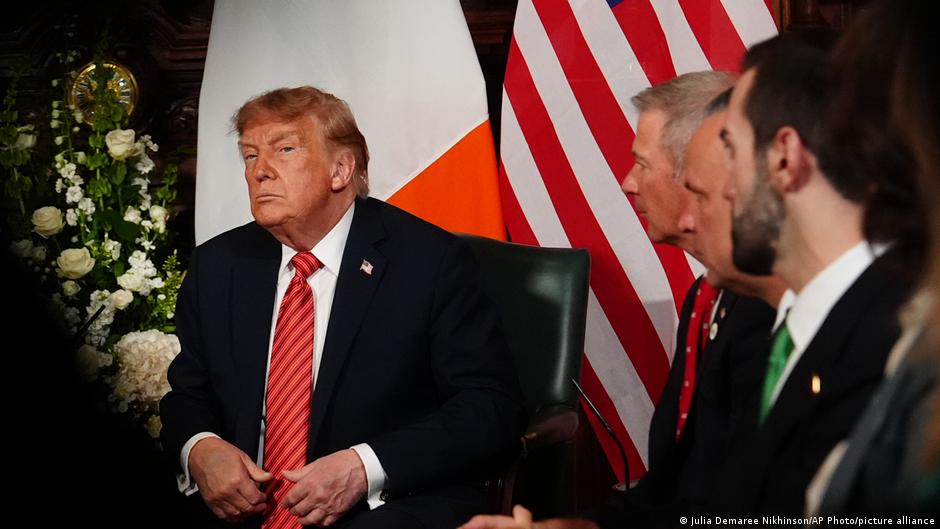
In his evening video address to Ukrainians on Monday, September 14, Zelensky said Kyiv could accept the proposed de-escalation if it became a first step toward a broader reduction in hostilities. His response followed a statement by U.S. President Donald Trump, who said on Truth Social earlier the same day that Russia and Ukraine had agreed to stop attacking each other’s energy infrastructure.
“If this can become the first step toward de-escalation — a step that includes Russia ending strikes on our critically important infrastructure and our reciprocal strikes — then Ukraine is ready to support de-escalation,” Zelensky said.
For Kyiv, the conditional language is significant. Zelensky did not present the proposal as a simple operational pause, but as a test of whether the United States can influence Russia’s conduct and whether Moscow is prepared for a durable shift. He said Ukraine would take steps toward de-escalation only if Washington ensures Russia’s real readiness to end the war.
Energy Infrastructure as Strategic Leverage
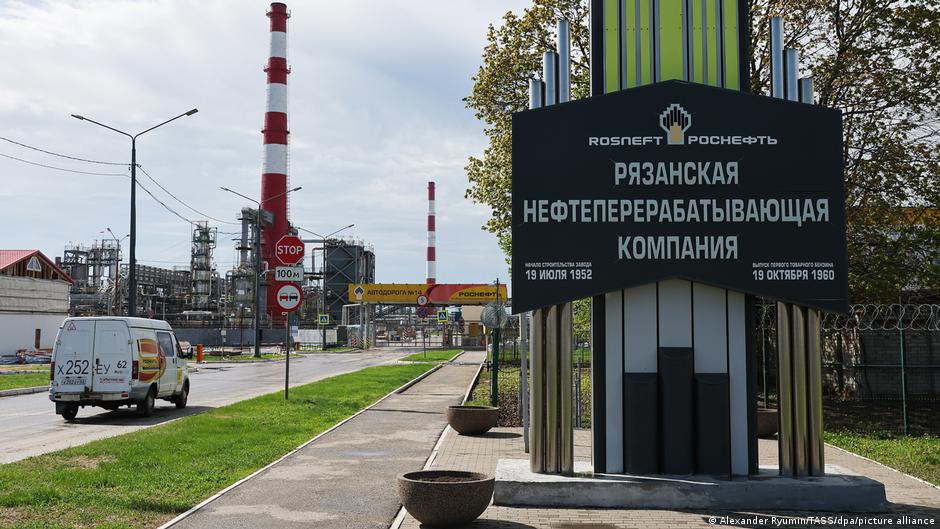
The proposal comes as energy infrastructure remains one of the most economically sensitive fronts of the war. Strikes on power generation, fuel logistics and related systems have direct effects on military capacity, civilian resilience and commodity markets. For governments and companies exposed to fuel supply chains, shipping, industrial energy costs and regional power stability, even a limited truce could alter risk assumptions heading into winter.
Trump linked global diesel price increases “mostly” to the war between Russia and Ukraine, rather than to the United States and Iran. The remark underlines the business stakes of the conflict: diesel remains essential to freight, agriculture, construction and industrial activity, and price pressure can travel quickly through operating costs and consumer prices. A reduction in attacks on diesel and energy infrastructure could therefore be marketed as a practical economic stabilization measure, not merely a diplomatic gesture.
Yet Zelensky’s response suggests that Kyiv is wary of a narrow arrangement that freezes one part of the battlefield while allowing Russia to retain broader strategic advantages. He said that “so far, no one has seen a real desire by Russia to move toward ending the war,” and added that Ukraine expects specifics from its partners. “A strong, fair decision is needed, and not for ‘elections,’ but for the long term,” he said.
That reference points to the management challenge facing Ukraine’s leadership: any concession or operational restraint must be explainable to domestic audiences, military planners and international supporters as part of a credible long-term settlement, rather than a tactical pause shaped by outside political calendars.
Washington’s Role in the Negotiating Chain
Trump’s claim that both sides had agreed to stop striking energy infrastructure has not yet been matched by an official Russian confirmation. No formal comment from Moscow had been reported in response to the White House leader’s statement. That gap matters because the proposal depends on verification, enforcement and mutual confidence — all of which are scarce in the current environment.
According to the Financial Times, citing sources familiar with the Kremlin’s position, Russian President Vladimir Putin does not intend to stop attacks on Ukraine’s energy infrastructure before winter. The report said Putin believes such strikes could increase pressure on Kyiv and push it toward concessions. In late August, Russia’s Defense Ministry said Russian armed forces were preparing new mass strikes on Ukrainian energy facilities.
For companies monitoring the region, the uncertainty is familiar: political announcements can move sentiment quickly, but operational behavior determines the real risk outlook. Energy utilities, insurers, logistics firms and commodity traders will be looking less at public messaging and more at whether attack patterns actually change, whether Moscow provides official confirmation, and whether Washington can create consequences for violations.
Trump had urged Kyiv the previous day to stop strikes on Russian diesel infrastructure, saying: “You must stop striking diesel fuel in Russia. It is hurting the whole world.” That framing shifts the discussion from battlefield reciprocity to global economic harm, a message likely intended for inflation-sensitive voters, fuel-dependent industries and international partners concerned about spillover effects.
For Ukraine, however, strikes on Russian energy and diesel infrastructure have been part of a broader effort to impose costs on Moscow and disrupt resources that support the war effort. Any halt would therefore involve a strategic trade-off: reducing pressure on global fuel markets and potentially protecting Ukrainian infrastructure, while limiting one of Kyiv’s tools for asymmetric leverage.
A Conditional Opening, Not a Settlement
The business and geopolitical implications of the proposed energy truce depend on whether it becomes an enforceable first stage of de-escalation or remains a declarative initiative. Zelensky’s position leaves room for cooperation with Washington while placing responsibility on the United States to demonstrate that Russia is not simply seeking to preserve pressure on Ukraine through the winter.
In practical terms, the proposal could test three overlapping strategies: Trump’s attempt to translate commodity-price concerns into diplomatic action, Zelensky’s effort to protect Ukrainian negotiating leverage, and Putin’s apparent calculation that energy pressure can extract concessions from Kyiv. The competitive landscape is not corporate in the conventional sense, but the logic is familiar to business leaders: leverage, timing, credibility and execution determine whether a deal creates value or simply transfers risk.
For now, Ukraine’s message is that it is open to a halt in mutual energy strikes, but not at any price and not without concrete guarantees. Until Moscow comments officially and attack patterns change, the proposal remains less a ceasefire than a high-stakes negotiation over who controls the next phase of escalation.