Canada Weighs Joining EU’s €90 Billion Ukraine Loan as Ottawa Courts Europe
Ottawa’s talks with Brussels signal a broader strategy to deepen transatlantic ties, reduce reliance on Washington and expand technology cooperation.
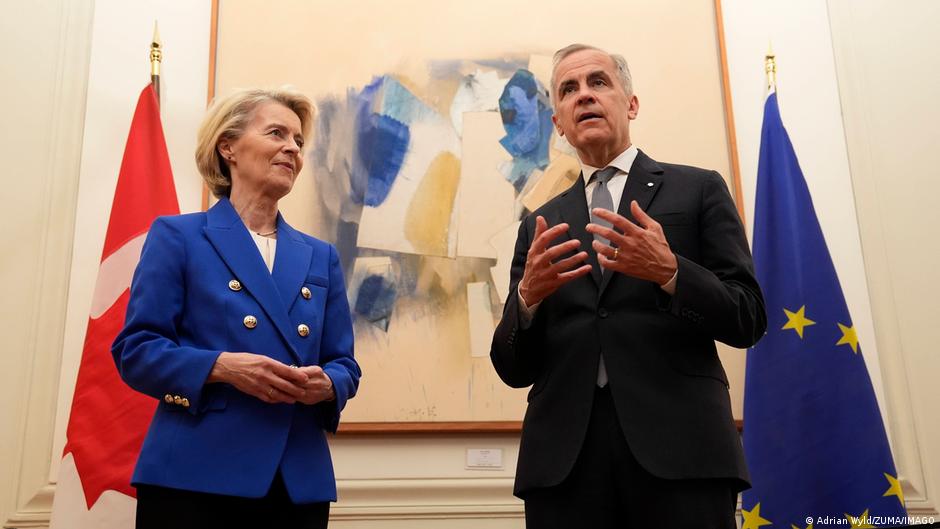
Canada is seeking to join the European Union’s €90 billion loan program for Ukraine, a move that would position Ottawa more closely alongside Brussels at a moment when Western governments are recalibrating security, trade and technology partnerships.
According to the Financial Times, which cited people familiar with the situation, Canada is in talks to participate in the EU credit facility, with both sides aiming to agree the size of Ottawa’s contribution before an EU-Canada summit scheduled for late October in Montreal. The discussions add a new financial dimension to Canada’s support for Ukraine and indicate that Prime Minister Mark Carney is using the file as part of a wider corporate-style diversification strategy for the Canadian state: reduce concentration risk with the United States and build deeper institutional links with Europe.
The proposed participation would make Canada one of the few non-EU countries attached to the loan initiative. So far, the United Kingdom remains the only country outside the bloc to have joined the program. For Canada, entering the facility would carry both geopolitical and strategic weight, reinforcing its position as a reliable partner for Ukraine while also giving Ottawa a larger role in Europe’s security architecture.
A Strategic Hedge Beyond Washington
The talks come as Carney seeks to demonstrate to European governments that Canada is committed to strengthening transatlantic relations. The Financial Times reported that his aim is partly to reduce Canada’s dependence on the United States, a central concern as Ottawa looks for support amid a trade conflict with Washington.
That approach resembles a strategic pivot familiar to business leaders operating in volatile markets: when the dominant counterparty becomes less predictable, management diversifies its alliances, supply chains and revenue channels. In Canada’s case, the “counterparty” is its largest neighbor and most important trading partner, while the diversification target is the European Union, a bloc with regulatory power, capital resources and growing defense and technology ambitions.
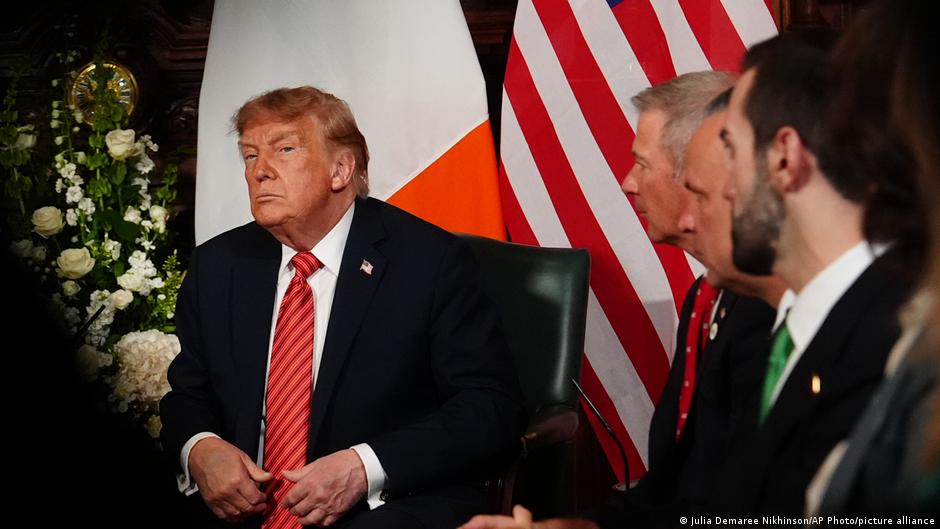
Carney’s idea, according to the Financial Times, is to create an alliance of liberal powers committed to a multilateral order damaged by U.S. President Donald Trump.
For Ottawa, joining the EU’s Ukraine loan would therefore be more than a financial contribution. It would be a signal to Brussels that Canada wants a seat closer to the center of European decision-making on security and reconstruction. It would also help Carney frame Canada as a dependable partner in a coalition of market democracies at a time when global institutions and trade arrangements are under pressure.
The timing is important. The late-October summit in Montreal gives both sides a clear deadline to shape the package and potentially announce a contribution. In diplomatic terms, that creates a transaction window: Canada can use the Ukraine loan talks to anchor a broader set of agreements with the EU, while Brussels gains another partner willing to share the financial burden of supporting Kyiv.
Ukraine Support Meets Industrial Policy
Canada has already committed significant resources to Ukraine. The Financial Times noted that Ottawa has allocated C$6.5 billion, or about US$4.7 billion, in military assistance. On September 10, Carney and Ukrainian President Volodymyr Zelensky signed a declaration on a 100-year partnership that includes cooperation in defense innovation.
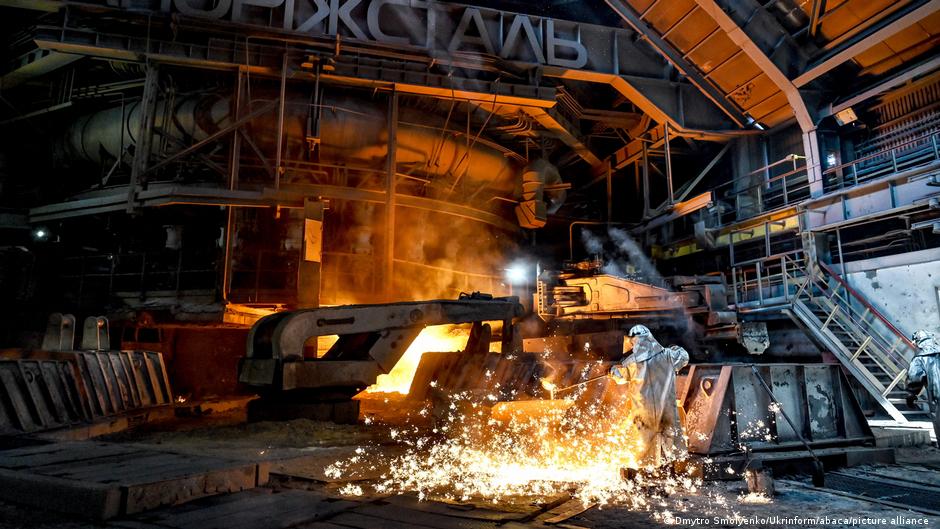
That defense innovation component is notable from a business and industrial policy perspective. Ukraine has become both a battlefield and a testing ground for new military technologies, including drones, electronic warfare and software-enabled defense systems. A long-term partnership gives Canada a channel to participate in that evolving ecosystem, potentially benefiting defense contractors, technology companies and research institutions over time.
In that context, the EU loan program could become part of a larger strategic portfolio: direct military support, long-term defense innovation cooperation, and closer alignment with European financing mechanisms. The combination would place Canada in a more active role not only in helping Ukraine sustain its war effort, but also in shaping postwar defense and reconstruction opportunities.
For European policymakers, Canadian participation would broaden the coalition behind Ukraine financing and reduce the appearance that the burden rests mainly on EU institutions and member states. For Canada, the benefit is reputational and strategic. It strengthens Ottawa’s claim to be a serious partner in European security while supporting Carney’s effort to reposition Canada’s international relationships.
Technology and Trade Deals Are Part of the Package
The Ukraine loan talks are unfolding alongside Canadian efforts to secure additional agreements with the European Union. According to the Financial Times, Canada hopes to join the EU’s supercomputer network for joint work on artificial intelligence and to sign a digital trade agreement with Brussels.
Those ambitions point to a broader competitive agenda. Access to Europe’s supercomputing network could help Canadian researchers and companies participate in advanced AI development, an area where computing capacity has become a key strategic asset. A digital trade agreement, meanwhile, could create clearer rules for cross-border data, digital services and technology commerce between Canada and the EU.
Seen together, the Ukraine financing discussions, AI cooperation and digital trade negotiations suggest that Ottawa is pursuing a multi-track relationship with Europe. The immediate driver may be support for Ukraine and friction with the United States, but the longer-term logic is economic positioning. Canada is looking for partners that can help it compete in defense technology, artificial intelligence and regulated digital markets.
The challenge for Carney will be execution. Joining the EU loan program requires agreement on Canada’s contribution, and the government will need to balance fiscal commitments abroad with domestic political and budgetary pressures. It will also have to manage the relationship with Washington while pursuing deeper ties with Brussels, a delicate act for any Canadian administration given the scale of U.S.-Canada economic integration.
Still, the direction is clear. Ottawa is treating the Ukraine crisis not only as a security obligation but as a strategic opening. By aligning with the EU on financing, defense innovation, AI infrastructure and digital trade, Canada is attempting to reshape its external partnerships for a more fragmented global economy. If the parties reach agreement before the Montreal summit, the contribution to Ukraine’s loan program could become the financial centerpiece of a wider Canada-EU reset.