Zaporizhstal Damage Deemed Critical After Third Strike in a Month
The Metinvest-owned steelmaker remains fully shut down after repeated missile attacks disrupted one of Ukraine’s most important industrial assets.
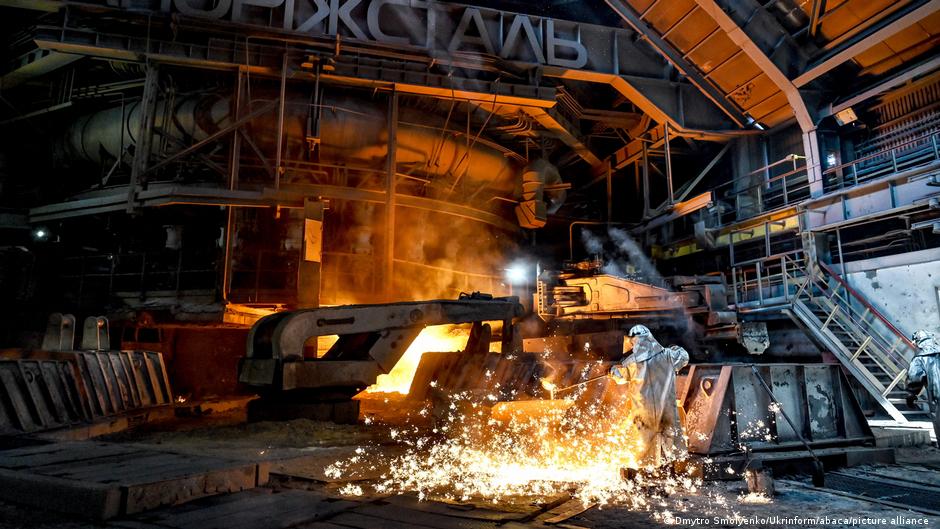
Preliminary assessments indicate that damage to Zaporizhstal, one of Ukraine’s largest steel plants, has reached a critical level after the third Russian missile strike on the enterprise in a month. The plant, located in the Ukrainian city of Zaporizhzhia and owned by the Metinvest group, had already fully suspended operations after the first major attack on August 11.
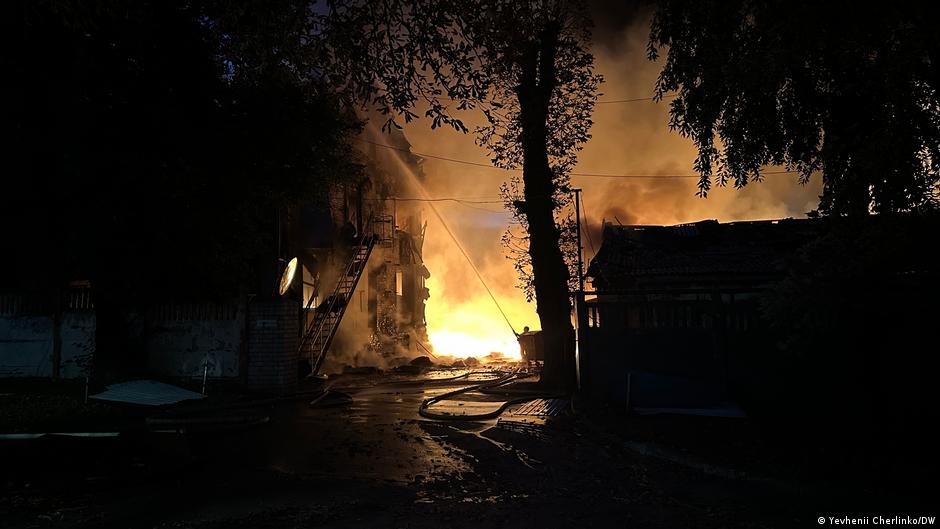
The latest strike took place overnight into Saturday, September 12, when ballistic missiles hit the production site. According to a company press release published the same day, four missiles struck the plant during the attack. Although Zaporizhstal had already been stopped after earlier attacks on August 11 and August 27, at least four employees were on site during the September strike and were injured. Three of them required hospitalization.
The company said the latest damage affected equipment in the blast furnace and open-hearth shops, as well as the plant’s energy system and logistics infrastructure. For a steel producer of this scale, those are not peripheral assets. They are central to the operating chain that links raw materials, energy supply, production equipment and outbound transport. The cumulative nature of the damage now raises questions not only about when production can restart, but about what level of capital repair and operational redesign may be required before the plant can return to meaningful output.
“The scale of destruction grows with each strike. It is not yet possible to assess it finally, but preliminarily we classify the damage as critical,” said Oleksandr Myronenko, chief operating officer of Metinvest, the group that includes Zaporizhstal.
Metinvest said emergency response and recovery work is continuing at the site, alongside inspections of damaged facilities intended to clarify the nature and scale of the destruction. For management, the immediate priorities are likely to include securing the plant, assessing equipment losses, stabilizing energy and transport links, and determining whether any production assets can be preserved or restored in stages.
A Strategic Asset Under Repeated Pressure
The business significance of Zaporizhstal extends well beyond a single regional employer. In 2025, according to the plant, it produced almost 3.568 million tonnes of pig iron and 3.212 million tonnes of steel. Industry association Ukrmetallurgprom calculated that all Ukrainian enterprises produced 7.884 million tonnes of pig iron and 7.409 million tonnes of steel that year. On that basis, Zaporizhstal accounted for more than 45 percent of the country’s pig iron output and more than 42 percent of its steel production.
Those figures underline why the plant’s shutdown is a strategic corporate and industrial problem. The loss of such a large share of national capacity affects Metinvest’s internal production balance, the broader Ukrainian metals market and downstream customers dependent on steel supply. It may also force other production sites to absorb pressure at reduced efficiency, particularly if logistics, power constraints or security risks limit their ability to compensate.
The first major missile attack on Zaporizhstal occurred overnight on August 11. Eight employees were killed and another 26 were wounded. The damage to equipment was severe enough for the steelworks to halt operations completely, while other production sites began operating at reduced capacity. That first strike therefore created both a human tragedy and a major operational break in Metinvest’s Ukrainian footprint.
The second major attack followed on August 27. According to Zaporizhstal, five missiles hit the plant. No one was killed or injured in that strike, but the blast furnace shop, energy and transport infrastructure, and open areas of the enterprise were damaged. Myronenko said at the time that any timeline for resuming production existed only in theory because the plant had barely cleared rubble from the previous hit before another strike occurred.
That sequence matters for corporate planning. A one-time disruption, however severe, can sometimes be modeled around a repair schedule, insurance process, customer allocation plan and financing package. Three major attacks in one month create a different managerial challenge: the risk environment itself becomes a central variable. Each repair decision must be weighed against the possibility of further strikes, while every delay compounds pressure on employees, suppliers, customers and local public finances.
Management, Employment and Competitive Stakes
Zaporizhstal’s position as an employer adds another layer to the business impact. In May 2026, the company said it topped the list of the largest employers in Zaporizhzhia region, citing an annual ranking by Opendatabot, a service that provides access to Ukrainian government data on individuals and legal entities. At that time, more than 8,000 people worked at the enterprise.
The plant is also a major taxpayer. For 2025, Zaporizhstal paid almost 2.7 billion hryvnias, or 52.34 million euros, in taxes to budgets at all levels. A prolonged shutdown therefore has fiscal consequences as well as production effects. Reduced operations can limit wage flows, supplier activity and tax receipts, weakening an industrial region already operating under wartime pressure.
For Metinvest, the repeated damage to Zaporizhstal sharpens strategic choices around asset resilience, capacity allocation and capital spending. Management must decide how to prioritize repair work across blast furnace equipment, open-hearth facilities, energy systems and logistics infrastructure, while also managing employee safety and the risk of further disruption. The group may need to rely more heavily on other assets, but the source material indicates those sites had already shifted to lower capacity after earlier strikes.
The competitive landscape is also affected. With Zaporizhstal responsible for more than two-fifths of Ukraine’s steel output in 2025, any prolonged outage changes the supply position of domestic producers and could alter availability for customers. Competitors with operational capacity may gain relative leverage, while Ukrainian steel consumers face uncertainty over volumes, timing and reliability.
The company has not yet provided a definitive restoration timeline. Given the latest characterization of the damage as critical, the operational question has moved beyond a simple restart date. Zaporizhstal now faces a multi-dimensional recovery challenge involving damaged core equipment, impaired infrastructure, employee safety, capital allocation and an unstable security environment. For Metinvest, the plant’s future operating path will be a test of crisis management at one of Ukraine’s most important industrial enterprises.