Iran Submits 14-Point Peace Plan to US Amid Ongoing Middle East Conflict
Tehran outlines key conditions for ending hostilities while Washington expresses skepticism over proposals.
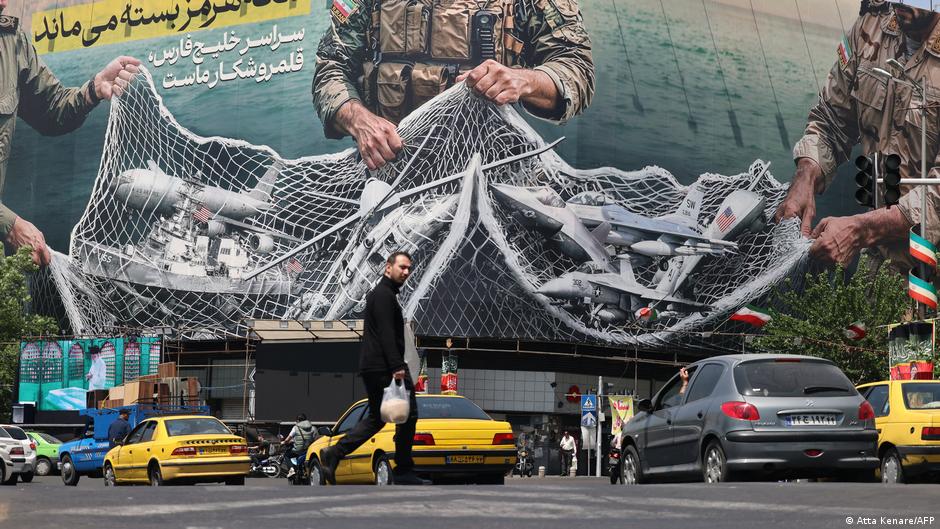
Iranian authorities have presented Washington with a comprehensive 14-point peace plan, detailing Tehran's conditions for concluding the ongoing military conflict in the Middle East. The document, reportedly a response to a prior 9-point proposal from the United States, articulates Iran's demands for a definitive resolution rather than a temporary ceasefire.
Strategic Dimensions of the 14-Point Plan
The peace plan emphasizes that all issues must be resolved within one month, rejecting the U.S. suggestion of a two-month truce. Key demands from Iran include guarantees of non-aggression from the United States, a full withdrawal of American troops from border regions, the lifting of the naval blockade, and the unfreezing of Iranian assets held abroad.
Additionally, Iran insists on reparations for damages incurred during the conflict, the removal of sanctions, cessation of hostilities across the region—including Israeli attacks on Lebanon—and the establishment of a new operational framework for the strategically critical Strait of Hormuz. These stipulations reflect Tehran's broader strategic objectives to secure its regional position and economic interests.
"The emphasis should be on ending the war, not on extending the ceasefire," underscores the Iranian perspective.
The conflict itself began on February 28, with strikes launched by U.S. and Israeli forces on Iranian territory. Iran responded with attacks targeting Israel, Gulf states, and U.S. assets, escalating tensions dramatically. Although a ceasefire was enacted in early April, substantive progress toward conflict resolution remains elusive. A single round of talks held in Pakistan on April 11 failed to yield results.
Despite diplomatic efforts, the Strait of Hormuz remains effectively blocked by Iranian forces, while U.S. naval blockades of Iranian ports continue, reflecting the entrenched nature of military and economic confrontations.
U.S. Response and Strategic Implications
President Donald Trump acknowledged receipt of the new Iranian proposal on May 3 but expressed doubt over its acceptability. He commented that Iran has not paid a sufficient price over the last 47 years for its actions against humanity and global stability, indicating a hardline stance. Trump’s statement on the social platform Truth Social suggests that Washington is unlikely to concede to Tehran's conditions without significant concessions.
On May 1, Trump formally notified the U.S. Congress that military actions initiated in February have ceased, meeting the 60-day legislative deadline for ongoing hostilities without congressional approval. This move signals an official end to active combat operations, though the administration acknowledges that the threat from Iran remains substantial.
Furthermore, reports indicate that President Trump has instructed preparations for an extended maritime blockade aimed at crippling Iran’s economy by restricting its oil exports. This approach underscores a strategic preference for economic pressure as a tool to influence Iran's regional behavior.
The evolving diplomatic and military dynamics highlight complex challenges for U.S. policymakers balancing direct military engagement with economic sanctions and regional stability considerations. Iran’s comprehensive peace plan, while ambitious, stands at odds with current U.S. strategic priorities, potentially prolonging the conflict’s resolution timeline.