Russian Military Strikes Multiple Ukrainian Regions Amid Ongoing Drone Attacks
Russian forces launched coordinated drone assaults targeting energy and port infrastructure across Ukraine on May 2, intensifying regional conflict.
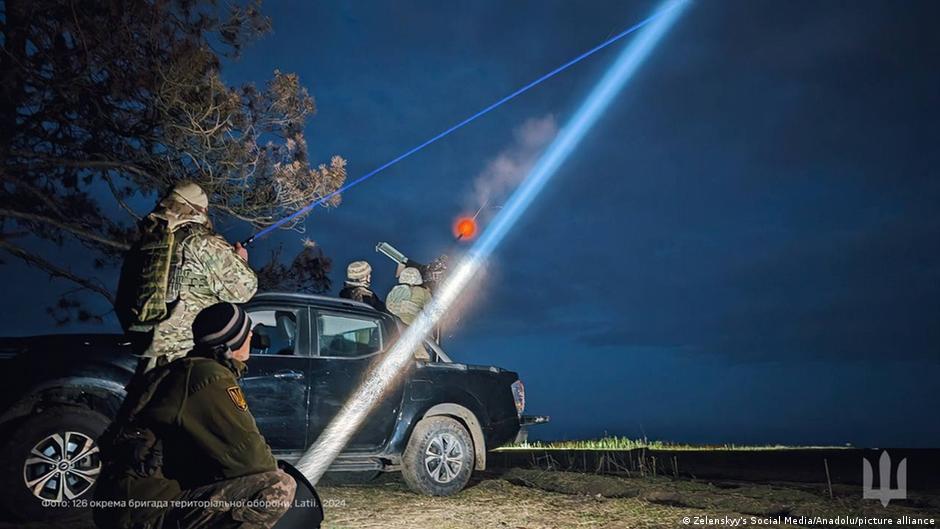
On the night of May 2, Russian military forces conducted a series of drone strikes across several Ukrainian regions, including Mykolaiv, Kharkiv, Kherson, and Sumy, escalating the ongoing conflict. The attacks targeted critical infrastructure and residential areas, resulting in multiple injuries and significant security challenges for Ukrainian authorities.
Strategic Impact on Infrastructure and Civilian Areas
The Russian forces employed Shahed drones in these coordinated strikes. In Mykolaiv, the energy infrastructure was targeted, with the regional military administration head Vitaliy Kim reporting that the attacks aimed to disrupt power supply systems integral to civilian and industrial operations. Fortunately, no casualties were reported in this sector.
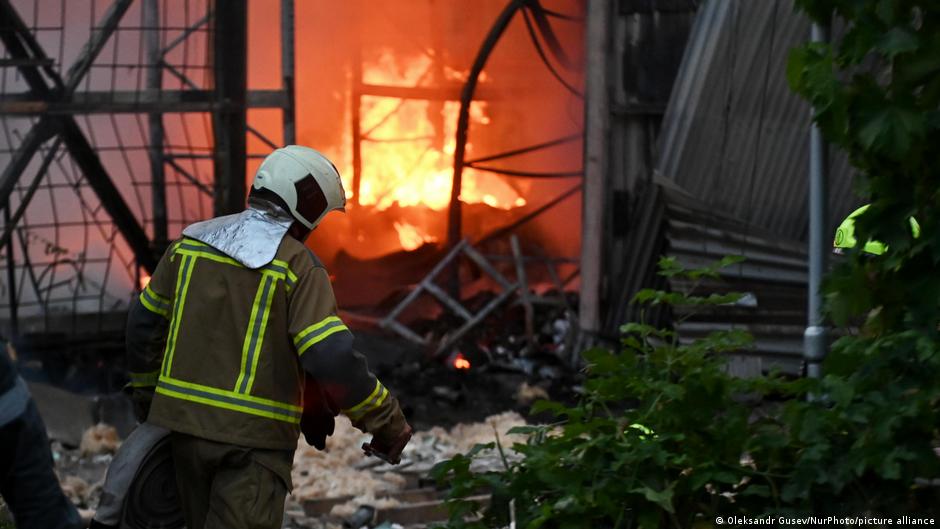
In Kharkiv, a Shahed drone struck the 12th floor of a residential building in the Shevchenkivskyi district, causing shrapnel injuries to a civilian. The city mayor Igor Terekhov noted that the drone failed to explode on impact, which mitigated potentially more severe damage and casualties. This incident underscores the increasing risks to urban populations amid the use of unmanned aerial vehicles in conflict zones.
“Thankfully, the Shahed drone did not explode, preventing far worse consequences,” said Kharkiv's mayor, highlighting the precarious nature of drone warfare in populated areas.
Simultaneous explosions were reported by journalists in Sumy and Kherson, with the latter experiencing its third wave of strikes in 24 hours. The Ukrainian Air Forces indicated ongoing drone movements toward additional strategic locations, including Chernihiv, Zaporizhzhia, and Odesa regions.
One notable target was the port infrastructure of Izmail, a key Black Sea logistics hub. Local defense forces claimed high efficiency in intercepting enemy drones, with the majority neutralized and minimal damage sustained. This successful defense is crucial for maintaining commercial and military supply chains in the region.
Casualties and Damage Assessment
Western Ukraine also faced considerable drone activity, with over 50 Shahed drones attacking Ternopil. Police chief Serhiy Zyubanenko reported that more than 20 drones detonated, causing injuries to at least 12 people. This highlights the expanding geographic scope of attacks and the challenges Ukrainian security forces face in protecting civilian populations.
In the Dnipropetrovsk region, nearly 50 strikes were recorded against Nikopol and Kryvyi Rih districts. Alexander Ganja, head of the regional military administration, confirmed that four people were injured during these attacks. Two women aged 43 and 50 were hospitalized with moderate injuries, while two others continue outpatient treatment. The sustained strikes on industrial regions suggest a strategic attempt to disrupt mining and metallurgical production, critical components of Ukraine's economy.
Business and Strategic Implications
The recent wave of attacks illustrates a continued Russian strategy focused on undermining Ukraine’s infrastructure resilience and civilian morale through drone warfare. The targeting of energy systems, ports, and industrial zones points to a broader goal of destabilizing key economic sectors and logistics networks.
For Ukrainian businesses and government entities, these developments necessitate enhanced contingency planning, investment in air defense technologies, and diversified supply chain strategies to mitigate operational disruptions. The resilience demonstrated by Ukrainian air defense units and local administrations plays a critical role in preserving economic stability amid conflict.
From a corporate strategy and management perspective, firms operating in affected regions must reevaluate risk models, insurance coverage, and crisis response mechanisms in light of evolving security threats. Furthermore, the attacks may accelerate shifts in regional trade and investment flows, with increased focus on safer zones and alternate routes for goods and services.
Looking forward, continued drone use in this conflict underscores the growing role of unmanned systems in modern warfare, necessitating adaptive strategies for defense and business continuity in conflict-affected markets.