Ifo Institute Warns US Tariff Hike Could Trigger German Recession Amid Trade Tensions
Rising US tariffs on EU cars may lead to retaliatory duties and threaten Germany’s economic growth in 2026, says Munich’s ifo Institute.
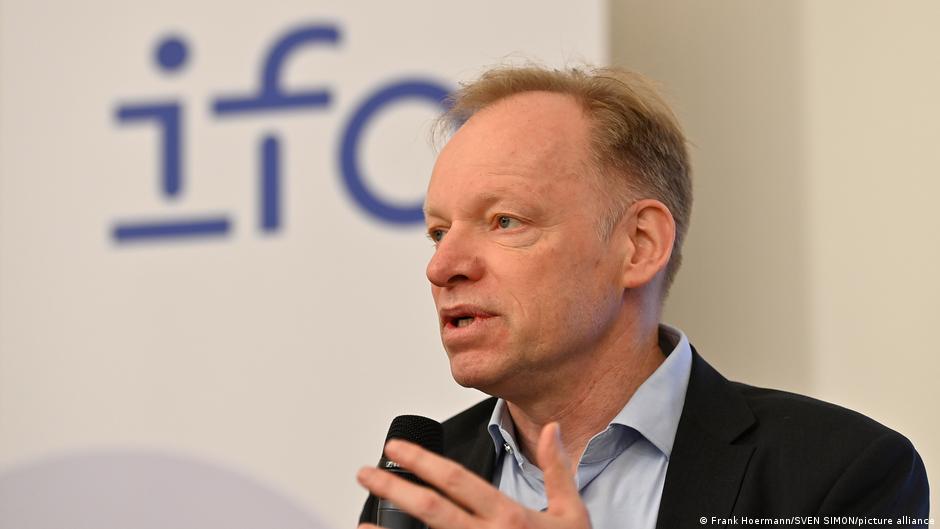
The Munich-based ifo Institute has issued a stark warning regarding the possible economic fallout for Germany following the United States' announcement of increased tariffs on cars imported from the European Union. The institute cautions that, should the EU respond with retaliatory tariffs, Germany could face a recession as early as 2026.
Economic Impact of US Tariff Increase on German Automotive Sector
On May 1, US President Donald Trump declared a significant hike in import tariffs on passenger and commercial vehicles from the EU, raising duties to 25%. This move, justified by the Trump administration as a response to alleged violations of a prior trade agreement by the EU, directly targets a key pillar of Germany's export economy: the automotive industry.
Clemens Fuest, president of the ifo Institute, underscored the severity of this development, noting it worsens an already challenging environment for Germany's auto sector. "If this escalates into a full-scale trade war, Germany faces the real risk of recession in 2026," Fuest told Bild newspaper. The potential tariffs threaten to undermine the competitiveness of German manufacturers, who account for a substantial portion of EU car exports to the US.
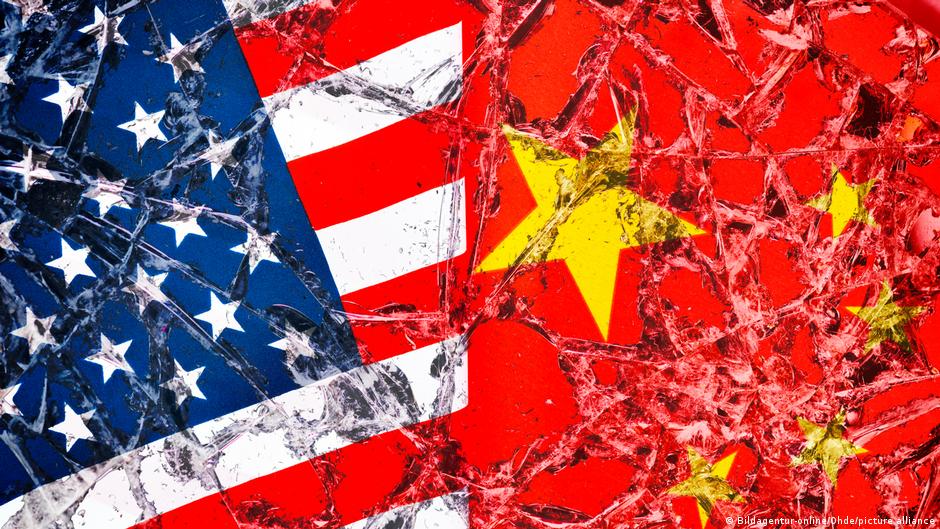
"This tariff increase can be interpreted as the start of an economic war against Germany," remarked automotive expert Ferdinand Dudenhöffer on May 2.
Meanwhile, Jens Südekum, advisor to German Finance Minister Lars Klingbeil, advised caution. Speaking to the same publication, Südekum suggested the EU should delay any retaliatory measures until the US tariffs are officially implemented, recommending a measured response to avoid unnecessary escalation.
Context of the US-EU Trade Agreement and Political Tensions
The announcement comes against the backdrop of a comprehensive US-EU trade agreement finalized in September 2025, which had originally reduced tariffs on European automotive exports from 27.5% to 15%. Under the agreement, the EU had agreed to eliminate duties on a broad array of American industrial goods—ranging from seafood to soy products—in exchange for tariff reductions on EU-manufactured vehicles.
Despite this framework, President Trump has repeatedly accused the EU of exploiting the US through a substantial trade surplus in goods, though Brussels counters that the US maintains significant advantages in the services sector. The new tariff hike adds friction to already strained transatlantic trade relations.
The timing of the tariff announcement also followed sharp political exchanges between President Trump and German Chancellor Friedrich Merz. On April 30, Trump criticized Merz for focusing on Iran policy instead of resolving the ongoing conflict in Ukraine, further souring bilateral relations. Merz had earlier condemned the US and Israeli military actions against Iran, warning of their negative repercussions on Germany’s economy.
Strategic Implications for German Businesses and Policymakers
Germany’s corporate sector, particularly automotive manufacturers, now faces a complex strategic environment. The potential for a trade war introduces significant uncertainty impacting supply chains, export strategies, and investment plans. Companies may need to consider diversification of markets or increased local production in the US to mitigate tariff impacts.
From a policy perspective, German and EU leaders are challenged to balance a firm stance against US protectionism with the risks of escalating trade disputes. The ifo Institute’s warning signals the urgency of diplomatic efforts to prevent a spiral into broader economic conflict. As Jens Südekum advised, the EU’s response strategy will likely hinge on the actual implementation of US tariffs, underscoring the need for calibrated and evidence-based decision-making.
In summary, the US tariff increase threatens to disrupt decades of trade cooperation and poses a material risk to Germany’s economic growth trajectory. Corporate leaders and policymakers alike must navigate these developments with strategic foresight to safeguard Europe’s industrial competitiveness and economic stability.