US Imposes Up to 100% Tariffs on Imported Drones and Components to Bolster National Security
New tariffs target drones based on weight and thermal imaging capabilities, aiming to reduce reliance on foreign suppliers and enhance domestic production.
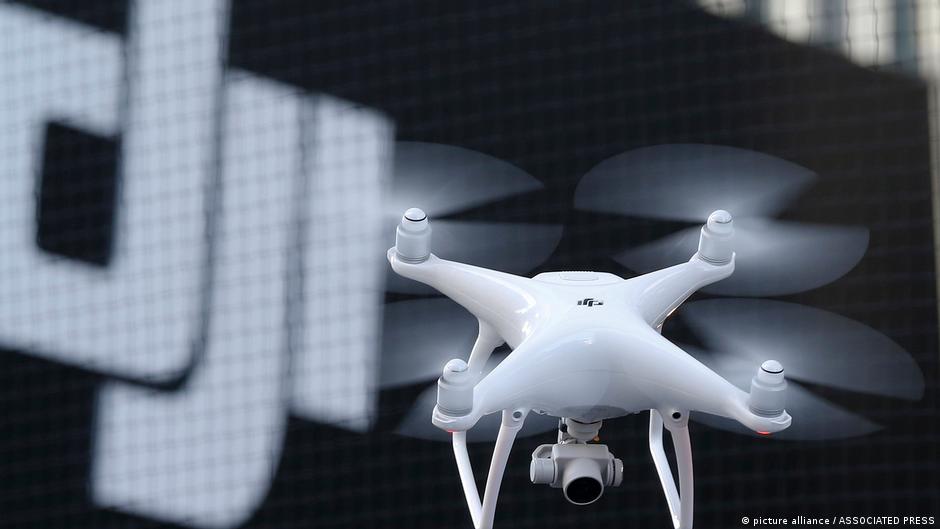
On August 13, 2025, US President Donald Trump signed a proclamation introducing tariffs on imported drones and their components, signaling a strategic move to strengthen national security and domestic manufacturing capabilities in the drone industry.
Tariff Structure and Strategic Implications
The tariffs impose a 100% duty on unmanned aerial vehicles (UAVs) with a maximum takeoff weight exceeding 25 kilograms that are equipped with thermal imaging technology, as well as on associated docking stations and critical components. Drones weighing 25 kilograms or less will incur a 25% tariff.
Exemptions or reduced tariffs apply to imports from certain allied countries: 15% on drones and components originating from the European Union, Japan, South Korea, Switzerland, Taiwan, and Liechtenstein, and a 10% tariff on products from the United Kingdom. The tariffs will take effect 21 days after the proclamation’s signing, with less critical drone components facing a delayed implementation of 180 days.
This tariff architecture reflects a nuanced corporate and geopolitical strategy, aiming to curtail reliance on foreign drone suppliers, particularly from nations considered a security risk, while preserving trade relations with strategic allies.
National Security and Supply Chain Vulnerabilities
"The U.S. must rapidly expand domestic drone production to address significant cybersecurity vulnerabilities and national security threats posed by dependence on foreign suppliers," the White House stated.
Drones have become indispensable in modern military operations, with critical roles in intelligence, reconnaissance, and combat. The reliance on foreign-made components, especially from China, exposes the US to supply chain risks and potential cyber espionage, prompting the government to take assertive measures.
Recent investigations reveal China’s dominant role in global drone manufacturing. For instance, British naval reconnaissance drones reportedly transmitted sensitive data to China due to embedded Chinese components. Additionally, Bloomberg reported that China has been supplying drones to Russia via Thailand, with Russian imports from Thailand totaling $125 million in drone equipment over the past 11 months.
Such developments underscore the strategic importance of reshaping the drone supply chain to minimize foreign dependency and ensure control over critical technologies.
Corporate and Market Impact
The tariffs are likely to impact multinational drone manufacturers and component suppliers, influencing their market access and prompting potential realignment of supply chains. Companies may accelerate investments in US-based production facilities or seek partnerships with allied countries to mitigate tariff effects.
This move also signals to investors and industry stakeholders that the US government prioritizes safeguarding technological leadership and security in emerging defense technologies, potentially shifting competitive dynamics within the global drone market.
In the long term, these tariffs could stimulate innovation and capacity building in the domestic drone manufacturing sector, although short-term increases in costs for US buyers and operators are expected.