Cyberattack on Bundestag Speaker’s Signal Account Highlights Rising Phishing Threats to German Political Leadership
Phishing attacks targeting high-level German officials, including CDU leaders, reveal vulnerabilities in political communication channels.
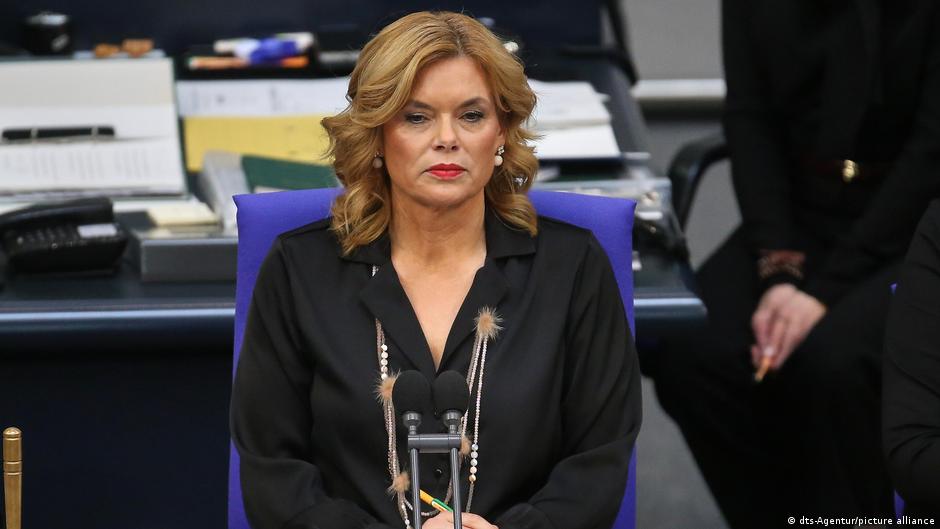
The Signal messaging account of Julia Klöckner, Speaker of the Bundestag and Vice-Chair of the Christian Democratic Union (CDU), was compromised in a phishing attack, underscoring growing cybersecurity challenges faced by Germany’s political elite.
Phishing Campaign Targets German Political Leadership
According to reports, the breach of Klöckner’s Signal account was part of a sustained phishing campaign active over several months, with German intelligence attributing the attacks to Russian hackers. The intrusion did not only affect Klöckner’s personal communications but also compromised a high-level Signal group chat used by the CDU presidium, which includes Chancellor and CDU Chairman Friedrich Merz.
The Federal Office for the Protection of the Constitution (BfV) informed Merz about the breach and conducted a security check on his device, finding no signs of compromise. Nevertheless, the incident raises significant concerns about the security of internal communications within Germany’s leading political party.
"Currently, attackers are covertly harvesting data from numerous groups within the Signal application among parliamentarians," states an internal BfV briefing circulated among parliamentary faction leaders and party executives.
The BfV's 20-page document detailing the phishing wave highlights that high-ranking politicians, military personnel, diplomats, and investigative journalists have been primary targets. The actual number of victims is believed to be considerably higher than the reported cases.
Implications for Political Communication and Security Strategy
This cyber intrusion shines a light on the vulnerabilities of messaging platforms used by political decision-makers, potentially undermining confidential strategic discussions and sensitive decision-making processes. The compromise of a group chat involving top CDU officials could have exposed internal party strategies, negotiations, and policy deliberations.
In light of the attack, German security agencies have intensified monitoring and issued guidance to political figures on mitigating phishing risks. However, the persistence of such intrusions suggests that existing cybersecurity protocols and awareness may require substantial reinforcement.
Klöckner’s office has neither confirmed nor denied the breach, maintaining a policy of discretion regarding critical infrastructure security. This cautious stance reflects the broader challenges governments face in balancing transparency with operational security amid increasing cyber threats.
As Germany approaches significant political events and policy decisions, safeguarding communication channels becomes paramount for maintaining both national security and public trust. The incident serves as a stark reminder that state actors and high-profile political figures remain prime targets in the evolving landscape of cyber espionage.