Turkey Advances Efforts to Revive Russia-Ukraine Peace Talks Amid Geopolitical Strains
President Erdogan emphasizes Ankara's role in facilitating dialogue between Russia and Ukraine to end the ongoing conflict.
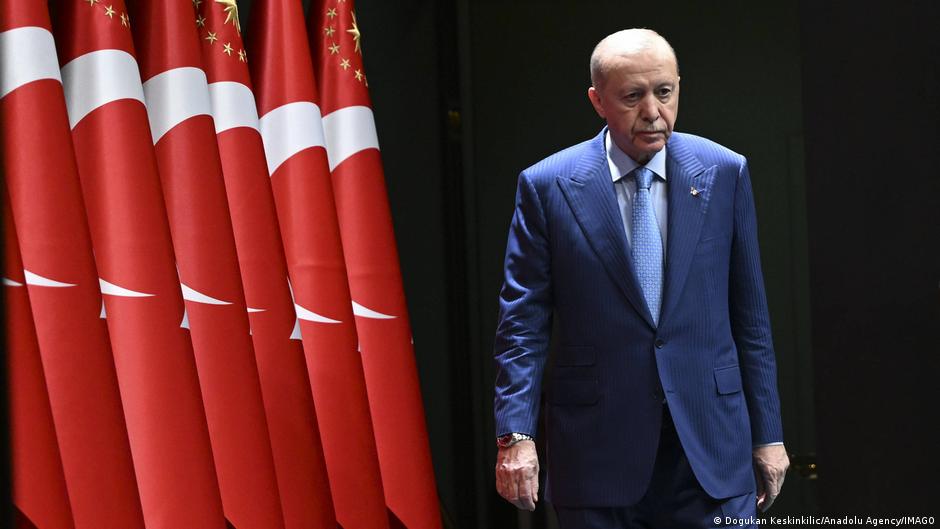
Turkey is actively working to resume peace negotiations between Russia and Ukraine, which have remained stalled since early 2024. President Recep Tayyip Erdogan underscored Ankara's commitment to facilitating dialogue and achieving a sustainable resolution to the conflict during recent high-level discussions.
Strategic Mediation Amid Global Tensions
In a meeting with NATO Secretary General Jens Stoltenberg in Ankara on April 22, President Erdogan highlighted Turkey's vested interest in ending the war between Russia and Ukraine. According to official statements, Erdogan stated, "We, Turkey, are interested in ending the war between Ukraine and Russia and are working on renewing negotiations and initiating dialogue at the leadership level." This marks a significant diplomatic effort by Ankara to leverage its unique position as a NATO member with maintained relations with both Moscow and Kyiv.
Following this meeting, Erdogan held a phone conversation with German President Frank-Walter Steinmeier, where he remarked on the broader geopolitical landscape. He noted that the ongoing conflict involving the United States and Israel against Iran has begun to weaken Europe, implicitly connecting these tensions to the broader instability impacting the Ukraine conflict. Erdogan reaffirmed Turkey's dedication to peaceful conflict resolution, emphasizing, "Turkey, as with Iran, is making efforts to end conflicts through negotiations and to achieve lasting peace as an outcome of the war between Ukraine and Russia."
"Turkey is working to renew negotiations and initiate dialogue at the leadership level to end the war between Ukraine and Russia." — President Recep Tayyip Erdogan
Ukraine's Diplomatic Outreach and Potential High-Level Summit
Ukraine's Foreign Minister Andriy Sybiga, speaking at the Antalya Diplomatic Forum from April 17 to 19, revealed Kyiv's formal request for Ankara to organize a meeting between Russian President Vladimir Putin and Ukrainian President Volodymyr Zelensky. Sybiga suggested that the forum might also involve President Erdogan and former U.S. President Donald Trump, should circumstances allow.
"We want to end this war. We have actionable proposals. We hope for a role that Turkey can play to accelerate the peace process," Sybiga stated in an interview with Ukrainian state news agency Ukrinform. This initiative signals Kyiv's strategic reliance on Turkey's mediating capabilities amid stalled negotiations and shifting alliances.
Kremlin’s Position on Potential Talks
In response to these developments, Kremlin spokesperson Dmitry Peskov indicated that any meeting between Putin and Zelensky would be contingent upon finalizing agreements. He emphasized that such high-level discussions would occur only when substantive progress has been made. This cautious stance echoes similar remarks made in mid-2023, reflecting ongoing skepticism within Moscow regarding premature negotiations.
Implications for Corporate Strategy and International Business
Turkey’s mediation efforts come at a critical juncture amid increasing geopolitical uncertainties affecting global markets, supply chains, and energy security. The potential resumption of peace talks could influence corporate strategies, particularly for multinational firms operating in Eastern Europe and energy sectors reliant on stable regional conditions. Businesses may need to assess risks related to disrupted trade routes, sanctions regimes, and investment climates shaped by the conflict’s trajectory.
Moreover, Ankara’s diplomatic positioning could enhance its role as a regional broker, opening avenues for increased economic partnerships and cross-border ventures. This strategic leverage may attract foreign direct investment and strengthen Turkey’s competitive advantage in navigating complex international relations between Western powers and Russia.
As the situation evolves, corporate leaders and policymakers will be closely watching Turkey’s ability to catalyze dialogue and facilitate a durable peace settlement. Such a breakthrough could recalibrate the competitive landscape, prompting reassessments of market entries, supply chain diversification, and geopolitical risk management.