Italian PM Meloni Addresses Propaganda Attacks Amid Rising Political Tensions
Italy’s Prime Minister Giorgia Meloni responds firmly to derogatory remarks by Russian media, emphasizing national sovereignty and independent policy.
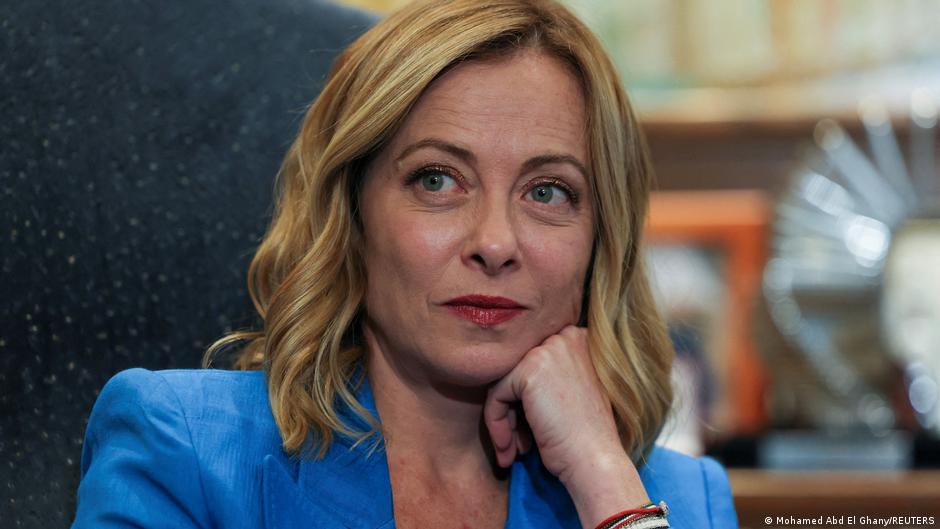
Italian Prime Minister Giorgia Meloni publicly responded to disparaging comments made by Russian television host Vladimir Solovyov, highlighting her government’s independent stance and commitment to Italy’s national interests. The incident has sparked significant political reactions within Italy and intensified scrutiny on the broader geopolitical communications strategy amid ongoing international tensions.
Context and Corporate Implications
Late on April 21, Meloni took to social media to denounce what she described as "zealous regime propagandists," a clear reference to the offensive remarks broadcast by Solovyov. The host had called Meloni a "fascist creature who betrayed her voters" and "a disgrace to humanity," further accusing her of political betrayal involving former U.S. President Donald Trump.
"We have only one compass: the interests of Italy. And we will proudly follow it despite protests from propagandists worldwide," Meloni stated, underscoring her administration’s strategic independence from external influence.
Her assertive public stance reflects a broader strategic messaging approach that emphasizes sovereignty and detachment from foreign pressures — a critical element in Italy’s current political branding and diplomatic posture.
Diplomatic and Political Fallout
Just hours before Meloni’s post, Italian Foreign Minister Antonio Tajani summoned Russian Ambassador Alexey Paramonov to the Ministry of Foreign Affairs to formally protest Solovyov’s remarks. This diplomatic move signals Italy’s prioritization of protecting its leadership’s reputation and maintaining respectful international discourse.
The incident received extensive coverage in leading Italian media outlets including La Repubblica, Domani, Sky Italia, and ANSA news agency, illustrating the domestic political sensitivity and public interest surrounding the episode.
Political figures across the Italian spectrum rallied behind Meloni. President Sergio Mattarella condemned the comments as "vulgar," while former Prime Minister Giuseppe Conte described them as "indescribable." Parliamentary oversight head Barbara Floridia and party representative Mariastella Gelmini called the rhetoric unacceptable. The Democratic Party leader Elly Schlein also publicly supported Meloni, reflecting a rare bipartisan consensus in defense of the prime minister.
Strategic Significance for Meloni’s Leadership
This episode underscores several key aspects of Meloni’s corporate and political strategy:
- Reinforcement of Sovereignty: Meloni’s response highlights a strategic narrative of independent decision-making, aimed at reinforcing her administration’s legitimacy in the eyes of domestic and international stakeholders.
- Management of External Pressures: By addressing and dismissing the propaganda attacks, Meloni signals resilience against external attempts to influence or undermine Italy’s political trajectory.
- Consolidation of Political Support: The bipartisan backing following the incident suggests an effective management of internal political alliances at a critical time, strengthening her leadership position.
As Italy navigates complex geopolitical dynamics, including its relationships with Russia and Western allies, managing such high-profile provocations shapes both public perception and Italy’s diplomatic leverage.
In sum, Meloni’s handling of the propaganda assault demonstrates a deliberate corporate strategy emphasizing sovereign independence, crisis communication, and coalition-building to maintain political stability and strategic clarity.