German Economy Minister Warns Berlin Left’s Win Could Deter Investment
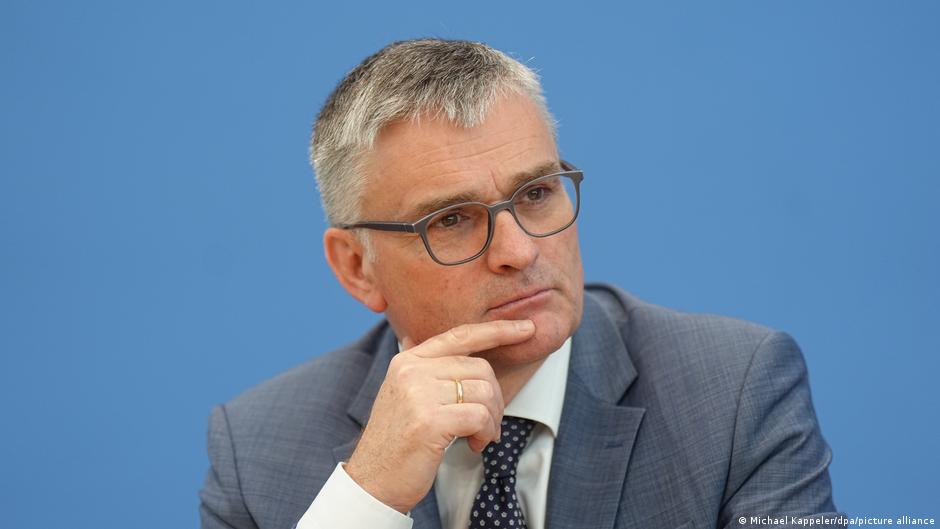
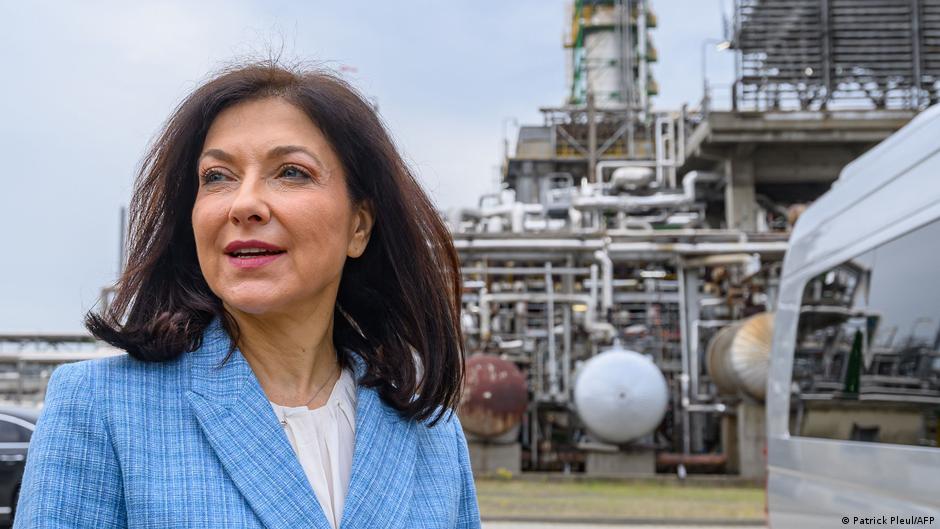
Katherina Reiche warned that the Left Party’s Berlin victory could undermine Germany’s investment appeal and property protections.

Katherina Reiche warned that the Left Party’s Berlin victory could undermine Germany’s investment appeal and property protections.

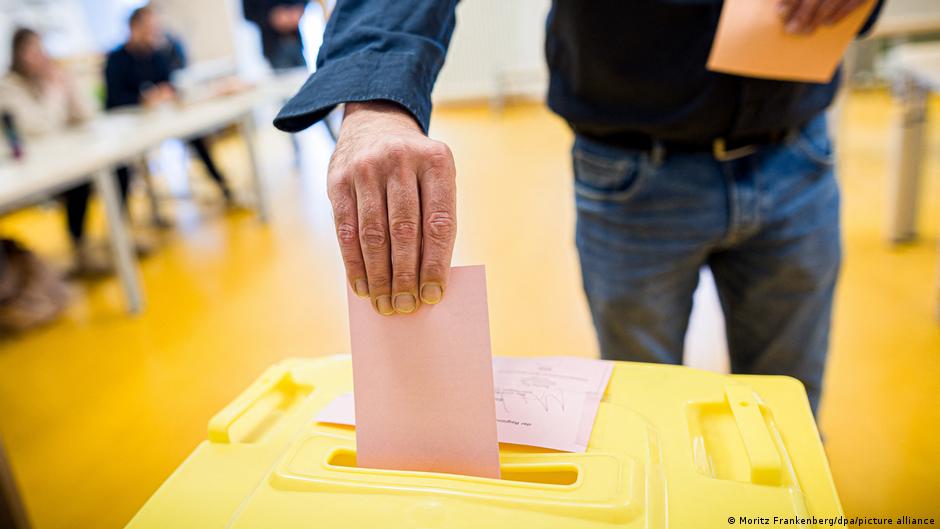
Lower Saxony’s runoffs showed strong local incumbency, Green urban gains and the AfD’s limited ability to turn vote share into executive power.

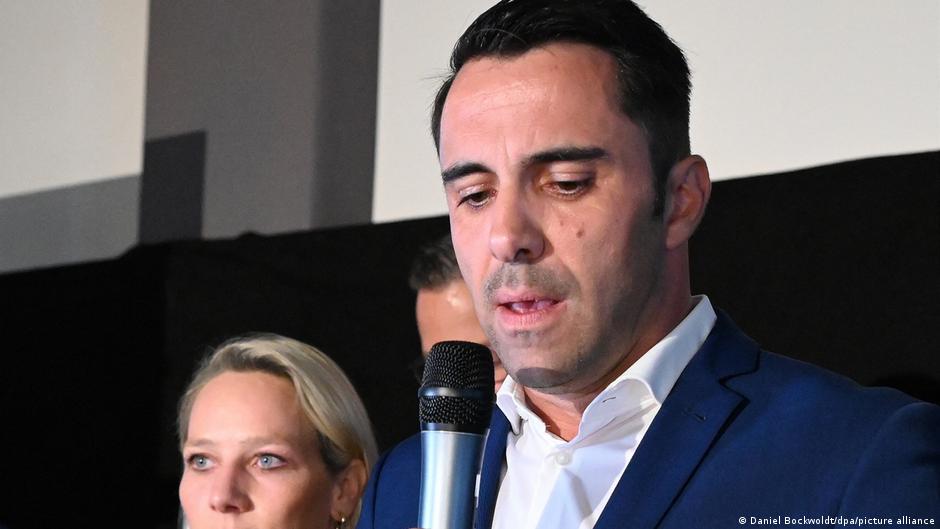
Daniel Peters resigned after the CDU won 4.9% in Mecklenburg-Western Pomerania, missing a state parliament for the first time in German history.

The Left Party’s Berlin win raises business questions over housing expropriation, coalition stability and the city’s governing strategy.

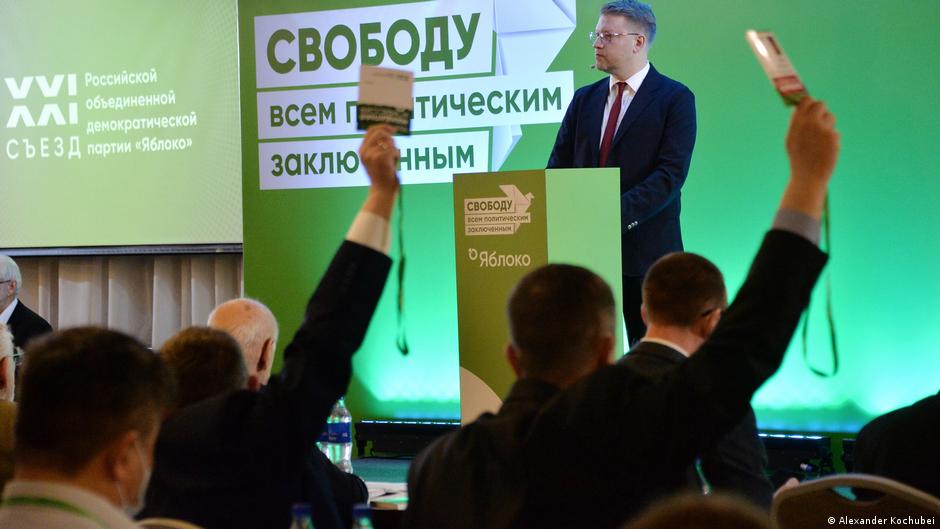
Yabloko’s 6.2% Novgorod result secures regional representation and preserves a key route into future State Duma elections.

AfD’s projected win in Saxony-Anhalt drew sharp reactions from Poland, Czechia and France, raising questions over coalition strategy in Europe.

AfD won Saxony-Anhalt with 43.8 percent, but coalition arithmetic leaves BSW, the CDU and minority-government scenarios at the center of the next phase.

Germany’s conservative CDU/CSU block falls to 20% support, while far-right AfD leads at 28%, signaling strategic shifts ahead of regional elections.

Germany’s Transport Minister Patrick Schnieder resigns as Chancellor Friedrich Merz nominates Steffen Bilger amid party tensions and strategic government reshuffles.

A Kremlin-linked bot network launched a disinformation campaign in eastern Germany aimed at influencing regional election outcomes by spreading fake media content.

CSU leader Alexander Hoffmann calls for a Germany-Ukraine intergovernmental pact to acquire Ukraine's advanced drone technologies, enhancing German defense capabilities.

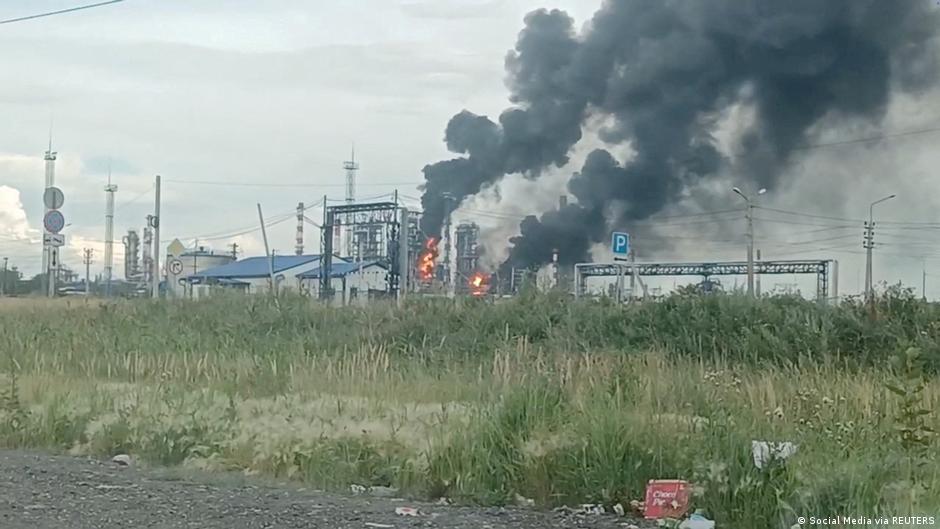
Ukraine’s drone attacks have forced the Saratov oil refinery to halt operations, deepening Russia’s fuel shortage and prompting regional sales restrictions.

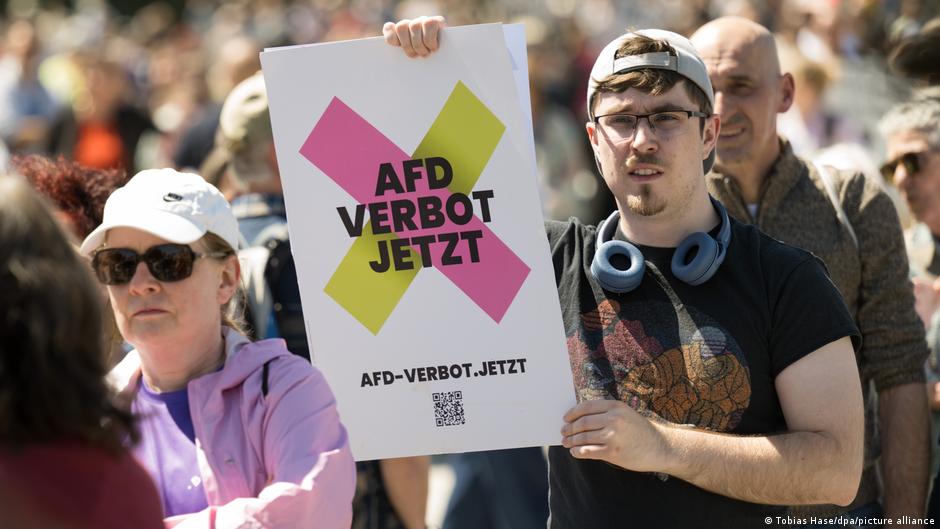
A recent Insa poll shows 45% of Germans oppose banning the far-right AfD party despite its lead over CDU/CSU, highlighting political divisions and implications for Germany's corporate landscape.

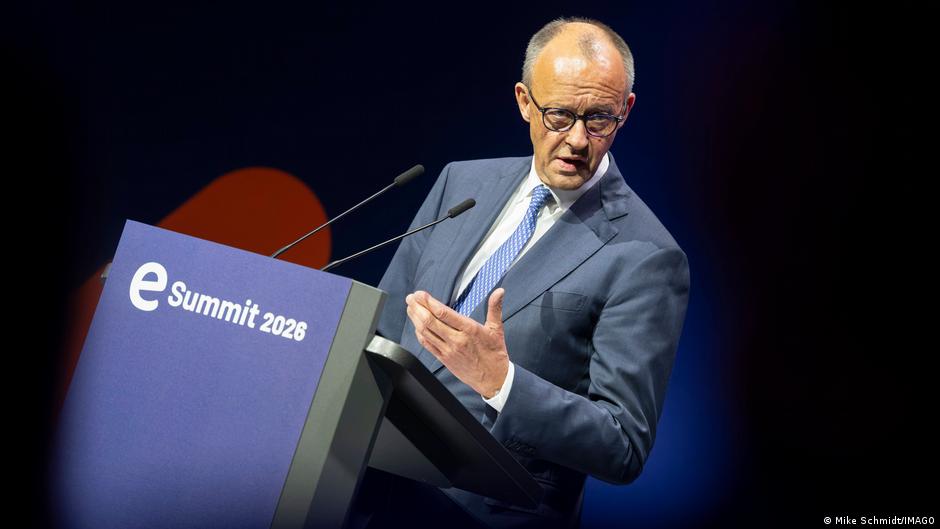
Chancellor Friedrich Merz's team denies rumors of early leadership change, calling them baseless amid low government approval and internal CDU speculation.

Germany is accelerating development of domestic long-range weapons after the US declined to deploy Tomahawk missiles, aiming to counter Russia’s Iskander threat and bolster European deterrence.

Germany attributes a recent phishing campaign on Signal targeting politicians and journalists to Russian actors, prompting investigation and enhanced security measures.

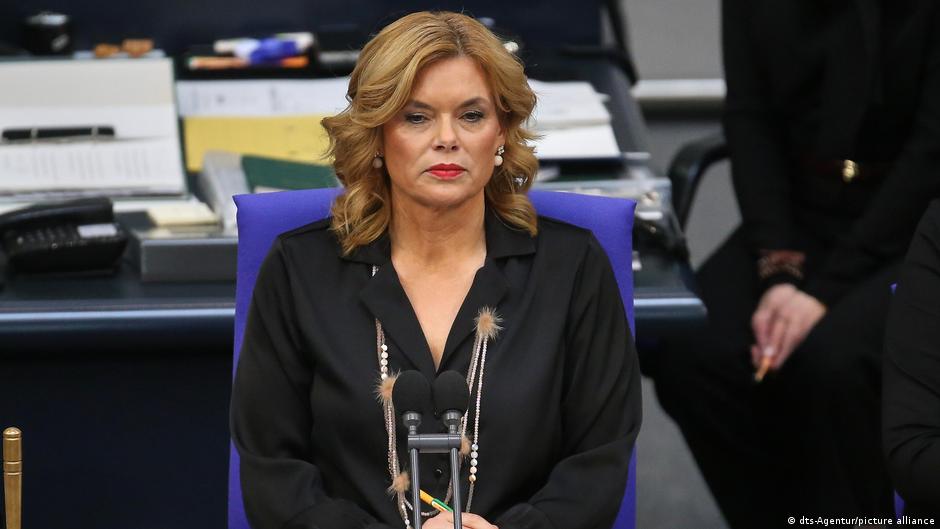
Julia Klöckner's Signal account was hacked in a phishing attack compromising CDU leadership communications, highlighting cybersecurity vulnerabilities in German politics.