Germany Accelerates Development of Long-Range Weapons Amid Russian Iskander Threat
Following the US refusal to deploy Tomahawk missiles in Germany, Berlin prioritizes European-led long-range strike capability to strengthen deterrence.
Germany is stepping up efforts to develop its own long-range precision weaponry in response to the deployment of Russian Iskander missile systems in Kaliningrad and other strategic locations. This move follows the United States’ decision not to station Tomahawk cruise missiles on German soil, prompting Berlin to accelerate its independent defense capabilities.
Strategic Shift in Germany’s Defense Posture
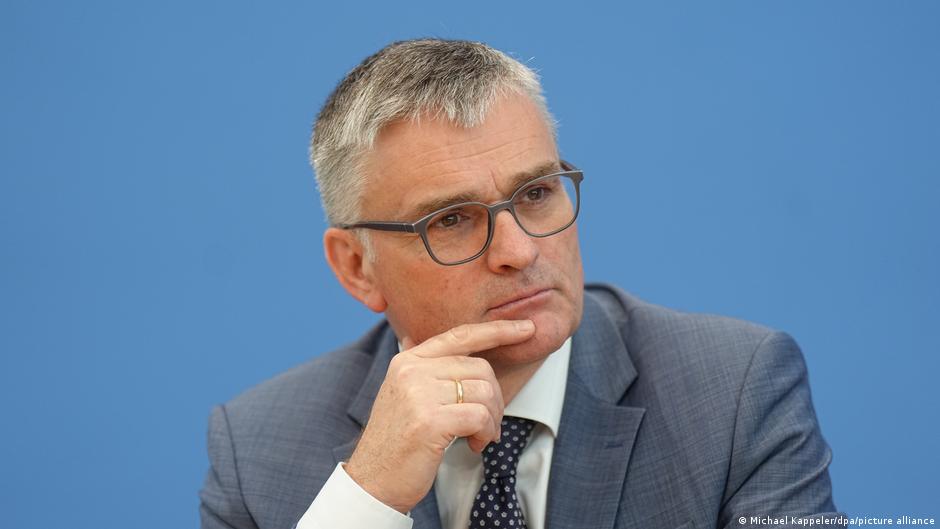
At a press briefing in Berlin on May 4, government spokesperson Stefan Kornelius emphasized the imperative to avoid any gap in Europe’s deterrence strategy. "The deployment of Tomahawk missiles in Germany was always considered a temporary measure," he noted, advocating a renewed focus on homegrown alternatives.
Germany, alongside European partners, has long been invested in the European Long-Range Strike Approach (ELSA) program, which aims to develop state-of-the-art high-precision, long-range weapons—including cruise missiles and drones. Kornelius described this initiative as a direct response to Russia’s military modernization, particularly the installation of Iskander systems that pose a tangible threat to European security.
“We are working on a comprehensive deterrence package at national, European, and NATO levels to counter the threat posed by Russian long-range systems,” said Kornelius.
Chancellor Friedrich Merz confirmed on May 3 that the US will not be deploying Tomahawks in Germany in the near term, attributing the decision to the US military’s own operational requirements. This agreement was originally established in 2024 between then-US President Joe Biden and then-German Chancellor Olaf Scholz as a symbolic deterrent amid Russia’s ongoing conflict in Ukraine.
European Defense Collaboration and Future Prospects
The German Ministry of Defense announced efforts to enhance the country’s and Europe’s deterrent capabilities, including modernizing the German TAURUS cruise missile system. The ELSA project remains central to these efforts, representing a collaborative European initiative to develop advanced long-range weaponry to address perceived future threats. Analysts forecast that by 2029, Russia is expected to have sufficient military capacity to threaten a NATO member state, underscoring the urgency of these developments.
Within Germany’s ruling Christian Democratic Union (CDU), there is a vocal push for deeper defense cooperation with Ukraine, including joint development of medium-range missile systems. Bundestag member and foreign policy expert Roderich Kiesewetter criticized the Trump administration’s earlier decision to withdraw Tomahawk missiles, calling it a "huge mistake."
Kiesewetter warned that the lack of US medium-range systems undermines European security against Russia’s nuclear threats and advocated for Europe to urgently develop its own alternatives in partnership with Ukraine, aiming for operational capabilities by 2030.
This strategic pivot reflects a broader recalibration of European defense priorities, aiming to strengthen autonomy in deterrence capabilities while maintaining NATO cohesion in the face of evolving Russian military postures.