Support for Germany’s CDU/CSU Blocks Drops to 2021 Levels, Altering Political Landscape
CDU/CSU’s popularity falls to 20%, while far-right AfD leads with 28%, signaling shifting voter preferences ahead of regional elections.
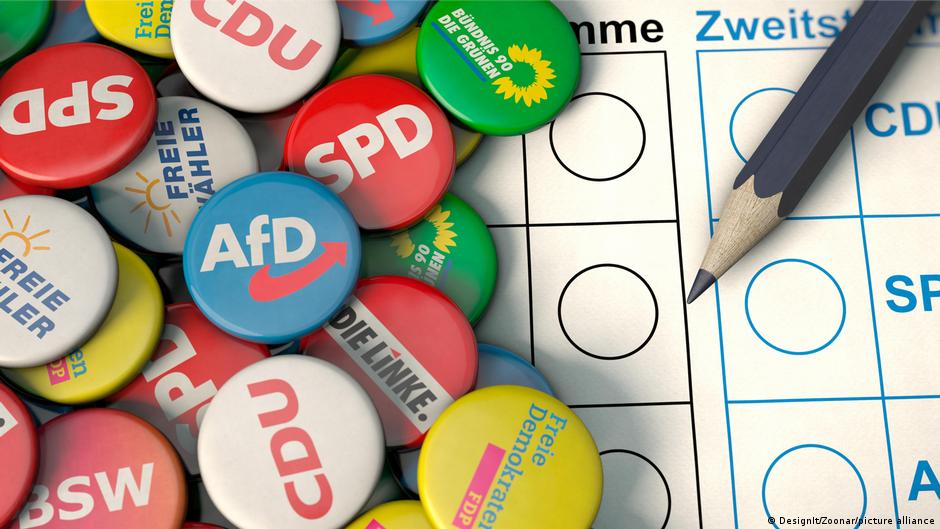
Support for Germany’s center-right conservative bloc, comprising the Christian Democratic Union (CDU) and Christian Social Union (CSU), has declined to its lowest level in five years, falling to 20% according to the latest public opinion polls. This marks a significant shift in the political landscape, as the far-right Alternative for Germany (AfD) leads with 28% support, based on research conducted by the INSA institute.
Implications for Political Strategy and Competition
The CDU/CSU, currently part of Germany’s ruling coalition, has experienced a steady erosion of its voter base. The latest Sonntagstrend survey reveals a 1 percentage point drop from early August, indicating challenges in maintaining its appeal amidst growing competition. The Greens maintain a stable position at 13%, while the Social Democratic Party (SPD)—also in government—and The Left each hold 12% support.
In addition, the liberal Free Democratic Party (FDP) has surpassed the parliamentary entry threshold with 5% support, whereas the left-populist ‘Sarah Wagenknecht Alliance’ only garners 3%, insufficient for Bundestag representation.
"These poll numbers reflect a fluid voter sentiment and highlight the growing complexity of Germany’s multiparty competition," analysts note.
The upcoming regional elections in September across Saxony-Anhalt, Mecklenburg-Vorpommern, and Berlin are poised to test these shifting dynamics. Notably, the AfD stands a realistic chance of forming a state government in Saxony-Anhalt for the first time, which would mark a milestone in German politics and potentially recalibrate coalition strategies at both regional and national levels.
Experts warn that pre-election polls may not reliably predict final outcomes due to declining traditional party loyalties and more volatile voting behavior. German voters are increasingly making decisions closer to election day, complicating forecasts. Consequently, these polls should be interpreted as snapshots of current public sentiment rather than definitive indicators of election results.
Corporate and Political Strategy Considerations
For businesses and political strategists, the evolving electoral landscape presents both risks and opportunities. Companies should closely monitor policy directions influenced by coalition shifts, especially as the AfD’s rise could impact regulatory and economic frameworks. The SPD and Greens’ steady support combined with the CDU/CSU’s decline may also influence government priorities, affecting sectors sensitive to environmental regulation and social policies.
From a management perspective, political uncertainty underscores the importance of scenario planning and stakeholder engagement, particularly for firms with significant exposure to the German market or those operating in politically sensitive industries.