ICAO Urges Stronger Civil Aviation Safeguards After Ukraine Warning
The UN aviation body’s appeal raises operational, regulatory and risk-management pressure on airlines and states over conflict-zone exposure.
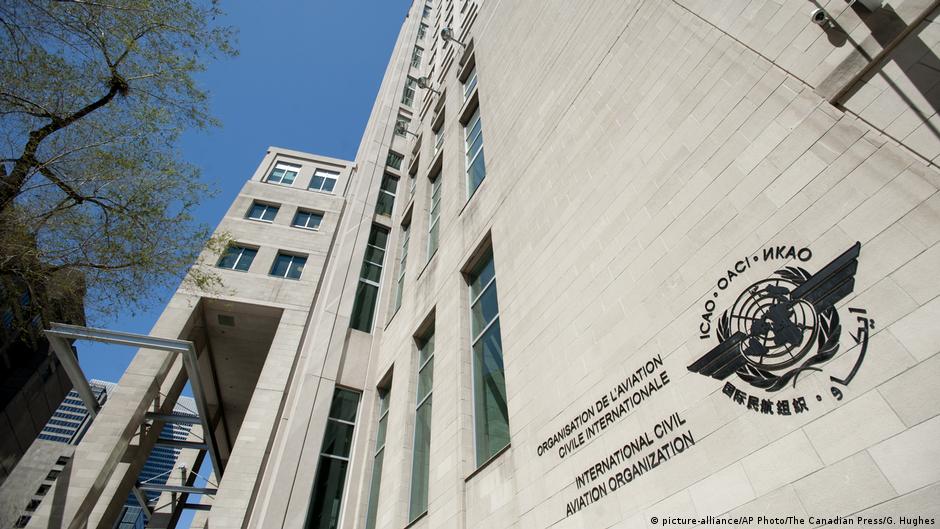
The International Civil Aviation Organization (ICAO) has called on countries to take firmer steps to protect civilian aircraft from risks linked to conflict zones, after Ukraine formally warned the organization that flights over Russia face growing danger. The statement, published by ICAO on Wednesday, September 2, stops short of naming either Russia or Ukraine, but it signals a sharper regulatory focus on how governments and airlines manage escalating airspace threats.
For the aviation industry, the message is not merely diplomatic. It goes to the center of how airlines, regulators and infrastructure operators assess route economics, operational continuity and corporate exposure when military activity intensifies near civilian traffic corridors. ICAO, a United Nations body whose membership includes 193 countries, framed its warning around the worldwide rise in the threat of weapons being used against civilian aircraft, as well as the increased risk that such planes could be deliberately targeted or caught in crossfire.
The organization specifically cited drones, long-range weapons systems, air defense systems and radio-frequency interference devices that can disrupt navigation systems as among the technologies creating danger. That list matters commercially as much as operationally. It widens the definition of risk from traditional missile threats to a broader environment in which civilian aviation can be affected by electronic warfare, misidentification and rapidly shifting military activity.
Operational Risk Moves to the Boardroom
ICAO said member states should rapidly exchange threat information when specific activity creates risks for civilian aircraft, strengthen risk-assessment mechanisms and timely decision-making, and improve coordination between military and civilian authorities to prevent civilian planes from being mistakenly identified as military targets.
“Member states should rapidly exchange information on threats in cases where certain activity creates risks for civilian aircraft, strengthen risk-assessment mechanisms and timely decision-making, and improve coordination between military and civilian authorities to prevent the mistaken identification of civilian aircraft as military targets.”
That language has direct implications for airline management. Conflict-zone overflight decisions have increasingly become a strategic issue that reaches beyond flight operations departments and into executive leadership, insurance discussions and network planning. A government advisory, an ICAO warning or even a perception gap in official reporting can force carriers to reconsider route structures, flight times and exposure to reputational damage.
Ukraine’s intervention pushed the issue into the open. Several hours before ICAO released its statement, Ukrainian Foreign Minister Andrii Sybiha said Kyiv had officially informed the organization that Russian airspace is unsafe because of intensified military activity. “We strongly urge everyone to avoid it,” he said.
Sybiha argued that Russia is deliberately ignoring existing threats created by its aggression against Ukraine and said this had already resulted in several incidents in recent years. He said that, amid what he described as a sharp escalation of Russian terror against Ukraine, Russian airspace is becoming increasingly unsafe. He said Kyiv’s notification to ICAO was intended to prevent unintended incidents.
From a business perspective, Ukraine’s move increases pressure on all stakeholders in the aviation value chain to show that they are not relying solely on routine state assurances. For airlines, particularly foreign carriers still using Russian airspace, the issue becomes one of governance as much as geography: what information is considered credible, how quickly route risk is reassessed, and who inside the company is accountable if threat conditions deteriorate faster than public guidance.
Competitive and Policy Implications
The warning also intersects with competitive dynamics. Access to major air corridors affects schedule efficiency, fuel burn, fleet utilization and the attractiveness of long-haul networks. Any growing reluctance to use a large national airspace can create uneven cost burdens across carriers, depending on geography, alliances and fleet strategy. At the same time, regulators and air-navigation authorities face pressure to prove they can maintain trust in civilian aviation even when national security conditions are worsening.
The immediate backdrop was a statement by Ukrainian President Volodymyr Zelenskyy on September 1 that airspace over Russia would gradually close because of Ukrainian drones that, he said, Russian authorities are not properly reporting. Zelenskyy said “the Russian sky is becoming completely unsafe” and added that Ukraine did not want innocent people to die and was therefore warning partners.
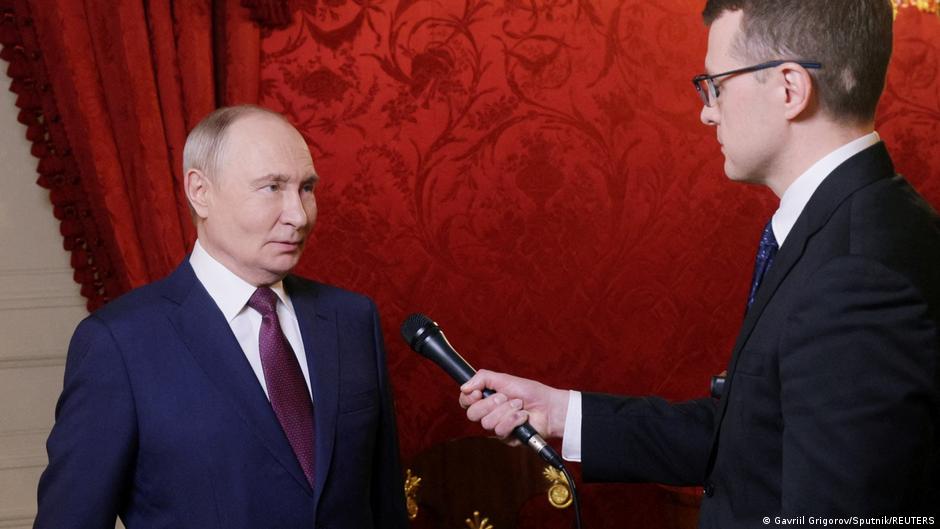
Russian President Vladimir Putin responded by calling Zelenskyy’s comments “a bid for state terrorism.” Speaking on the night of September 2 after the Shanghai Cooperation Organization summit in Bishkek, Putin said that if such tragedies were to happen, Russia would know how to respond.
Those exchanges further complicate the operating environment for airlines and for the officials who set airspace policy. ICAO’s decision not to identify either side by name preserves its institutional neutrality, but it does not soften the commercial significance of its warning. Neutral language from a global regulator can still alter internal risk models, influence insurers and affect how boards judge the acceptability of contested routes.
Later on September 2, Russia’s Federal Air Transport Agency, Rosaviatsia, said it was implementing additional measures together with other authorities for the safe use of Russian airspace and for increasing the protection of transport infrastructure on the ground. The agency said Russia’s air transport system and its ground infrastructure continued to operate as planned, receiving and dispatching flights, including those of foreign airlines.
That assurance underscores the central tension now facing the sector. On one side are official statements that operations remain normal. On the other is a rising stream of warnings about drones, long-range weapons, air defense systems and navigation interference. For carriers, airports and regulators, the cost of misjudging that gap is potentially catastrophic. ICAO’s appeal therefore functions not just as a safety notice, but as a call for stronger institutional discipline across the aviation market: faster information sharing, tighter risk controls and clearer civil-military coordination before operational continuity is overtaken by security reality.