NATO Signals Readiness to Counter Iranian Threats Targeting European Military Sites
NATO reinforces its deterrence strategy amid Iranian threats against bases in Bulgaria and Cyprus.
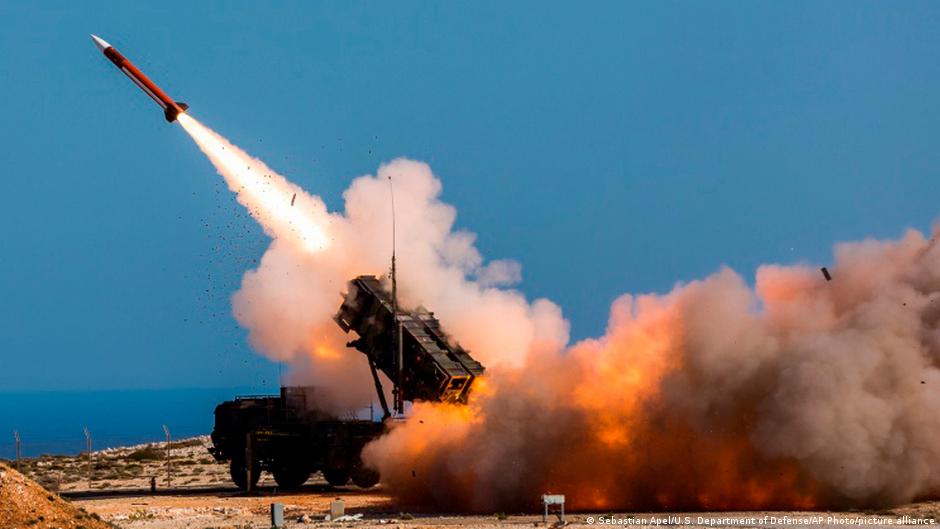
NATO has declared its preparedness to respond decisively to any threats against its member states following media reports that Iran is considering attacks on military facilities in Europe, specifically in Bulgaria and Cyprus. The alliance emphasized the strength and effectiveness of its current deterrence and defense strategy.
Strategic Implications of Iranian Threats
The recent disclosures, originally reported by the Financial Times, suggest that Iran may target military sites linked to U.S. and allied operations, including the Bulgarian airbase now used for U.S. refueling operations and British airbases located on Cyprus. These developments come amid heightened tensions between Iran and the United States, with Iranian officials warning regional partners cooperating with Washington against Tehran.
Another report by The New York Times indicated that Iran had also considered striking a Ukrainian port in retaliation for a Ukrainian military strike on an Iranian vessel in the Caspian Sea, though it eventually decided against this course of action.
“Our deterrence and defense strategy is strong and effective,” a NATO representative stated, underscoring the alliance's commitment to member protection.
Regional Trade and Political Ramifications
In response to escalating tensions, the United Arab Emirates (UAE) has suspended all trade, commercial exchanges, and financial transactions with Iran until further notice. This move followed UAE accusations that Iran launched two rockets targeting the country, aiming to disrupt maritime shipping routes—a claim Iran has categorically denied.
Meanwhile, Tehran has refrained from publicly commenting on the specific threats against Europe but reiterated warnings to Gulf states collaborating with the U.S., accusing them of facilitating attacks on Iranian territory. General Ali Abdollahi Aliabadi, a senior Iranian military official, emphasized Tehran’s resolve in responding to such cooperation against Iran.
Business and Security Outlook
These events underline the complex intersection of geopolitical risk and economic stability in the region. For defense contractors, logistics operators, and multinational corporations with supply chains traversing these areas, the potential for escalation calls for close monitoring and strategic risk management.
NATO’s public stance reflects a commitment to deterring further escalation while signaling support to its member states that serve as critical nodes for allied military operations. This situation also raises questions about the resilience of European security frameworks and the possible realignment of regional trade and defense partnerships in response to Iran’s posture.