EU and Ukraine Endorse US Senate's New Sanctions Targeting Russia’s Energy and Political Elite
The EU Commission and Ukrainian President highlight strategic impact of US sanctions on Russia’s war financing and energy exports.
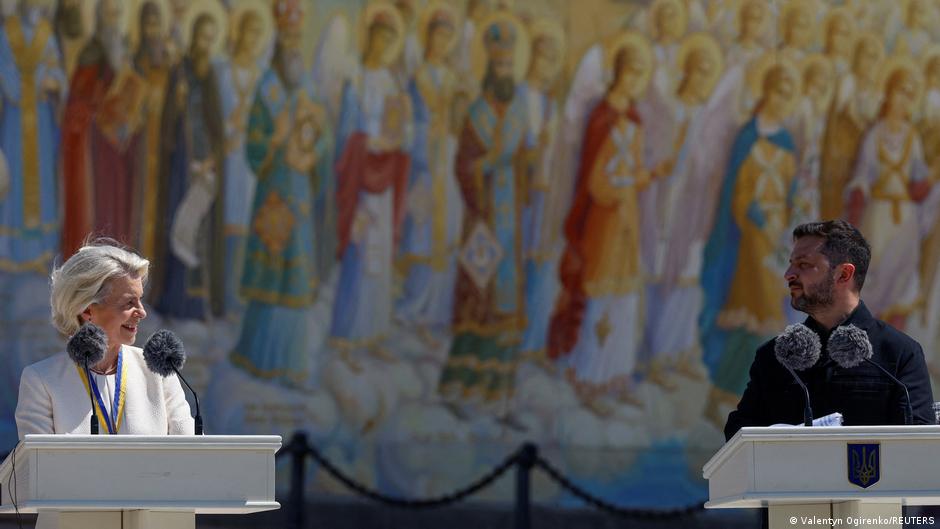
The recent approval by the US Senate of a comprehensive sanctions package against Russia has been welcomed by both the European Commission and Ukraine as a significant escalation in efforts to curtail Moscow's war capabilities and economic leverage.
Strategic Implications of Sanctions on Russia’s Corporate and Energy Sectors
On August 7, Ursula von der Leyen, President of the European Commission, publicly supported the US Senate's vote endorsing broad sanctions targeting Russian officials, key banks, the energy sector, and Russia's so-called "shadow fleet" used to circumvent oil export restrictions. The legislation, named after the late Senator Lindsey Graham, aims to restrict Russia's financial resources critical for sustaining its military operations.
"Together we will deprive Russia of the means to continue a war it cannot win," von der Leyen stated on social media, emphasizing the importance of coordinated transatlantic action between Europe and the United States.
The sanctions package is set to impact multiple facets of Russia’s corporate landscape by imposing restrictions on prominent oligarchs, government officials, and financial institutions that directly assist Moscow’s war effort. Of particular note is the focus on the energy sector, a cornerstone of Russia’s economy, including measures to clamp down on the "shadow fleet"—a network of vessels engaged in evading international oil export sanctions.
Importantly, the legislation grants the US President authority to impose tariffs of up to 100% on goods from countries that remain significant purchasers of Russian oil and gas, thereby exerting additional economic pressure on Russia’s trading partners to reduce reliance on Moscow’s energy exports. Nevertheless, the law includes provisions exempting countries that source less than 15% of their natural gas from Russia and are actively taking steps to decrease imports.
Following Senate approval with a strong bipartisan vote (86-11), the bill now advances to the House of Representatives, though further action is expected only after the summer recess in September.
Ukrainian Leadership Highlights Ongoing Military and Strategic Needs
Ukrainian President Volodymyr Zelensky also expressed gratitude for the Senate’s decision, underlining the sanctions’ role in intensifying pressure on Russia to cease its aggression. At the same time, Zelensky drew attention to Ukraine's critical need for advanced air defense systems, specifically the Patriot missile batteries, which had previously been withheld by the US administration.
"With Russia relying increasingly on ballistic missile strikes, securing Patriot missiles remains vital for our defense and for hastening an end to this war," Zelensky noted in a Telegram message.
This point underscores a nuanced dynamic whereby diplomatic and economic measures are complemented by military aid considerations, reflecting the broader strategic calculus in the ongoing conflict.
Corporate and Geopolitical Consequences
For multinational corporations and global energy markets, the sanction package signals an escalated risk environment in dealings with Russia. Financial institutions and firms operating in sectors linked to Russian energy exports will need to reassess compliance frameworks and exposure to secondary sanctions risks.
Moreover, the ability of the US administration to impose tariffs on third-party countries incentivizes buyers to diversify away from Russian energy, potentially accelerating shifts in global supply chains and energy sourcing strategies.
Overall, this coordinated transatlantic approach demonstrates the evolving landscape of economic statecraft aimed at undermining Russia’s capacity to finance and sustain its military engagement in Ukraine.