US Defense Firms Fear Ukraine Could Enhance and Mass-Produce Patriot Missiles
Raytheon and Lockheed Martin express concerns over potential Ukrainian upgrades and production of Patriot interceptor missiles under licensing agreements.
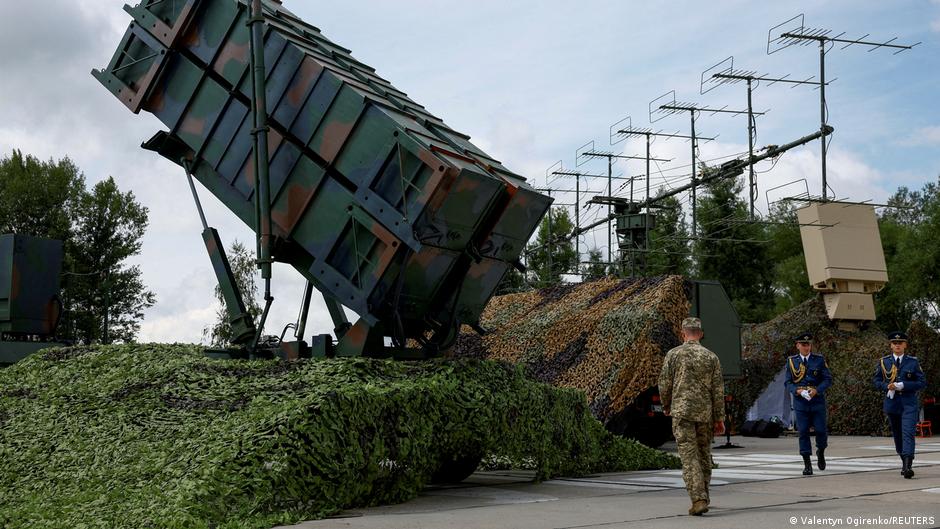
Leading American defense contractors Raytheon and Lockheed Martin have voiced apprehensions regarding the prospect of Ukraine obtaining licenses to manufacture Patriot interceptor missiles. They fear that Ukraine could improve the missile technology and scale up production far more rapidly and cost-effectively than current US manufacturing lines allow.
According to reports referencing US congressional discussions, these concerns center on potential intellectual property theft and the unauthorized transfer of sensitive technology if licenses are granted to Kyiv. The companies argue that such developments could disrupt the competitive landscape for US defense manufacturers and complicate control over critical missile technologies.
Strategic Implications for US-Ukraine Defense Collaboration
President Volodymyr Zelensky has publicly remarked on his early requests for Patriot missile licenses, noting that had Ukraine received these approvals years ago, it might have significantly altered the battlefield dynamics against Russia. Despite agreements reached during the Trump administration, bureaucratic delays continue to stall the licensing process.
"We are not dealing with paperwork; real deadly missiles are flying towards us," Zelensky emphasized, urging both the United States and European partners to expedite licensing decisions.
High-level Ukrainian officials reportedly raised the issue with former US Defense Secretary Lloyd Austin and National Security Advisor Jake Sullivan, but were met with refusals without clear explanations. The hesitation reflects broader strategic concerns within the US government over war-time technology proliferation and post-conflict geopolitical ramifications.
Experts suggest that if Ukraine were permitted to produce surplus Patriot missiles, it could potentially supply not only its own defense needs but also bolster allied arsenals, creating competitive tensions for US manufacturers. This prospective shift challenges existing defense supply chains and raises questions about intellectual property safeguards.
In contrast, former President Donald Trump criticized the Biden administration for depleting US missile stocks through aid to Ukraine, underscoring the domestic resource strain. Trump highlighted that restoring US munitions reserves is ongoing and implied that additional transfers might impair American defense readiness.
The ongoing debate exemplifies the complex balance between supporting an ally under conflict and protecting national industrial interests. US defense firms are navigating concerns of technology control, competitive positioning, and geopolitical strategy as licensing decisions remain pending.