Latvia Publishes First List of 170 Firms Continuing Trade with Russia Amid Ukraine Conflict
Latvia releases registry of companies maintaining business ties with Russia and Belarus despite ongoing war, aiming for transparency and market accountability.
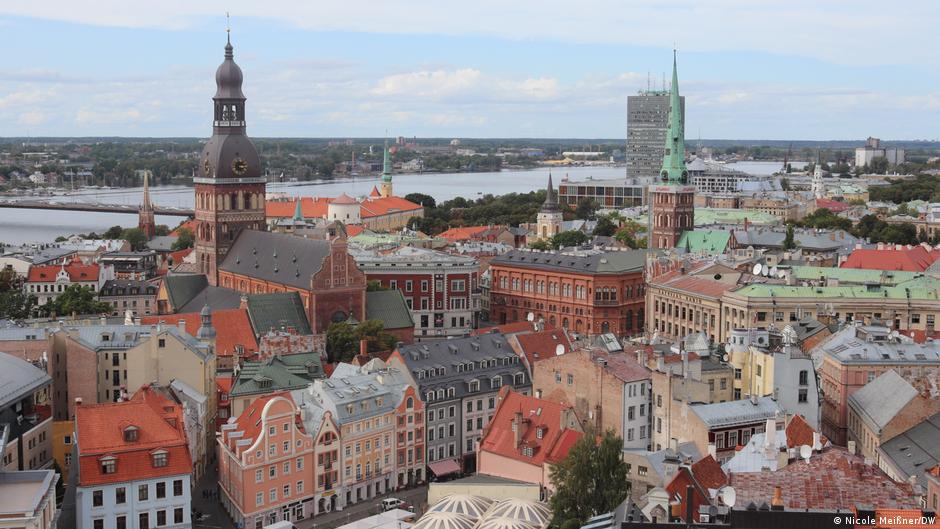
On August 20, Latvia's Central Statistical Bureau made public for the first time a comprehensive list of approximately 170 Latvian companies that continue to engage in trade with Russia and Belarus despite the ongoing Russian military aggression against Ukraine. This unprecedented disclosure sheds light on the complex intersection of business interests and geopolitical tensions in the Baltic region.
Corporate Trade Amid Sanctions and Public Scrutiny
The list includes companies that either export goods to or import products from Russia and Belarus. Importantly, these businesses are not violating international sanctions, as the trades concern sectors not subject to restrictions, such as food products and pharmaceuticals.
The publication stems from amendments passed in June to Latvia’s law supporting Ukraine’s civilian population, which mandated transparency regarding firms operating with Russia and Belarus. Previously, such details were confidential and inaccessible to the public.
"The registry empowers consumers, business partners, and other stakeholders to make informed decisions about their continued cooperation with the companies listed," a government spokesperson explained.
Latvia, a close ally of Ukraine, has adopted a cautious stance since the full-scale Russian invasion began. The government has imposed numerous import restrictions targeting Russian and Belarusian goods, and many Latvian companies have voluntarily ceased or reduced their trading activities with these countries.
Strategic Implications for Latvian Businesses
From a corporate strategy perspective, the release of this list represents a significant shift in accountability and market pressure. Firms maintaining trade relations may now face reputational risks, potentially affecting their domestic and international partnerships. This transparency move could catalyze strategic realignments, encouraging companies to reconsider their exposure to politically sensitive markets.
Furthermore, the monthly updates planned for the registry will keep the business community and consumers informed about ongoing developments. This dynamic monitoring mechanism underscores the Latvian government's intent to maintain pressure on enterprises to align with national and allied geopolitical stances.
The publication of this list also impacts the competitive landscape within Latvia. Companies choosing to sever ties with Russia and Belarus might gain goodwill and enhanced brand equity, while those continuing trade face potential backlash. Stakeholders must weigh the commercial benefits against ethical considerations and public perception.
Outlook and Broader Regional Context
Latvia’s approach exemplifies how governments in proximity to conflict zones are leveraging transparency as a strategic tool to influence corporate behavior. By bringing trade activities into the public domain, authorities aim to support Ukraine indirectly while safeguarding their national security interests.
As geopolitical tensions persist, Latvian companies will need to continually assess their cross-border engagements within an evolving regulatory and reputational environment. The recent disclosure sets a precedent that may inspire similar measures in other countries facing comparable challenges.