Serbia to Hold Early Parliamentary Elections in October 2023, President Vučić Announces
Serbia’s President Aleksandar Vučić confirms early elections amid ongoing protests and political unrest.
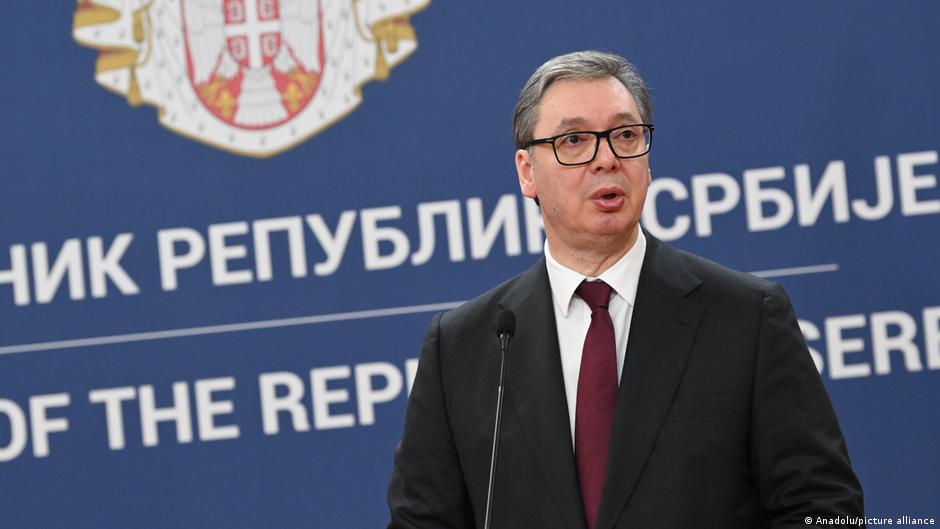
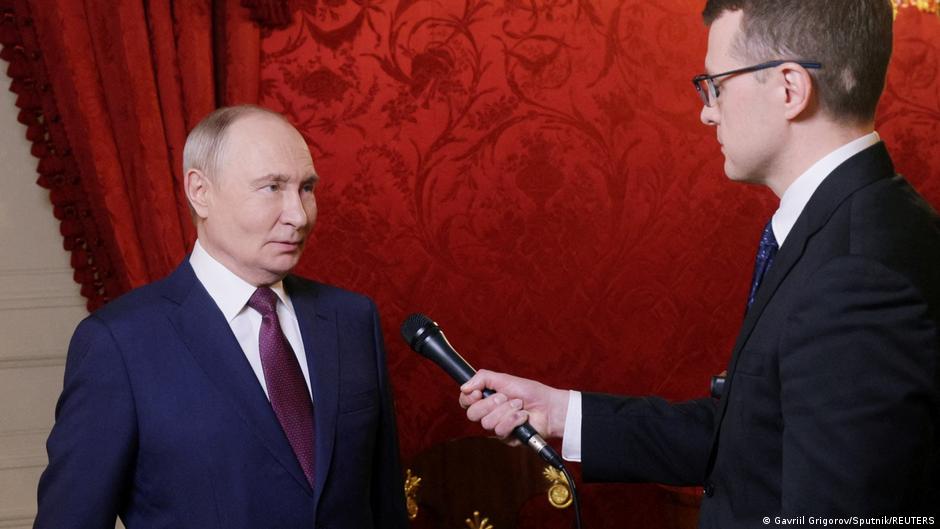
Serbia is set to hold early parliamentary elections in October 2023, more than a year ahead of the originally scheduled date, President Aleksandar Vučić announced during a broadcast on RTS television on August 20.
The elections will take place either on October 18 or October 25, with the exact date to be confirmed in the coming days. Vučić’s decision comes amid mounting political pressure and widespread public protests demanding governmental accountability and anti-corruption measures.
Political Context and Strategic Implications
President Vučić, who has been in power for 12 years, had previously indicated plans to step down early. His current presidential term is set to expire in mid-2027. Serbian constitutional law prohibits any individual from serving more than two presidential terms, which limits Vučić’s political future unless new roles or alliances are forged within Serbia's political landscape.
The announcement of early elections is a significant strategic move designed to reset political dynamics ahead of potential shifts in public sentiment. It also allows Vučić and his party to attempt to consolidate power before the constitutional deadline for his presidency expires.
"The early elections mark a critical juncture for Serbia’s political trajectory amid ongoing social unrest and demands for reform," analysts say.
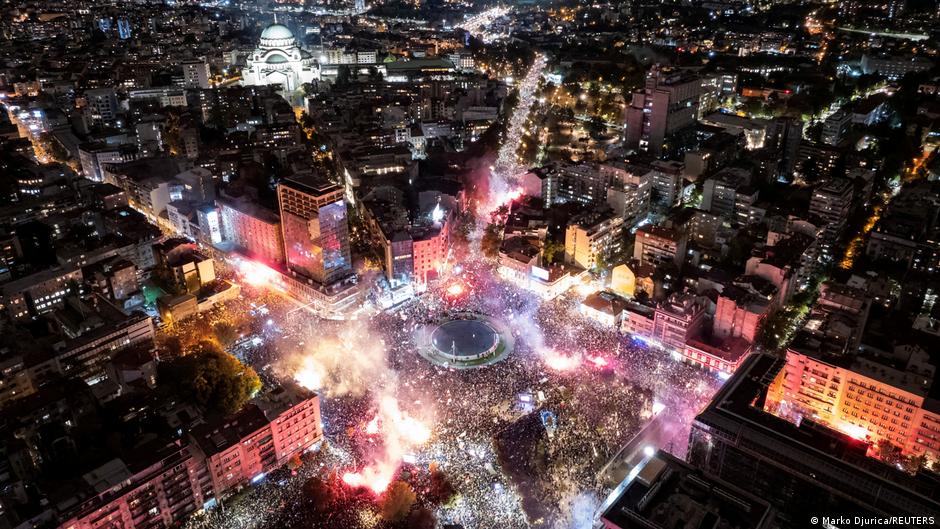
Since early 2022, Serbia has witnessed sustained protests triggered by public outrage over governmental corruption and a tragic accident involving a railway station canopy collapse in Novi Sad that claimed 16 lives. These protests, particularly led by students, have drawn tens of thousands of participants and spotlighted accusations against Vučić’s administration, including alleged ties to organized crime, suppression of political dissent, and media restrictions.
Opinion polls reveal that approximately 80% of the Serbian populace supports the anti-corruption demands voiced by protesters, while around 64% endorse the continuation of the demonstrations themselves. This widespread public discontent presents both a challenge and an opportunity for the ruling party to recalibrate its political strategy.
Corporate and Economic Considerations
Early elections in Serbia also carry implications for the country's business environment and foreign investment climate. Political stability is a critical factor for investors, particularly in sectors such as infrastructure, energy, and manufacturing, where state policy and regulatory frameworks play pivotal roles.
Investors and corporate stakeholders will be closely monitoring how the election outcomes affect governance reforms, anti-corruption initiatives, and Serbia’s alignment with European Union standards. A successful government reshuffle that addresses corruption concerns could improve Serbia’s attractiveness as a regional business hub. Conversely, prolonged political uncertainty may dampen investor confidence and slow economic momentum.
Vučić’s move to call early elections can be interpreted as an effort to regain control over the political narrative and provide clarity to both domestic and international audiences regarding Serbia’s future trajectory.
Outlook and Competitive Landscape
The upcoming elections will test the strength of Serbia’s ruling party against opposition forces energized by ongoing protests. The electoral process itself will be a critical indicator of the country’s democratic health and institutional integrity.
Political analysts suggest that the ruling Serbian Progressive Party will seek to leverage its established networks and administrative resources, while opposition parties aim to capitalize on public dissatisfaction to gain parliamentary ground.
How the election results will reshape Serbia’s political and economic landscape remains to be seen, but the decision to hold early elections underscores a pivotal moment in the nation’s governance and strategic positioning in the Balkan region.