Venezuela Releases 131 Political Prisoners Following National Reconciliation Talks
Government and opposition agree on judicial reforms and continue efforts toward national reconciliation in Venezuela.
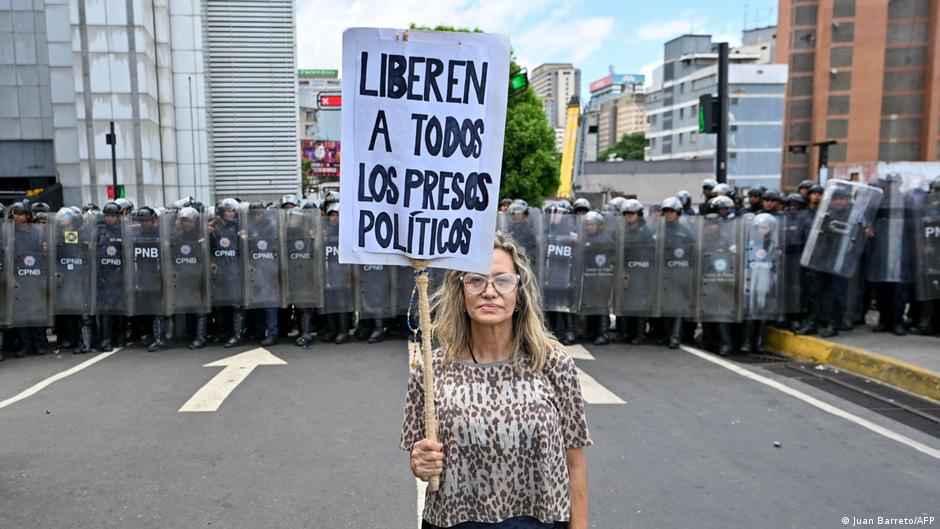
On August 14, 2023, the Venezuelan government released 131 political prisoners following the first round of national reconciliation talks with the opposition. This move marks a significant step in the fragile dialogue aimed at resolving the country's deep political crisis.
Background and Negotiation Outcomes
The negotiations between Venezuela's interim government and opposition representatives concluded their initial round on August 12. The discussions yielded an agreement on judicial reform and the release of a notable number of political detainees.
According to government statements, those released had previously been detained due to alleged or confirmed involvement in crimes. Instead of continued incarceration, they were assigned alternative liberty restrictions, although the government has not disclosed the specifics of these measures.
"Not all have been freed, but all political prisoners deserve full freedom. We must relentlessly demand this until every citizen is reunited with their family," said Dinora Figuera, leader of the opposition delegation.
The United States has welcomed the prisoner release, with U.S. Secretary of State Marco Rubio describing it as an "important step toward national reconciliation." He noted that since the start of the year, over 1,046 political prisoners in Venezuela have been freed.
Strategic Implications for Venezuela's Political Landscape
The release of political prisoners and the agreement on judicial reform reflect a strategic recalibration by the Venezuelan interim government under international pressure, particularly from Washington. Ahead of the dialogue, acting President Delcy Rodríguez signed an amnesty law facilitating the release of hundreds of detainees, indicating a willingness to engage constructively with opposition forces.
These developments could signal a shift in Venezuela's governance strategy aimed at stabilizing the country’s internal political environment. By addressing judicial concerns and easing political tensions through prisoner releases, the government may be seeking to bolster legitimacy and attract external support amid ongoing economic and diplomatic challenges.
However, the ambiguity surrounding the "alternative liberty restrictions" and the incomplete release of all political prisoners suggest that negotiations remain delicate and ongoing.
For businesses and investors, these political dynamics could influence market confidence and regulatory risks in Venezuela. Continued progress toward national reconciliation may improve the operating environment, whereas setbacks could exacerbate instability.