Putin and Zelensky Signal Openings for Talks as U.S. Envoys Re-enter Frame
Fresh statements from Moscow and Kyiv point to renewed diplomatic maneuvering, with U.S. intermediaries again shaping the process and its constraints.
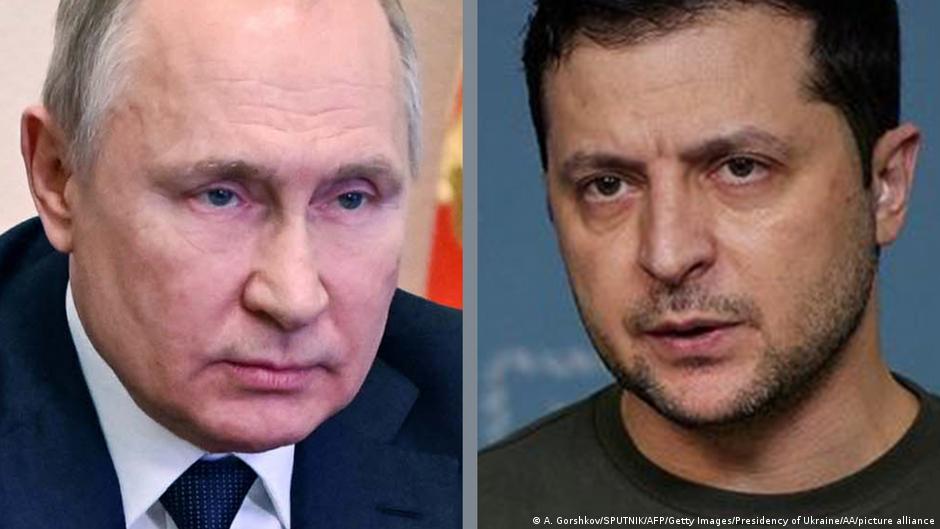
Russia and Ukraine have both publicly pointed to a possible diplomatic opening to end the war, but the latest signals from President Vladimir Putin and President Volodymyr Zelensky also underline how conditional, fragmented and politically managed that path remains. For business and policy observers, the developments matter less as a breakthrough than as a fresh indication of how the negotiating architecture around the conflict may be evolving, with Washington attempting to reinsert itself as a broker while both warring parties protect their own leverage.
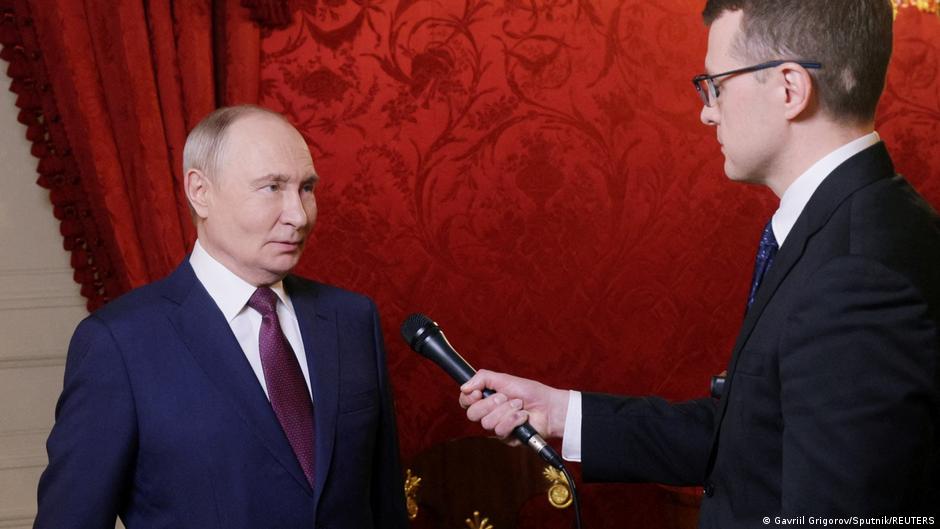
Speaking on the sidelines of the Eastern Economic Forum on Thursday, September 3, Putin said he believed the chances of achieving peace in Ukraine through diplomacy do exist. At the same time, he framed any progress as something that must be decided directly by Moscow and Kyiv, with outside countries playing only a supporting role.
“Russia and Ukraine must first and foremost reach an agreement with each other. And all other countries are ready to support and help. This is the right approach. But we are grateful to everyone who is trying to contribute to resolving this issue. Are there chances? In my view, yes, there are.”
That formulation is strategically significant. By emphasizing bilateral ownership of any settlement while welcoming outside assistance, the Kremlin appears to be preserving maximum flexibility: it can engage foreign interlocutors without conceding that the decisive terms should be set externally. For investors, corporate planners and executives tracking geopolitical risk, that position suggests Moscow is still trying to manage the process from a position of sovereignty rather than submission to a Western-led framework.
Putin also said that Moscow and Kyiv have maintained contacts through their intelligence services, though he said he could not say how much that might contribute to peace. He paired that acknowledgement with a list of constraints, citing Ukrainian attacks on transport vessels in the Black Sea and statements from Kyiv about the unsafety of Russian airspace. According to the Russian president, such factors complicate the possibility of bilateral peace negotiations.
Those comments fit a familiar pattern in high-stakes diplomacy: publicly endorse the idea of talks, while documenting the operational and political reasons why rapid progress may be unrealistic. In practice, that allows the Kremlin to signal reasonableness to foreign audiences without lowering its threshold for engagement.
Washington’s broker role returns, but with limits
Later the same day, Zelensky also spoke of the prospect of renewed talks with Russia, though from a different angle. In his evening video address, the Ukrainian president said representatives of the United States would soon visit both Kyiv and Moscow and that possible peace terms would be discussed during those meetings.
“There are preliminary dates. We expect representatives of the U.S. president to come here, to Kyiv. We already have confirmation from them: there will be a meeting in Moscow and in Kyiv.”
Zelensky added that Ukraine is in constant contact with the American team. Days earlier, he reported a phone conversation with U.S. President Donald Trump’s special envoys, Stephen Witkoff and Jared Kushner, during which he told the American representatives that Russia’s battlefield gains were “insignificant.” That is not just a military talking point. It is also a negotiating message aimed at Washington: Ukraine is signaling that it should not be pushed into talks from a position it considers strategically weakened.
From a business analysis standpoint, the reappearance of named U.S. intermediaries matters because it suggests the process may be moving toward a more transaction-driven model. Witkoff and Kushner are associated with dealmaking, political access and leader-level channels. Their involvement points to a management style centered on top-down negotiation rather than a slow-moving multilateral process.
The latest discussion of possible talks revived shortly after CIA Director John Ratcliffe made an unannounced visit to Moscow in late August. According to Axios, a representative of the Trump administration proposed, among other ideas, a trilateral meeting of the presidents of the United States, Russia and Ukraine to discuss ending the war through diplomacy.
Trump, however, later rejected the idea of holding such a trilateral summit in the near term. Speaking to reporters after the media reports, the U.S. president said Putin would agree to such a meeting if Trump wanted it and that Washington could organize a summit “immediately.” But he also made clear that he wanted any meeting to happen only when the sides were ready to conclude a peace agreement.
“But I want to hold the meeting when we are ready to conclude a peace agreement.”
That distinction is central. It indicates the White House is trying to avoid a high-visibility summit that produces optics without a deal. In corporate terms, Trump appears to be resisting a boardroom-style headline event unless the underlying transaction has already been structured. The approach reduces reputational risk for Washington, but it also means the pre-negotiation phase could be prolonged and heavily dependent on shuttle diplomacy.
Trump also said that “Putin and Zelensky should stop this stupid war,” again assigning blame for the continuing fighting to both Moscow and Kyiv. He argued that personal hostility between Zelensky and Putin is one of the obstacles to peace, saying this was one reason the conflict he had promised to “end in a day” had proved more difficult than the “eight wars” he says he stopped in less than two years in office.
For the competitive landscape in diplomacy, that rhetoric shows the United States is attempting to position itself not simply as Ukraine’s backer or Russia’s opponent, but as a principal deal architect. Yet the constraints are obvious. Putin is insisting the core bargain must be struck directly between the belligerents. Zelensky is keeping the U.S. engaged while arguing that Russia’s military progress is limited. Trump is signaling readiness to convene leaders, but only once a viable settlement package is within reach.
The result is a negotiating environment that resembles a complex merger process without agreed terms: principals acknowledge strategic logic in reaching a deal, advisers shuttle between sides, and each party tries to shape perceptions of leverage before formal commitments are made. For markets and companies exposed to the region, the immediate takeaway is not that peace is imminent, but that diplomatic channels are active again at multiple levels. That alone may affect expectations around sanctions risk, logistics routes, security calculations and the timing of any broader policy shifts tied to the war.
Whether those channels mature into substantive talks will depend on whether the current mix of leader messaging, intelligence contacts and U.S. mediation can produce a framework both sides are willing to test. For now, the statements from September 3 suggest a reopening of the process, not a resolution of the conflict.