US Military Strikes Merchant Vessel Attempting to Breach Iran Blockade Amid Strait of Hormuz Control Claims
US forces disabled the steering of a Panamanian-flagged container ship trying to enter an Iranian port, reinforcing the American blockade and control of strategic waterways.
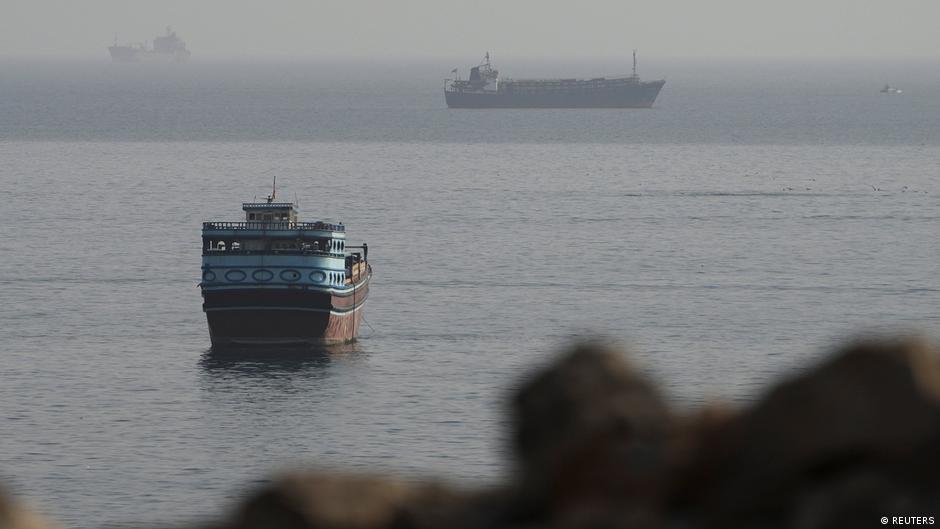
The US military launched a targeted missile strike against the steering mechanisms of the container ship M/V Vela Nova, which was attempting to violate the blockade imposed on Iran by entering one of its ports. This incident underscores the heightened tensions and strategic maneuvers in the geopolitically critical Strait of Hormuz region.
Strategic Enforcement of the Iran Blockade
On August 11, the United States Central Command (CENTCOM) reported the missile attack on the cargo vessel sailing under the Panamanian flag. The container ship was trying to navigate through the Gulf of Oman to an undisclosed Iranian port despite repeated warnings from US forces. When the civilian crew failed to comply with these warnings, a US Navy MH-60 helicopter fired two Hellfire missiles at the ship's engine room, effectively disabling its steering capabilities.
"After multiple warnings were ignored by the civilian crew, the US Navy helicopter fired two Hellfire missiles disabling the vessel's steering," stated CENTCOM.
This operation is part of a broader campaign by the United States to enforce a maritime blockade designed to restrict Iran’s access to international shipping lanes. According to CENTCOM data as of August 11, the US military has redirected 55 commercial vessels attempting to breach the blockade, disabled three vessels that violated it, and boarded two others.
Maritime tracking data from VesselFinder indicated that the last known position of the Vela Nova was in the Indian port of Nhava Sheva on August 6, prior to the attempted breach.
Implications for Corporate Shipping and Regional Stability
The US military’s decisive actions reveal a clear intent to maintain control over critical maritime chokepoints and signal to the shipping industry the risks of engaging in trade routes considered hostile by US policy. The Strait of Hormuz is vital for global energy transportation, with a significant percentage of the world’s oil passing through it. The US claims complete control over this waterway, a statement reiterated by President Donald Trump.
President Trump emphasized the strategic dominance of the US in the region, stating, "Things with Iran are going very well. We fully control the Strait of Hormuz." He further signaled a firm stance by warning that any Iranian provocations would be met with strong repercussions.
On the other side, Iran has recently put forth new conditions for reopening the Strait of Hormuz to international shipping, demanding compensation for damages from past conflicts and the lifting of economic sanctions.
Corporate Strategy and Risk Management in Volatile Regions
The incident highlights the critical need for shipping companies and logistics firms to continuously assess geopolitical risks when operating in contested regions. The US enforcement of the blockade and Iran’s counter-demands create a complex environment for corporate decision-makers involved in maritime trade and supply chain management.
For companies operating container vessels and other merchant ships, compliance with international regulations and US directives becomes paramount to avoid costly confrontations or vessel incapacitations. Additionally, the evolving situation calls for enhanced due diligence, alternative route planning, and engagement with political risk insurance providers to mitigate exposure.
Strategically, the US maneuver serves as a reminder that management decisions at the intersection of geopolitics and commerce can have significant operational and financial consequences.