Russia Develops Shadow Air Fleet to Sustain Military Operations in Africa’s Sahel Region
A complex network of military and private aircraft bypasses Western sanctions to supply Russian forces in Africa, highlighting strategic logistics innovation.
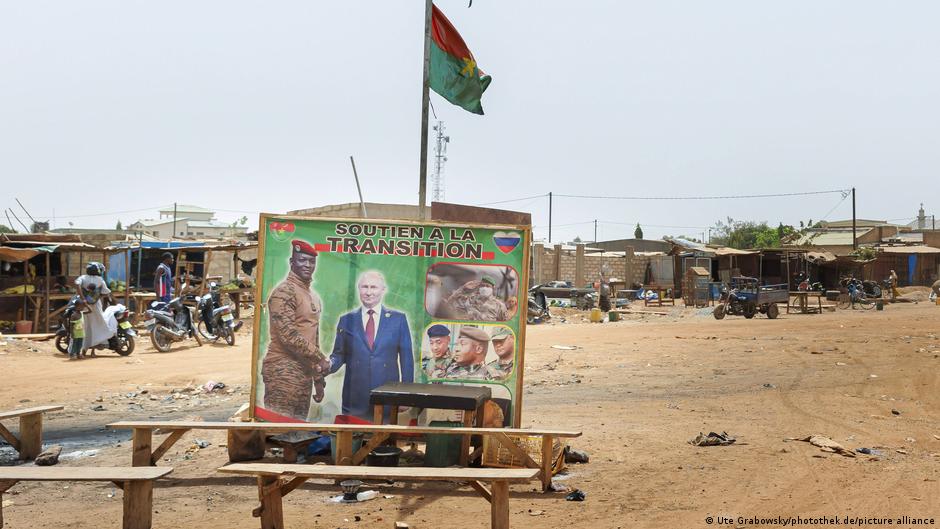
Russia has established a sophisticated "shadow air fleet" to support its military personnel operating in Africa’s Sahel region, according to an investigative report by a US-based defense research nonprofit and a European news portal.
Strategic Aviation Network Circumventing Sanctions
The shadow air fleet comprises both military and private aircraft operating extensive supply routes between Russia and African countries including Mali, Burkina Faso, and Niger. From January 2025 through July 2026, analysts documented at least 75 flights servicing these destinations, evidencing a complex logistics infrastructure that enables Moscow to maintain its military footprint despite stringent Western sanctions.
This aviation network mirrors the mechanisms previously employed by Russia’s maritime oil export operations, which use similar shadow logistics to evade trade restrictions.
"If these aircraft and companies deliberately transport Russian military personnel or cargo to support deployments in Africa, targeted sanctions must be imposed regardless of aircraft registration," stated a European parliamentarian advocating for urgent EU action.
The primary operator identified is the 224th Flight Detachment, a state-controlled unit under the Russian Ministry of Defense now subject to US sanctions. However, other involved entities, such as Sapsan Airlines, Liz Aviation, and the Russian Ministry of Emergency Situations’ aviation, remain free of EU, US, or UK restrictions, enabling continued operations.
These companies frequently utilize commercial hubs in Turkey, Algeria, and the United Arab Emirates, while state-owned aircraft transit Russian-controlled bases in Syria and Libya, illustrating a multilayered routing system that integrates both government and private sector assets.
Implications for Corporate Strategy and International Sanctions
The emergence of this shadow air fleet demonstrates Russia’s adaptive strategic management in overcoming logistical challenges imposed by international sanctions. By leveraging a hybrid model of military and private aviation capabilities, Moscow maintains operational flexibility and resilience in contested regions.
From a business perspective, this model reveals how state-linked enterprises and private companies collaborate to sustain critical supply chains under geopolitical pressure, highlighting potential vulnerabilities in sanction enforcement and the necessity for enhanced regulatory oversight.
European policymakers have called for immediate assessment and possible expansion of sanctions to include all parties involved in this network, underscoring the intersection of corporate operations and international security policy.
As Russia continues to assert its influence in Africa through military and corporate channels, the shadow air fleet serves as a case study in the dynamic competitive landscape of global defense logistics and the evolving tactics employed to circumvent economic constraints.