Russian Prosecutor General Declares Human Rights Foundation Undesirable Amid Strategic Leadership Shift
Russia labels the US-based Human Rights Foundation undesirable as the organization appoints Yulia Navalnaya as its new chair in 2024.
The Russian Prosecutor General's Office has officially designated the American non-profit Human Rights Foundation (HRF) as an undesirable organization within Russia. This move, announced on August 6, 2024, reflects the ongoing tensions surrounding HRF's activities and its strategic leadership changes.
Corporate Strategy and Geopolitical Positioning
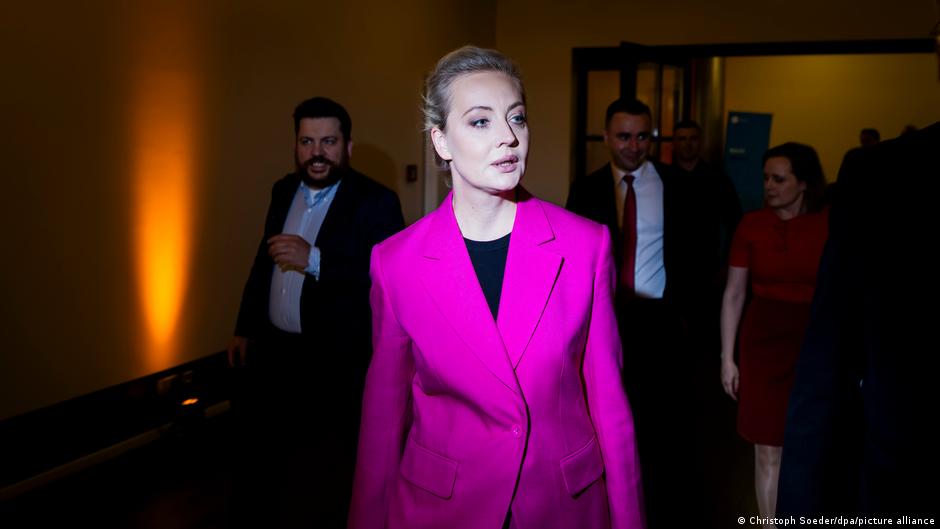
Founded in 2005, the Human Rights Foundation focuses on promoting and protecting human rights globally. In 2024, HRF appointed Yulia Navalnaya as its chairperson, succeeding chess world champion and noted opposition figure Garry Kasparov. This leadership transition signifies a recalibration of the foundation's approach amid evolving geopolitical challenges.
The Russian Prosecutor General's Office cited HRF's launch of the "Tyranny Tracker" project as a critical factor in the designation. The Tyranny Tracker is an interactive digital map assessing countries' adherence to democratic values. Russia is specifically flagged as a fully authoritarian state within this tool, highlighting the foundation's critical stance towards the Russian government's governance model.
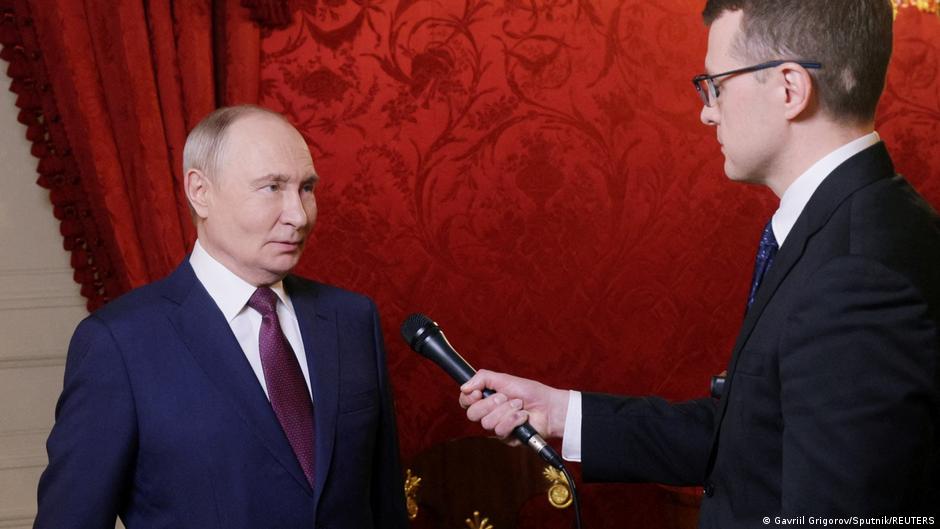
"The foundation spreads information discrediting the Russian army and supports other organizations previously declared undesirable," the Prosecutor General's statement noted.
The designation effectively restricts HRF's ability to operate within Russia, curtailing its collaborations with local entities and limiting its access to the Russian audience. This move aligns with a broader Russian government strategy to control narratives related to human rights and political dissent, particularly from organizations linked to Western countries.
Implications for HRF's Management and Competitive Landscape
The appointment of Yulia Navalnaya, a prominent figure linked to political opposition within Russia, signals HRF's intent to maintain a strong stance on human rights advocacy despite increased governmental pushback. This shift may represent an adaptive management strategy aimed at leveraging Navalnaya's profile to bolster international attention and funding.
However, the designation as an undesirable organization poses significant operational risks, including the potential for curtailed funding pipelines, restricted partnerships, and increased scrutiny from Russian authorities. HRF must navigate this challenging environment to sustain its mission while mitigating legal and reputational risks.
From a competitive perspective, HRF faces intensified pressure from government-aligned organizations and other NGOs positioned within Russia's regulatory framework. The unfavorable classification could hinder HRF's influence in Eastern Europe and Central Asia, areas critical to its strategic objectives.
Conclusion
The Russian government's designation of HRF as an undesirable organization marks a significant development in the interplay between civil society organizations and state authorities. Coupled with the strategic leadership change at HRF, these events underscore a complex competitive landscape where management decisions and geopolitical positioning profoundly impact organizational viability and influence.