Latvia Links Leipzig Sabotage Suspect to Russia as Europe Tightens Controls
The investigation is widening from airport security to visa vetting, sanctions enforcement and the strategic resilience of logistics networks across Europe.
Latvia said a man suspected of involvement in an alleged sabotage operation at Leipzig airport had been living permanently in Russia in recent years, adding a new cross-border dimension to a case that is already reshaping how European governments assess risks to transport infrastructure, sanctions enforcement and the movement of individuals across the Schengen area.
According to a statement by Latvia’s State Security Service cited on Thursday, September 3, by Latvian news agency Leta, the suspect is a Russian-born Latvian citizen who had not been living in Latvia in recent years. The agency also confirmed that Riga is cooperating with German investigators and providing the necessary support, while declining to comment further because the investigation is ongoing.
Germany’s federal prosecutor had not issued an official public comment on the investigation at the time described in the source material. Earlier, German investigators had identified two suspects in the attempted sabotage case, according to reporting cited from
Die Süddeutsche Zeitungand broadcasters NDR and WDR. Those reports said the alleged attempted attack on a Ukrainian transport aircraft involved a Russian-born man with Latvian citizenship and a Belarusian man with Russian citizenship.
For business and policy stakeholders, the case matters well beyond criminal liability. Leipzig is a major logistics hub, and the incident touches on the operational vulnerability of European cargo aviation, the scrutiny applied to dual nationals and cross-border travelers, and the wider question of how states respond when critical commercial infrastructure becomes entangled in geopolitical conflict.
Security Shock Extends Into Logistics and Governance
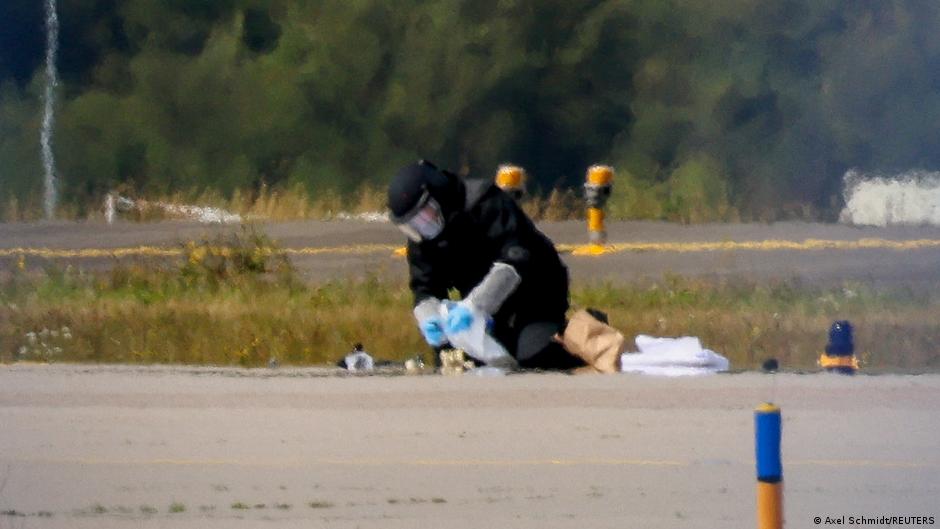
The alleged attempted sabotage targeted a Ukrainian Antonov An-124 cargo aircraft on August 4. According to investigators, at least three drones were involved. One drone equipped with explosives was found near several Ukrainian cargo aircraft. A second drone is believed to have crashed into a DHL cargo plane minutes after the first was discovered. A third drone was found 10 days later, on August 14, in a field west of the airport. Investigators found about 50 grams of a substance next to it that was initially assessed as hexogen.
The practical implications for corporate operators are significant. A suspected multi-drone attack in the vicinity of cargo aircraft raises questions about perimeter security, surveillance coverage, incident response protocols and the resilience of airport operations that serve time-sensitive freight networks. For carriers, freight forwarders and airport managers, even a contained incident can trigger delays, higher insurance scrutiny and fresh compliance costs.
The presence of a DHL aircraft in the investigative narrative also underscores how private-sector logistics groups can become exposed to geopolitical spillover without being the primary intended target. In that sense, the case highlights a growing management challenge for transport and supply-chain executives: distinguishing between conventional operational risk and security threats with strategic or state-linked characteristics.
Visa Controls and European Coordination Under Pressure
The second suspect reportedly entered the Schengen area using an Italian tourist visa. The document was issued in late April at an Italian diplomatic mission in Minsk. After that information emerged, Rome said it would examine the circumstances under which the visa had been issued.
That detail broadens the issue from sabotage prevention to the governance of entry controls across the European Union. From a business perspective, it points to a familiar strategic tension in Europe’s internal market: the bloc depends on the efficient movement of people and goods, but its openness can create exposure if screening systems fail to identify individuals who do not initially raise suspicion.
“The investigation will be carried out. However, all this confirms that there are attempts by a number of countries ... to take action against the EU, including by involving people who have no criminal record and do not arouse suspicion.”
Italian Foreign Minister Antonio Tajani was also quoted as saying that this was why continued vigilance was necessary, adding that he knew what methods and tools such countries had used in the past and that Europe must remain on guard.
For companies operating in aviation, freight and border-adjacent industries, that political message is likely to translate into tougher compliance environments rather than a narrow law-enforcement response. More intensive document review, closer inter-agency coordination and broader watch-list monitoring could affect staffing, travel processes and customs-adjacent operations.
Germany’s Response Carries Wider Strategic Consequences
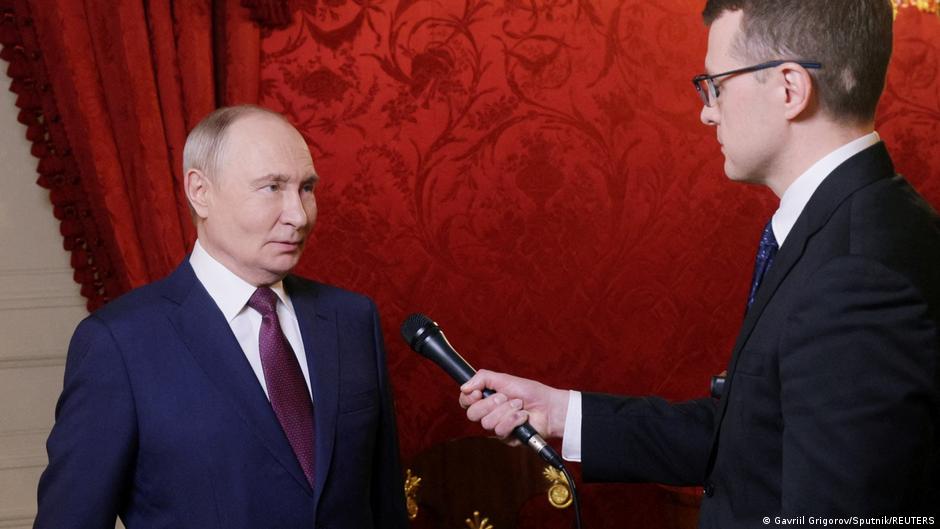
Berlin has blamed Russia for the Leipzig incident. In response, the German government decided to close the Russian consulate general in Bonn and terminate the agreement governing the operation of the Russian House in Berlin. Germany also said it would tighten checks on Russian citizens entering the country and strengthen measures against Russia’s “shadow fleet,” which Moscow uses to circumvent EU sanctions linked to Russia’s war against Ukraine.
Those decisions show that the fallout is extending into diplomatic and economic policy. The link to the shadow fleet is particularly relevant for business readers because it connects a security incident at an airport to the broader sanctions architecture shaping European trade, energy flows and compliance risk. Companies exposed to shipping, insurance, trade finance and customs controls may see the practical effects in enhanced due diligence and more aggressive enforcement expectations.
Moscow has rejected the accusations of organizing sabotage in Leipzig. In response to the closure of the Russian House in Berlin, Russian authorities said they would close the Goethe-Institut branches in Moscow, St. Petersburg and Novosibirsk.
That reciprocal move reinforces a pattern familiar to multinational companies and investors: incidents that begin as security investigations can quickly evolve into a wider cycle of diplomatic retaliation, regulatory tightening and institutional disruption. In strategic terms, the Leipzig case is becoming not only a test of criminal investigation and state cooperation, but also a measure of how Europe hardens key transport and governance systems while maintaining commercial continuity.
For executives watching the case, the main lesson is less about one airport than about the convergence of infrastructure security, geopolitical risk and public policy. Latvia’s confirmation that the suspect had been living in Russia adds another data point to an investigation still short on official detail. But even at this stage, the trajectory is clear: Europe is treating the incident not as an isolated breach, but as part of a wider challenge that reaches into logistics strategy, border management and the competitive environment for companies operating across the region.