US Removes Syria from State Sponsors of Terrorism List, Signaling Strategic Shift
Washington lifts sanctions on Syria and HTS amid evolving regional dynamics and economic reintegration efforts.
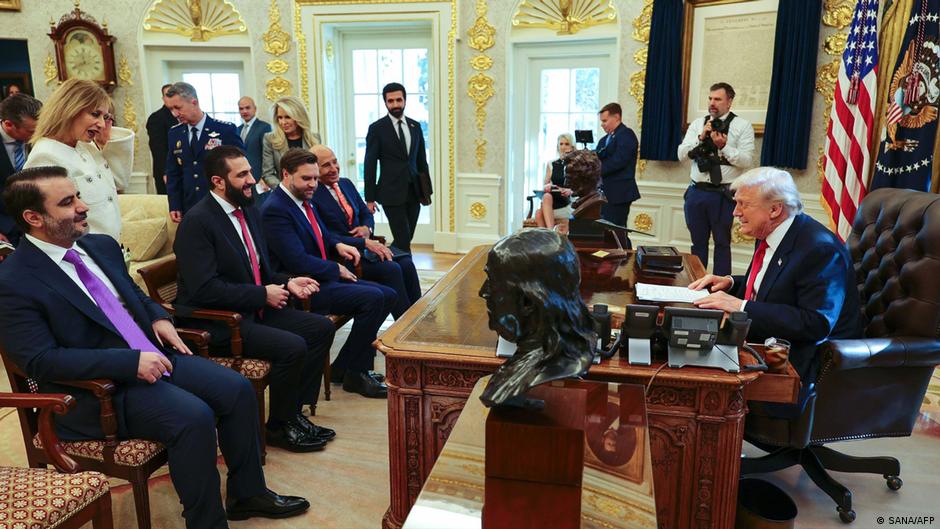
The United States government has officially removed Syria from its list of state sponsors of terrorism after nearly five decades, marking a significant shift in US foreign policy towards Damascus. This decision coincides with the lifting of sanctions against the group Hayat Tahrir al-Sham (HTS), which assumed control in Syria following the ousting of the Assad regime.
Strategic Implications and Economic Opportunities
The US Treasury Department stated that these actions align with President Donald Trump's promise to offer the Syrian people a chance at renewed prosperity. Scott Bessent, head of the Treasury, emphasized that the measures aim to attract increased investment to Syria, fostering political and economic stability in the region.
"The steps taken today will help draw additional investments into Syria to strengthen political and economic stability," said Scott Bessent.
This policy shift follows the fall of the Assad family’s five-decade rule in late 2024 and the rise to power of HTS and its interim president, Ahmed al-Sharaa. Since then, the new Syrian leadership has made diplomatic advances with several Western countries, including Germany and the Trump administration. In June 2025, most US sanctions against Syria were already lifted, underscoring this trend toward normalization.
Syrian Government Response and Regional Context
Syrian Foreign Minister Assad al-Shaibani called the US removal of Syria from the terrorism sponsorship list a "major milestone," pledging to work on overcoming the legacy of isolation through transparency and mutual respect. Meanwhile, acting Syrian Finance Minister Mohammed Barniya hailed the move as a "historic success for Syrian diplomacy," highlighting the prospects for deeper integration into the global economy, technology transfer, and enhanced development opportunities.
Tom Barrack, the US Special Envoy for Syria, described the delisting as a "decisive step toward moving Syria from isolation to partnership and from a source of terrorism to an active global counterterrorism partner."
Despite improving Western ties, Syria’s relationship with neighboring Israel remains fraught. On August 23, negotiations began in Jordan to reduce tensions between the two countries. This followed Israeli airstrikes five days earlier targeting a northwest Syrian airbase allegedly intended for Turkish military deployment. The transitional Syrian government condemned these strikes as "unjustified aggression," which also drew criticism from the Trump administration.
Complex Regional Power Dynamics
Israel’s right-wing coalition faces multiple contentious issues with Syria’s new regime. One primary concern is preventing increased Turkish military presence in Syrian territory. Turkey, which backs Syria’s transitional government, has been vocally critical of Israel’s policies toward Palestinian territories. In August, Turkey’s justice minister announced intentions to seek an international arrest warrant for Israeli Prime Minister Benjamin Netanyahu, who is already subject to an ICC warrant.
Meanwhile, Israel continues to control most of the Golan Heights, internationally recognized as occupied Syrian territory by both the UN and EU. The political turmoil following Assad’s ouster allowed Israel to expand its holdings in the Golan, with Netanyahu ordering increased settler and military deployment in the region, declaring that the Golan Heights "will always be part of Israel."
This unfolding geopolitical situation underscores a complex interplay of diplomacy, economic interests, and security challenges in the Levant. For corporations and investors, the US delisting could open new avenues for engagement in Syria’s reconstruction and economic revival, though regional instability and unresolved territorial disputes remain significant risks.