US Supreme Court Allows Trump to Proceed with White House Ballroom Construction
The Supreme Court temporarily blocks lower courts’ orders halting President Trump’s extensive White House renovation plans.
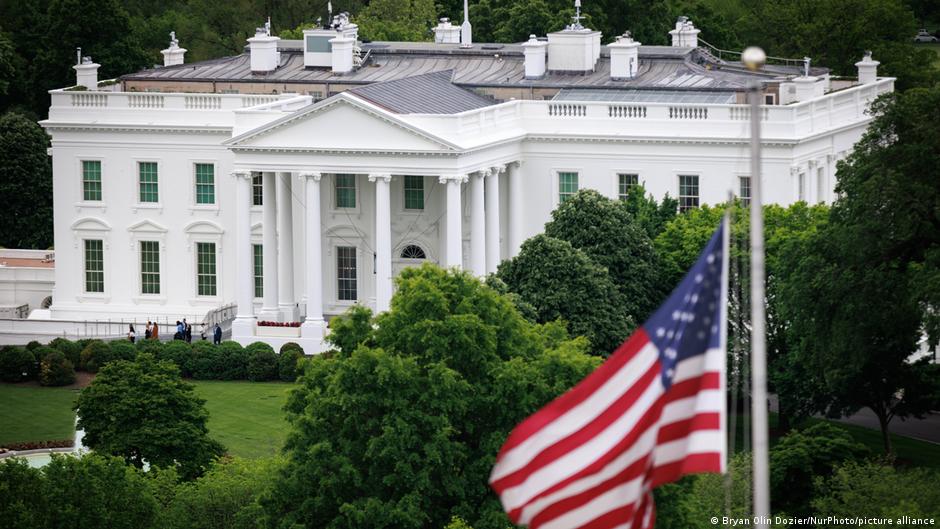
The US Supreme Court has granted President Donald Trump the right to continue with his ambitious renovation project of the White House, which includes the construction of a new ballroom and a military bunker. On Friday, August 21, Chief Justice John Roberts issued a temporary stay on the rulings from lower courts that demanded a halt to the construction.
Legal Battles Over Presidential Authority and Historic Preservation
The Washington-based US Court of Appeals had previously barred Trump from proceeding with the large-scale reconstruction, arguing that the current administration does not possess "unlimited authority" to redesign and rebuild the White House to suit the personal preferences of the president. This ruling was challenged by the Trump administration, which emphasized the strategic and security importance of the project.
"The complex, consisting of a ballroom and a military bunker, will be the greatest structure of its kind," stated President Trump, underscoring its significance for national security.
Last year, without Congressional approval, Trump ordered the demolition of the historic East Wing of the White House to make way for the ballroom and bunker. This unilateral move has sparked controversy, raising concerns about preserving national heritage versus the executive branch's prerogatives.
These construction efforts are part of President Trump's broader vision to reshape Washington, D.C., by the end of his potential second term in January 2029. Among the plans is a reconstruction of the Reflecting Pool to accommodate a 76-meter triumphal arch, projected to be nearly three times taller than Berlin’s iconic Brandenburg Gate.
These projects exemplify a strategic approach to redefine the capital's landscape, potentially signaling a shift in how presidential legacy and urban symbolism intersect.
From a corporate strategy and management standpoint, the administration’s assertiveness reflects a willingness to leverage executive power to drive large-scale infrastructure initiatives despite institutional resistance. The legal tussles highlight the complex competitive landscape between branches of government over control of historic federal assets.