Armenia’s Parliamentary Elections Confirm Prime Minister Pashinyan’s Party Dominance Amid Shifting Geopolitics
The ruling Civil Contract party secures a parliamentary majority in Armenia, reinforcing Pashinyan’s pro-European strategy despite opposition and Russian pushback.
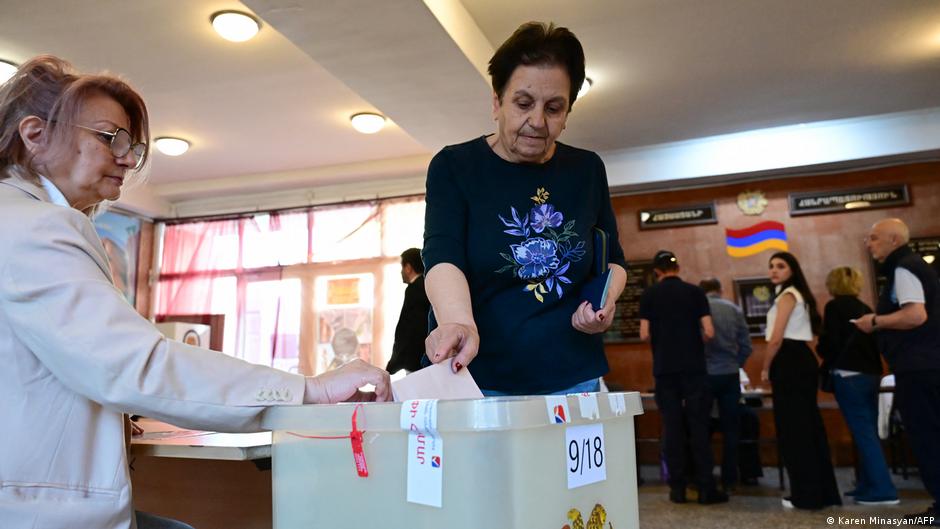
On June 7, Armenia conducted pivotal parliamentary elections poised to shape the nation's domestic governance and foreign policy orientation for the coming years. Preliminary results from the Central Electoral Commission, processed after counting 55.95% of ballots, show Prime Minister Nikol Pashinyan’s ruling party, Civil Contract, leading with 50.86% of the vote.
The election outcome gives Civil Contract a clear mandate to form a single-party government, consolidating Pashinyan’s position after years of political turbulence and signaling continuity in his administration’s strategic direction.
Election Results and Political Landscape
The opposition camp remains fragmented but significant. The Strong Armenia alliance, led by Russian-Armenian businessman Samvel Karapetyan, secured 23.19% of the vote, while the Armenia bloc, headed by former president Robert Kocharyan, received 9.6%. The Prosperous Armenia party, representing businessman Gagik Tsarukyan, gained 4.1%, and the Wings of Unity party, led by former ombudsman Arman Tatoyan, garnered 2.3%.
With a voter turnout at 58.97%, higher than in the previous two election cycles (2018 and 2021), the results reflect an engaged electorate amid a tense geopolitical environment. The Armenian National Assembly, currently consisting of 105 seats, grants four mandates to national minority representatives, including Yezidis, Russians, Kurds, and Assyrians.
"The Civil Contract party will form the government independently," declared Prime Minister Pashinyan shortly after preliminary results were announced, signaling confidence in his political dominance.
However, this early claim of victory sparked criticism from opposition parties. The Armenia bloc termed Pashinyan’s statement a "step toward power usurpation" and an "unwarranted interference" with the Central Electoral Commission’s work. Arman Tatoyan of Wings of Unity labeled the declaration unconstitutional and beyond the prime minister’s authority.
Strategic Implications and Foreign Policy Trajectory
These elections carry significant strategic weight amid Armenia’s geopolitical crossroads. Since 2025, Pashinyan’s government has legislatively committed to closer integration with the European Union, a policy direction that risks estrangement from Russia, Armenia’s traditional security partner and dominant regional influence.
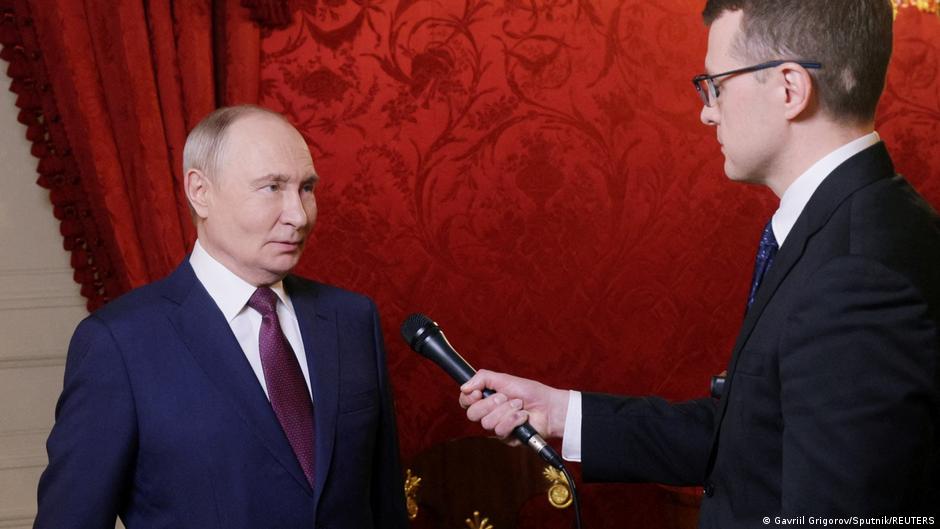
While Pashinyan emphasizes that Armenia does not seek a rupture with Moscow, the opposition coalesces around maintaining and strengthening ties to Russia. Moscow, sensitive to Armenia’s shift toward Brussels, has expressed discontent. Russian President Vladimir Putin likened Armenia’s evolving situation to the prelude of Ukraine’s crisis.
In the run-up to the elections, Russia imposed import restrictions on key Armenian products, including alcohol, agricultural goods, flowers, and fish, measures viewed as economic pressure to influence domestic political outcomes.
The election results ensure that Armenia’s foreign policy will remain oriented toward gradual EU integration, despite Russian attempts to counterbalance this shift. This positioning presents complex challenges for Armenia’s business environment and broader regional alignment, influencing foreign investment calculations, trade policies, and security cooperation.
Electoral System and Governance Stability
The proportional voting system used included 18 political parties, with no minimum turnout threshold required. The electoral code mandates a 4% threshold for parties to enter parliament, 8% for three-party blocs, and 10% for larger coalitions. Importantly, the system is designed to secure a stable parliamentary majority of 54%, either through election results or coalition formation. Should a stable majority remain elusive, a runoff election will be conducted.
Electronic voting was organized for Armenian diplomats abroad, as foreign polling stations are not legislated, ensuring voter participation from the diaspora employed in diplomatic service.
The election result, affirming Civil Contract’s dominance, promises continuity in policy and governance while underscoring the political risks and strategic balancing that define Armenia’s business and geopolitical landscape.