Former Polish Justice Minister Flees Hungary for US Amid Extradition Concerns
Zbigniew Ziobro's move to the US highlights shifting political alliances and challenges in Central European judicial cooperation.
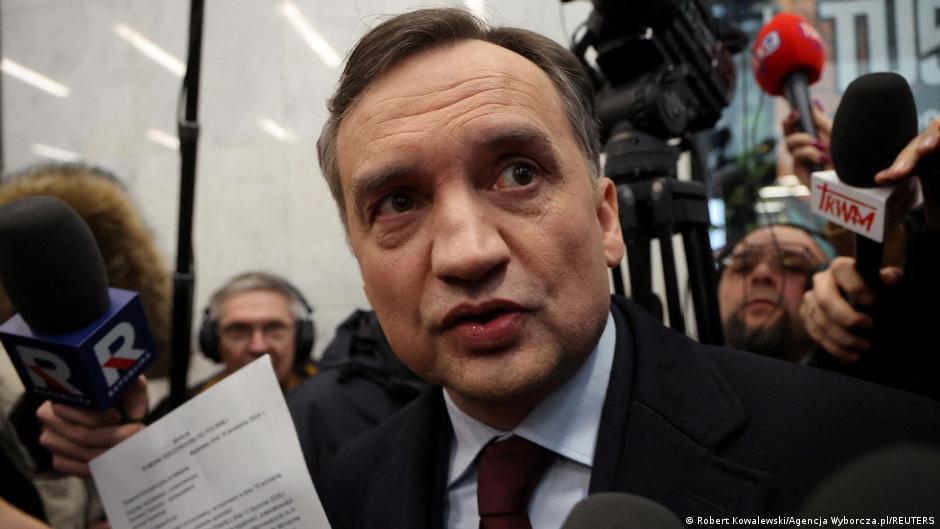
The recent relocation of former Polish Justice Minister Zbigniew Ziobro from Hungary to the United States adds a complex layer to the evolving political and legal landscape in Central Europe. Ziobro, who had sought refuge in Hungary under former Prime Minister Viktor Orban's administration, is now reportedly residing in the US, amid ongoing extradition requests from Poland.
Shifting Political Dynamics and Strategic Implications
With Hungary’s new Prime Minister Peter Marki-Zay pledging to cooperate with Poland on the extradition of officials who had taken refuge during Orban’s tenure, Ziobro's departure signals both a challenge and a potential recalibration in regional political alliances. The Polish government accuses Ziobro of multiple criminal offenses, including corruption, embezzlement, and abuse of power related to misappropriated funds and the controversial purchase of Israeli Pegasus spyware allegedly used to surveil political opponents.
"If they want to initiate extradition proceedings — please," Ziobro told a Polish conservative broadcaster, underscoring the complexity of the US legal system in such matters.
Poland’s justice minister, Waldemar Zurek, has expressed intentions to seek clarifications from both the US and Hungary regarding Ziobro’s border crossings without valid documents, highlighting concerns over the issuance of Geneva passports facilitating transit. Meanwhile, the US visa granting process—which reportedly involved a work visa for Ziobro’s role as a political commentator with the right-wing Polish channel Republika—reflects the interplay of political affiliations, notably the ties between Poland’s ruling Law and Justice party (PiS) and the pro-Trump MAGA movement.
This development unfolds against the backdrop of Hungary’s previous sheltering of European politicians facing legal challenges at home, a policy heavily criticized and now subject to reversal following the parliamentary victory of Marki-Zay’s opposition party Tisa. The new government’s commitment to cease harboring such individuals and to address prior asylum grants marks a strategic shift that will impact diplomatic relations and judicial cooperation across the region.
Corporate Governance and Political Risk Considerations
From a corporate strategy and governance perspective, the case illustrates the increasing politicization of judicial processes and its ripple effects on business environments in Central Europe. The controversies surrounding Pegasus spyware procurement and misuse highlight risks associated with state contracting and technology acquisitions in politically charged contexts.
Moreover, the transnational flight of high-profile political figures like Ziobro underscores vulnerabilities in cross-border law enforcement collaboration, which can impact multinational investments and compliance strategies within jurisdictions where legal and political institutions face significant pressures.
Companies operating within or alongside Eastern European markets must navigate an environment where political transitions can swiftly alter legal landscapes and enforcement priorities. The evolving Hungarian-Polish-US triangulation over Ziobro’s status exemplifies the need for robust risk assessment frameworks addressing regulatory unpredictability and geopolitical influences.
Going forward, businesses and investors should monitor the implications of Hungary’s policy shifts on asylum and extradition, as well as the broader ramifications for regional stability and legal certainty. The intersection of domestic political realignments and international relations will define the competitive landscape and influence strategic decision-making for stakeholders engaged in the region.